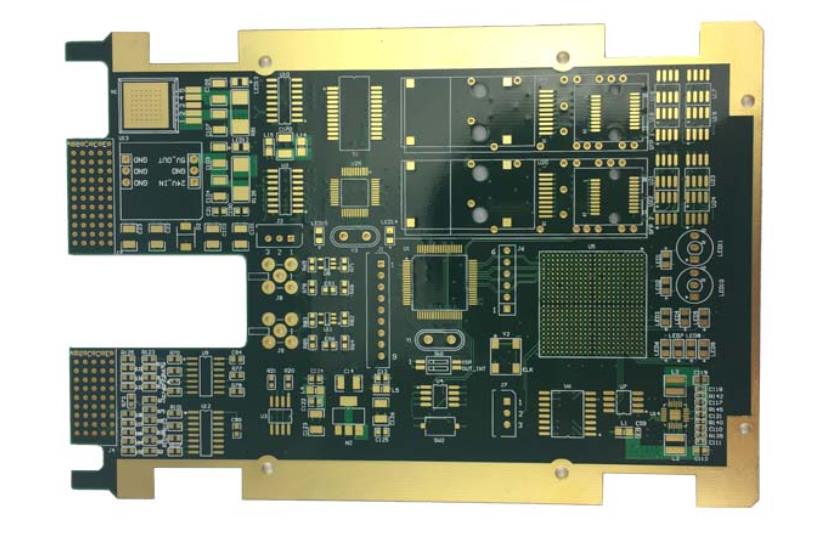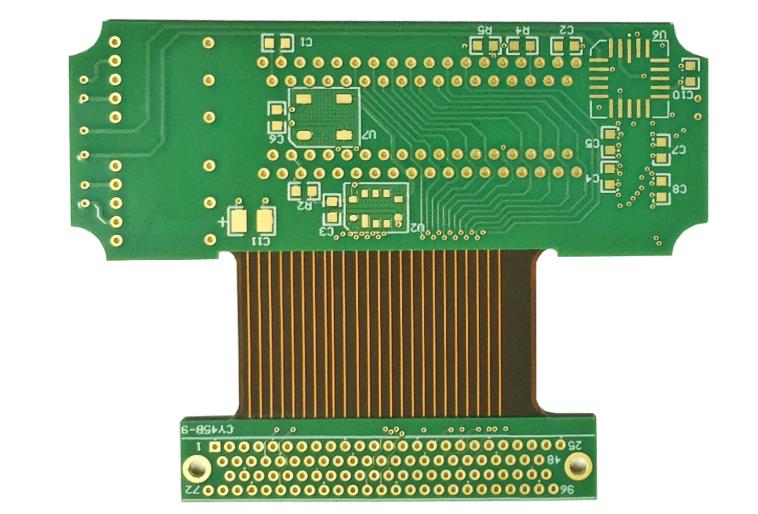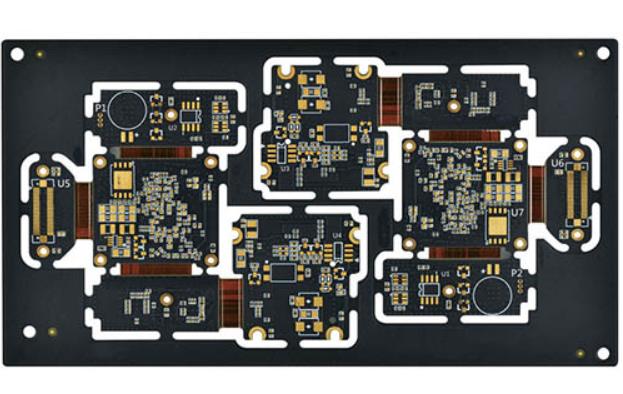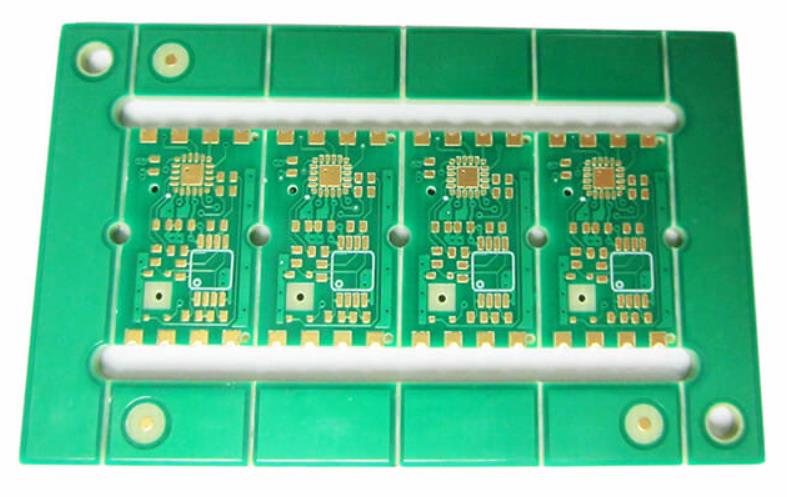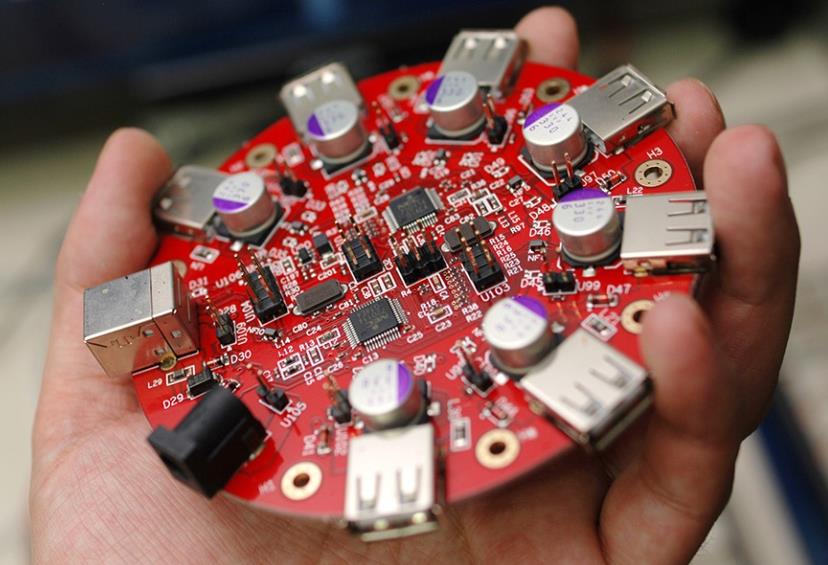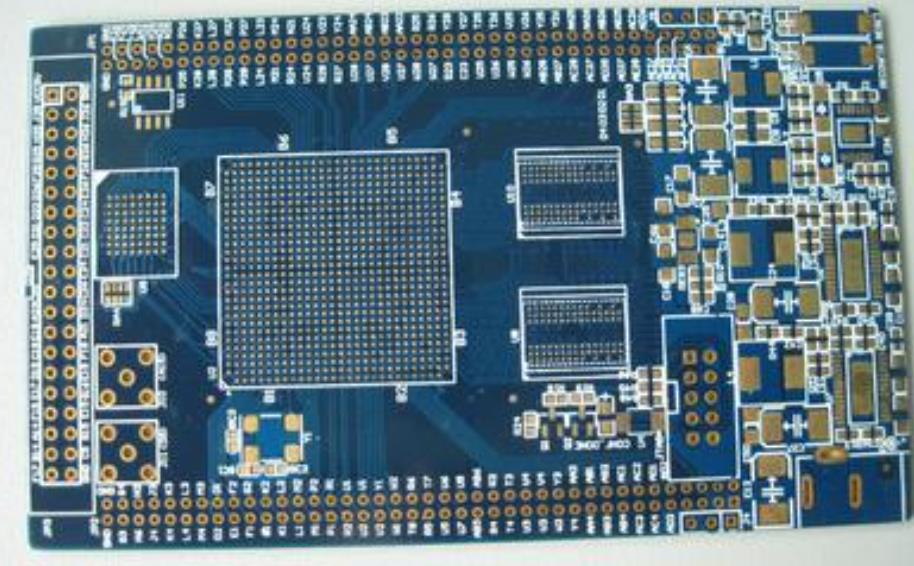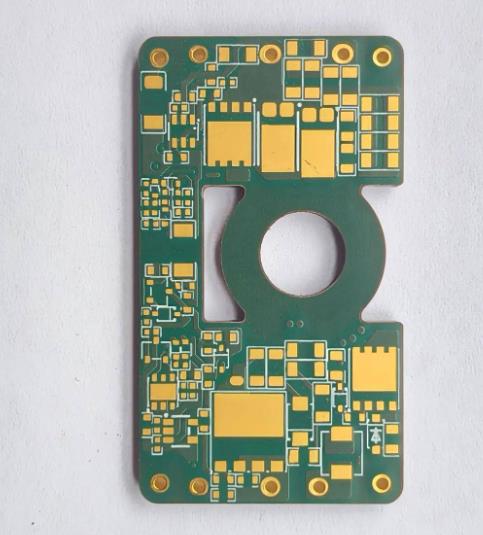
Why Customers Choose One Stop PCBA Service What Does One Stop PCBA Service Include? A question comes up again and again in customer conversations: can your factory really provide a one stop PCBA service? In the past, many electronics companies followed a familiar path. They bought bare printed circuit boards…
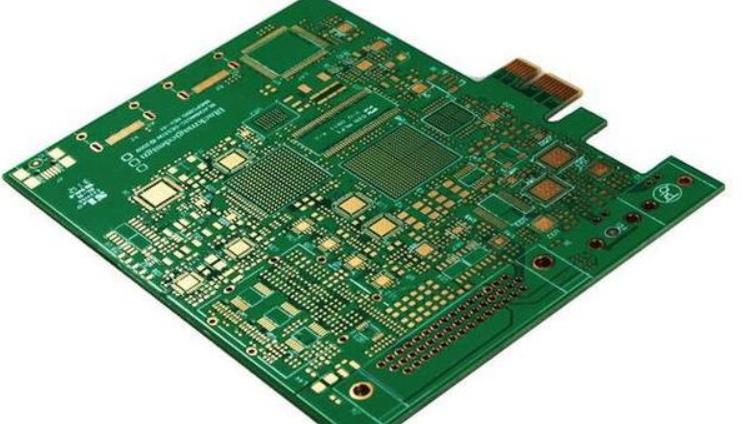
SMT Adhesive Dispensing Guide: Requirements, Process Control and Defects What Is SMT Adhesive and Why Is It Dispensed? In surface mount assembly, SMT adhesive, also called surface mount adhesive, SMD glue, or chip bonding adhesive, is a paste that holds lightweight surface mount components in place while a board is…
SMT Reflow Soldering Process: A Complete Temperature Curve Guide Why the Reflow Soldering Process Needs Controlled Conditions Improving the pass rate of PCB products takes more than removing visible defects. Boards can also leave the line with hidden problems: virtual welding, where the alloy never fully wets the pad; weak…
Machine Vision System for SMT Assembly: A Practical Guide Why Machine Vision Matters in SMT Assembly Two factors above all decide how accurately a surface mount line places components. The first is the structure of the placement machine itself. The second, equally decisive factor is the machine vision system that…
SMT Placement Machine Types: How to Select the Right Mounter Four Families of Placement Machines With the rapid development of surface mount technology, SMT is now widely used across the electronics assembly industry, and the range of placement machines on the market has grown with it. Faced with all the…
SMT Placement Accuracy Guide: Computer Control Systems for Pick and Place Machines Why Accuracy Starts with the Control System SMT placement accuracy starts with the computer system that commands the machine. A placement machine usually adopts a two-level computer control architecture. The sub-level is composed of a dedicated industrial control…
SMT Placement Machine Sensors: Complete Guide to Pick and Place Sensing Why Sensors Define a Modern Placement Machine An SMT placement machine is only as trustworthy as the sensors inside it. Every cycle, the machine moves its placement head across the board at high speed, picks components from feeders, and…
Conformal Coating Inspection: UV AOI Guide for SMT PCBs Why Conformal Coating Needs Inspection Conformal coating is applied to printed circuit boards in many applications to protect them from physical impact, moisture, dust, and corrosion in harsh environments, where an unprotected board can fail after only months of service. In…
Industrial PCB Assembly Guide: Standards, Materials and Reliability What Is an Industrial PCB Assembly? An industrial PCB assembly is a printed circuit board that has been designed and built for equipment used in factories, energy systems, process control, instrumentation, and robotics. In short, any PCB that serves the industrial field…
From Bare PCB to PCBA: The Complete Process Guide What Does “Bare PCB to PCBA” Mean? A bare PCB is a printed circuit board that has been manufactured with its copper traces, pads, solder mask, and silkscreen but carries no electronic components. It is the empty foundation of every electronic…