Why Customers Choose One Stop PCBA Service
What Does One Stop PCBA Service Include?
A question comes up again and again in customer conversations: can your factory really provide a one stop PCBA service? In the past, many electronics companies followed a familiar path. They bought bare printed circuit boards from one vendor, purchased components separately from distributors, and only after every part had arrived did they look for an SMT processing supplier to put the product together. Today, more of those customers want a different arrangement: hand the complete job to one provider and receive finished, tested boards at the end of the chain. This article explains what has driven that change and why the one stop PCBA service model has become the first choice for so many projects.
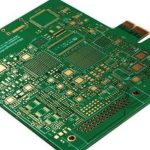
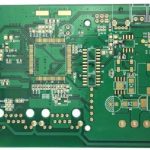
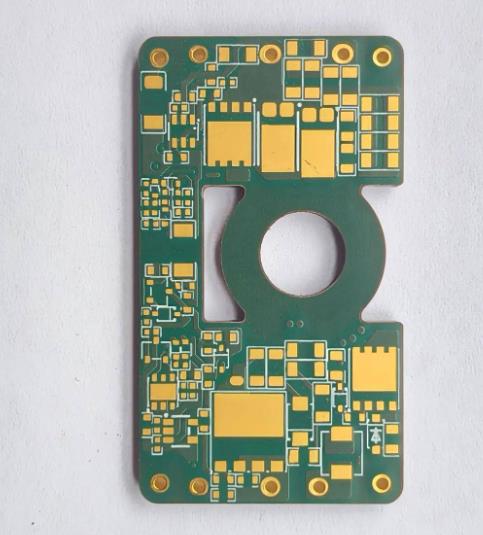
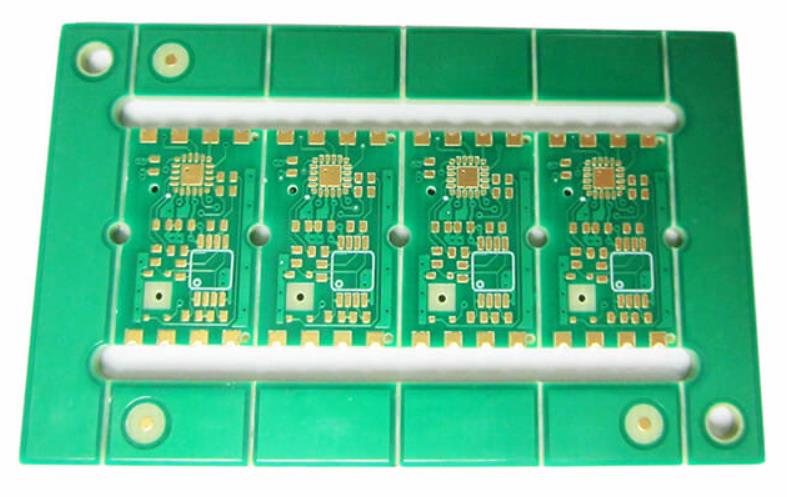
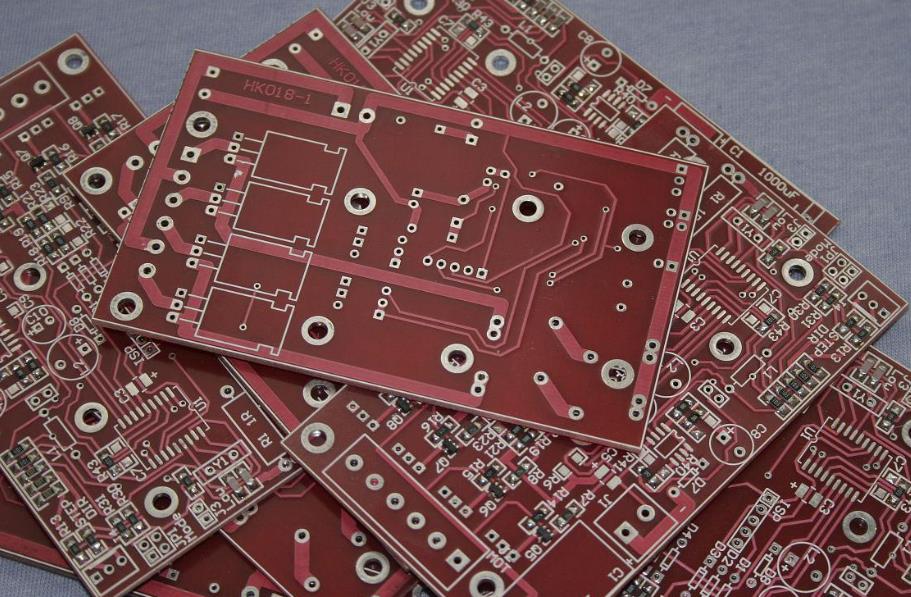
A one stop PCBA service normally covers the whole production chain under a single contract: design for manufacturability review, bill of materials checking, component sourcing, bare board fabrication, SMT placement, through-hole and mixed technology assembly, cleaning, testing, and final packaging. Depending on the product, the package can also include conformal coating and box build, and it can be shaped as a full turnkey PCBA assembly arrangement. Instead of coordinating five or six suppliers and hoping that every handoff runs smoothly, the customer agrees on one specification, one schedule, and one price, while the boards move through a professionally managed SMT PCB assembly process without the customer having to run a production line of its own.
Reason 1: Transparent Pricing Does Not Make Self-Buying Cheaper
First, the spare parts sales network is fully online today, and pricing has become largely transparent. Almost any model on the data network can be checked for its cost, the manufacturer that produces it, and whether stock is available. Yet transparency does not mean that buying components yourself is free. Someone in your company still has to contact suppliers, verify whether the parts are genuine, confirm shipping dates, chase delayed deliveries, and manage incoming inspection. When all of that labor is added to the purchase price, the final cost of self-buying is usually close to what a distributor would charge, so the company ends up spending more money to do the same job that a PCBA manufacturer already performs as routine work.
Many employers feel exactly the same way. They watch the purchasing workload keep growing, with quotations to compare, minimum order quantities to check, and lead times to reconcile, while the headcount budget stays flat. A factory that offers one stop PCBA service absorbs this work into its own purchasing department, because buying parts is its core business rather than an occasional task. This is why PCBA component sourcing belongs inside the assembly contract instead of in the customer’s purchasing office: for the buyer, the practical answer is to hand the whole task to the factory’s in-house components procurement team, which already knows the distributors, the market prices, and the real lead times.
Reason 2: One Budget, Lower Labor Cost and Less Uncertainty
Second, labor costs are rising, and companies have to reduce expenses while facing an uncertain market. When orders are not increasing, most firms cannot justify adding staff, yet managing several suppliers quietly consumes engineering and purchasing hours. Every extra vendor means another quotation to review, another quality audit to arrange, another set of shipping documents to process, and another relationship to maintain. If the same job can be completed inside an acceptable cost range without that overhead, there is no reason to spend more on in-house labor for it, and the freed-up team can concentrate on the products instead of the supply chain.
A one stop PCBA service quotation covers the entire budget in one number: boards, components, assembly, testing, and logistics are agreed before production starts. The price is controllable, no surprise line items arrive from other vendors, and the customer knows the total cost from the first day. That predictability matters even more when order volumes are uncertain. Instead of tying up cash in inventory that may never be used, the customer can place smaller, more frequent orders with one manufacturer and adjust quantities as demand changes. For most products the result is a genuine PCBA cost reduction, because the buyer pays for boards, parts, and assembly exactly once, with no hidden coordination overhead.
Reason 3: Factory Engineers Know More Than Resellers
Third, professional work deserves a professional team. A general solution company or trading office has no production floor behind it, so it cannot really track the price trends of PCBs, components, and SMT processes. A PCBA manufacturer, by contrast, crosses those back-end processes every day. Its engineers know which board material suits which industry, which surface finish protects which kind of solder joint, and which process parameters keep a dense design reliable. When a customer needs a board for an industrial controller or a high frequency module, they can recommend the laminate, stack-up, and finish during the PCB manufacturing planning stage instead of inheriting a specification from a catalog.
This knowledge sits at the engineers’ fingertips because they work on real products every day. When a fine pitch BGA package needs a matched solder paste and reflow profile, the process team proposes them before the first board is printed. When a prototype must grow into a volume product, the layout is adjusted for manufacturability while it is still cheap to change. A trading company can only repeat the specification back to the customer; a factory can improve it. That difference shows up directly in yield, delivery time, and field reliability, and it is hard for any non-manufacturing supplier to imitate.
Volume Buying Power Lowers Price and Protects Quality
The most important point, however, is volume. PCBA manufacturers serve many customers and therefore have a large and continuous demand for components. Their purchasing teams deal with terminal channel suppliers almost every day, and the more contacts a factory has with those channels, the better the goods it obtains, the lower the price, and the more stable the supply. End channel suppliers are not willing to lose a large customer, so they treat a busy factory differently from an occasional small buyer: priority allocation during shortages, faster replacement of defective batches, and more accurate stock information.
A single company buying from one distributor may not even reach the starting quota of other suppliers, and it always pays the small lot price. When many customer orders are combined, the factory reaches volume pricing that none of its customers could achieve alone, and the saving flows back into the quoted unit price. This is why the buying power argument sits at the center of the turnkey decision: the customer is not paying a premium for convenience, it is sharing in purchasing economies that only exist at factory scale, and it receives genuine components with documented traceability as part of the deal.
From Many Handoffs to a Single Accountable Partner
Beyond the three reasons above, there is a practical argument about time and risk. In the multi supplier model, the PCB house, the component distributor, and the assembly plant each work from their own documents, and every handoff is a chance for misunderstanding. When boards arrive late, or parts do not match the bill of materials, or solder defects appear, the suppliers point at one another and the customer is left to arbitrate. With one stop PCBA service there is a single project owner: the same engineering team checks the files at the beginning, sources the components, runs the line, and verifies the result, so problems are found inside one factory rather than between several companies.
Communication improves for the same reason. The customer speaks to one project engineer instead of a chain of sales representatives, schedules are controlled end to end, and every batch finishes with a documented PCBA testing step that covers the features the product actually relies on. Quality records also stay together: each board can be traced from its bare board lot and component batch through the placement machine settings to the final test results. That complete traceability is difficult to assemble when three independent suppliers each keep their own paperwork.
For customers with an established supplier base, switching does not happen overnight, but many start with one product line or a single prototype to evaluate the experience. They send the files and bill of materials for one board, watch how the design review and sample run go, and expand the relationship once the process records confirm the quality. This low risk entry path is one more reason the model keeps growing, because a one stop PCBA service contract can begin small and scale with the product.
What to Look For in a One Stop PCBA Service Provider
When customers ask for one stop PCBA service, not every supplier that uses the phrase really owns the whole chain. A short checklist helps: confirm that the provider controls bare board fabrication and assembly in its own facilities, or manages long term partner factories with clear accountability; ask how components are sourced and whether the team can handle hard to find and long lead time parts; request a design for manufacturability report before the quotation; and check the testing coverage, from automated optical inspection to ICT and functional test, against the requirements of your product. For regulated industries, quality management documentation and certificates should be reviewed before any order is placed.
A reliable indicator is the way the supplier behaves at the quotation stage. A factory with real production depth will ask about the operating environment, the expected volumes, and the critical components before pricing. It will point out risks in the design instead of accepting every file silently, and it will offer realistic lead times based on its own lines. These behaviors matter more than a long list of capabilities on a website, because they show whether the supplier will act as an engineering partner once the order moves into production.
How gopcb Runs Its One Stop PCBA Service
gopcb follows exactly this model for every order that comes in. The engineering team first reviews the Gerber files and bill of materials, returns a design for manufacturability report with any corrections, and only then quotes the complete package: bare boards, sourced components, assembly, and testing are priced as one project with one schedule. Prototype and small series orders share the same process as high volume runs, so the early samples already reflect the production line that will build the final quantity, and every shipment is accompanied by the inspection and test records.
Choosing one stop PCBA service gives your project a single owner from the first file review to the last tested board. If your product is still split between separate PCB, component, and assembly suppliers, send the Gerber files and bill of materials to gopcb for a free manufacturability review and see what a complete turnkey PCB assembly quotation looks like. The engineering team will show you exactly where the cost savings, shorter lead times, and quality guarantees come from before you commit to anything.