RoHS Compliance for PCB Design

RoHS Compliance for PCB Design: Requirements, Materials, and Compliance Checklist

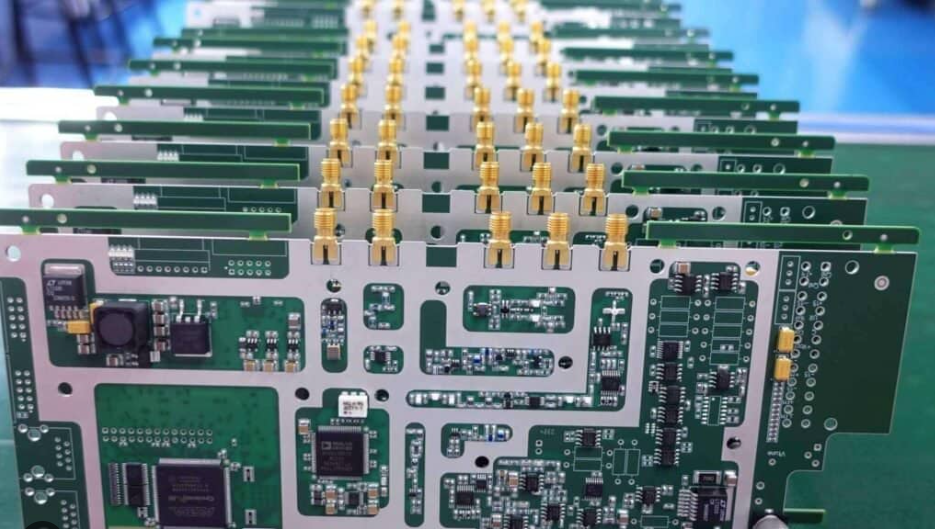
As electronic products become increasingly sophisticated, RoHS compliance has become an essential consideration in modern PCB design and PCB manufacturing. From consumer electronics and industrial equipment to automotive, medical, telecommunications, and other high-reliability applications, manufacturers must increasingly consider environmental regulations and material safety throughout the product development process. RoHS stands…
Automotive PCB Assembly

Automotive PCB Assembly: Key Challenges, Solutions, and Manufacturing Considerations

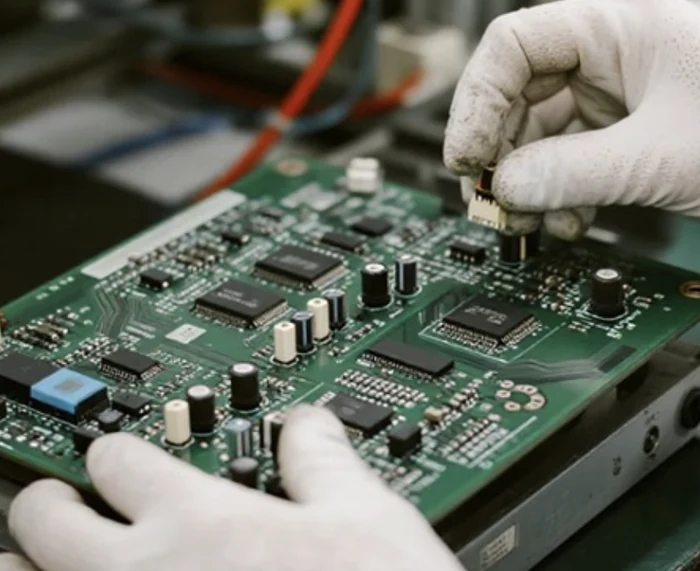
The rapid development of automotive electronics is transforming modern vehicles into highly connected and intelligent electronic platforms. From Engine Control Units (ECUs) and Battery Management Systems (BMS) to Advanced Driver-Assistance Systems (ADAS), infotainment, vehicle networking, sensors, and electric powertrain systems, automotive PCBs play a critical role in controlling and connecting…
HDI PCB Design Guide

HDI PCB Design Guide: High-Density Routing, Microvias, Thermal Management and Manufacturing

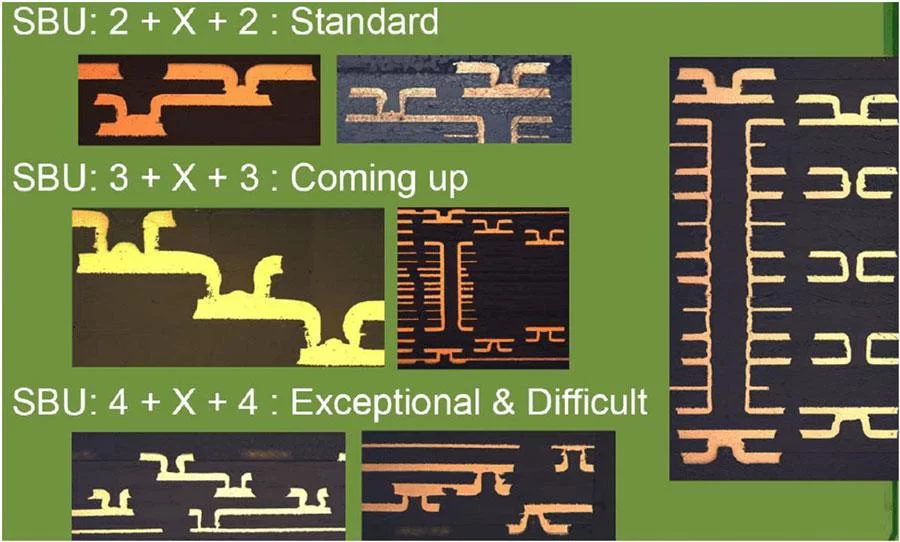
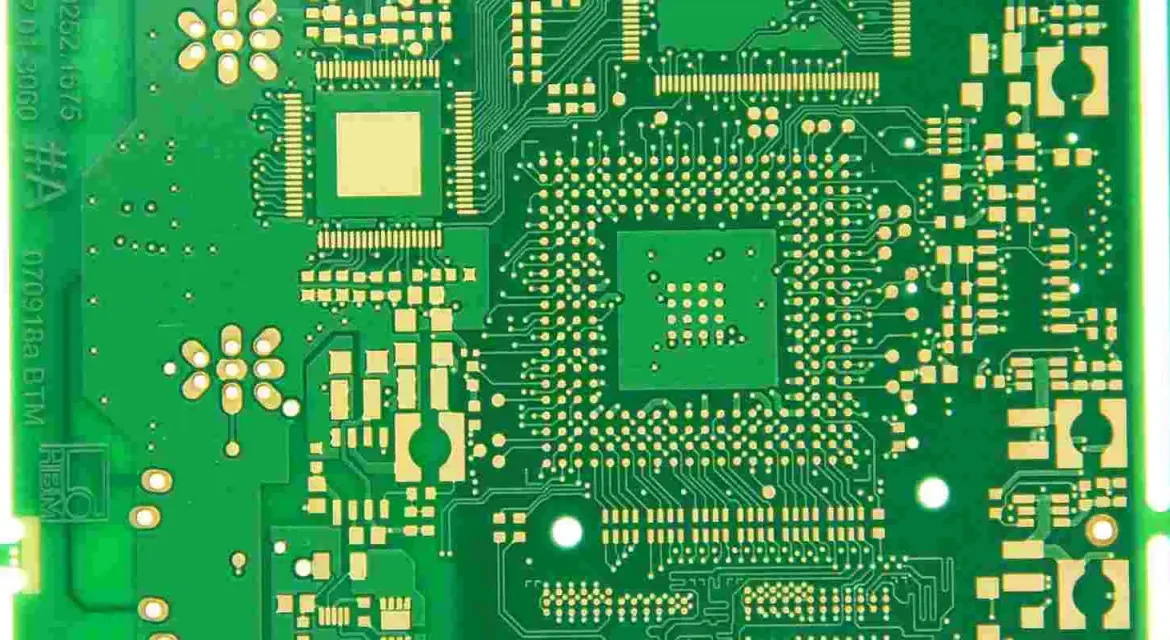
Electronic devices continue to become more powerful and compact, and this increasing complexity is particularly apparent to PCB designers during the routing stage. Modern processors, SoCs, FPGAs, BGAs, memory devices, and high-speed interfaces have increasingly dense pin layouts. As a result, designers must maximize available routing channels while maintaining the…
Low Volume PCB Assembly

Low Volume PCB Assembly: From Prototype to Production

Low volume PCB assembly provides an important bridge between prototype development and full-scale manufacturing. It allows electronics companies to produce a controlled number of functional PCB assemblies while validating manufacturing processes, component sourcing, testing procedures, and product reliability. Unlike a one-off prototype, a low volume PCB assembly build is designed…