Automatic Optical Recognition: Vision Checks in SMT Assembly
Electronics manufacturing has become a discipline of small details. Solder paste volumes, placement accuracy, temperature profiles and inspection limits all add up to the final result. This guide looks at automatic optical recognition from the perspective of a PCBA factory floor, covering the vision checks that confirm components are placed correctly and the checks that turn a capable line into a predictable one.
What AOR Does on the Line
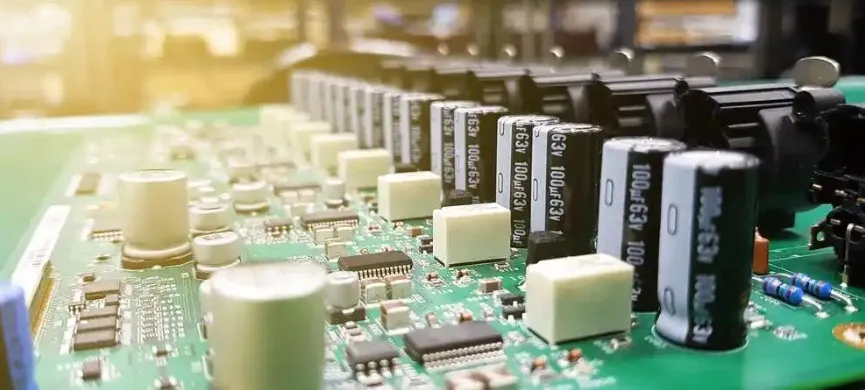
Automatic optical recognition, or AOR, uses cameras and image processing to verify that components are present, correctly oriented and of the right type. The checks run inside the placement process, where the machine recognizes the part it picked, and again after placement, where board level cameras catch shifts, missing parts and polarity errors before reflow. AOR is the vision layer that turns a fast placement machine into an accurate one.
Where Vision Checks Fit
Vision appears at several points in a modern line. Fiducial cameras align the board, component cameras check every part at pickup and placement, and post-placement recognition verifies the result while the board is still easy to correct. The same technology feeds automated optical inspection after reflow, where solder joints are examined under controlled lighting. Each stage uses the data from the previous one, so errors are caught at the earliest possible moment.
Why Recognition Quality Drives Yield
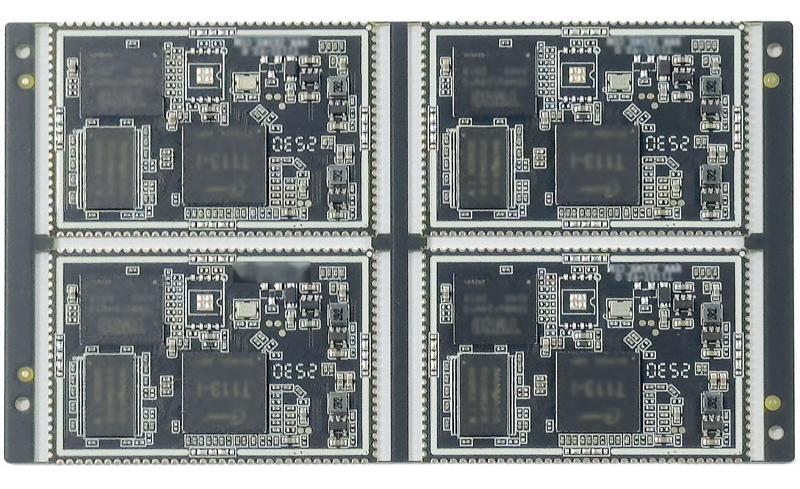
A vision system that rejects good boards slows the line and erodes operator trust, while one that misses defects ships problems to customers. Recognition quality depends on lighting, camera resolution, the algorithms and the teaching of each product program, and it must be maintained as boards change. Factories that monitor false reject rates and missed defect rates keep their vision systems honest, and they can show the results in their quality reports.
Assembly Steps in Practice
The result depends on the whole chain, not on any single machine. The board design fixes pad sizes and spacing, the printer controls the solder volume, the placement machine positions every component and the reflow oven forms the joints. Each step feeds the next one, which is why SMT PCB assembly should be reviewed as one complete process instead of a collection of separate operations.
Quality Checks That Keep Defects Away
First article inspection plays a special role at the start of every order. The first board is checked against the design in detail: component values, orientation, polarity and solder quality are verified before the line continues, which prevents an entire batch from inheriting a setup error. After the run, every board passes automated optical inspection, and samples move on to electrical test so the solder joints and the circuit are both proven before packing; this combination is the core of a practical PCBA testing plan.
Traceability turns good intentions into proof. The factory records which program ran, which reels of paste and components were used, which operator handled the job and what the inspection found. When a field return arrives six months later, that record is the fastest way to find the cause, and it is the clearest evidence that a documented quality management system is working.
Where These Boards Are Used
Application experience also matters for manufacturability. A factory that has built similar products for automotive electronics, medical devices, communications, IoT and consumer PCBA already knows the typical failure modes, the component pitfalls and the customer questions. That knowledge shortens the DFM review, avoids repeated trial batches and makes the transition from prototype to volume production much smoother for the buyer.
Build In-House or Outsource?
A dedicated line only pays for itself when it runs constantly, and keeping process data, calibration records and quality documentation current takes engineering time that is easy to underestimate. Most product companies therefore choose a partner that spreads its equipment investment over many customers and offers services such as mixed technology PCB assembly and high volume PCB assembly under one roof.
When factories are compared, the price per board should never be the only number. Process controls, inspection equipment, component sourcing and communication decide the real cost, and a partner that reviews files before production, reports risks honestly and keeps its delivery promises will always be cheaper in the long run than one that quotes low and surprises later.
Other Factors That Matter
Communication decides how well the vision checks that confirm components are placed correctly matches the product intent. When the buyer shares the operating environment and the reliability target, and the factory answers with concrete process choices and test plans, small process changes are approved before they become quality incidents. Regular reporting during production keeps both sides aligned from prototype to volume, and a written summary of every change gives both parties a record they can trust at the end of the program.
Collecting data about the vision checks that confirm components are placed correctly pays for itself quickly. Print reports, placement statistics, oven profiles and test results cost little to record, yet they turn arguments into decisions: when a customer complains, the batch record shows what actually happened, and when a process drifts, the trend line reveals it before scrap grows. Factories that treat records as part of the process rather than paperwork tend to find problems while they are still cheap to fix, and their customers see the difference in delivery performance and defect rates over time.
Every person touching the process needs training, and that rule applies fully to the vision checks that confirm components are placed correctly. Operators must understand why a parameter window exists before they adjust it, inspectors must know what a real defect looks like, and engineers must be able to explain a change in the data. Factories that invest in training get faster responses to problems and fewer repeated mistakes, because knowledge on the floor is what turns written procedures into daily practice.
Suppliers and materials carry risks of their own, especially when it comes to the vision checks that confirm components are placed correctly. A component that quietly changes its plating, a solder paste batch with different viscosity or a reel stored in humidity can all shift the process without any machine warning. Professional factories qualify their materials, check certificates of analysis and keep alternates approved in advance, so a supply change never becomes a quality incident on the production line.
Prototypes are the cheapest place to make mistakes, and early samples teach more about the vision checks that confirm components are placed correctly than any quotation does. The first small batch reveals pad geometry problems, component tolerances and process behavior before thousands of boards are committed, so the DFM review and the pilot run should be treated as part of the project rather than as an extra expense. Buyers who invest in this stage almost always reach volume production faster and with fewer surprises than those who rush straight to the big order.
There is more to the vision checks that confirm components are placed correctly than the machines and materials visible on a factory tour. Temperature and humidity in the assembly area change the behavior of solder paste, and electrostatic discharge can damage sensitive components without leaving a visible mark. Professional factories control these conditions, ground every workstation and store moisture sensitive devices correctly, so the process produces the same result in summer and in winter. These environmental details rarely appear in a quotation, yet they decide whether a line runs at high yield all year or drifts with the seasons.
Working With gopcb on Your Project
At gopcb, process control is a habit rather than an exception. Every batch is printed, placed and reflowed against a written specification, inspected at the right stages and tested before packing. Our engineers speak the same language as your design team, so questions about pads, profiles and tolerances are answered quickly.
Contact gopcb with your design files today. We will confirm the manufacturability of your board, recommend the right assembly route and deliver quality boards on the schedule your product launch needs.