Batch PCB Assembly Price Guide 2025: Volume Pricing Explained
Global electronics manufacturing is moving faster every year, and batch PCB assembly has become the key to efficient, low-cost volume production. Whether you build consumer electronics, automotive systems, or IoT devices, understanding the real price of volume PCB assembly is essential for controlling budgets and protecting margins. This guide explains the dollar price ranges for batch PCB assembly in 2025, the factors that drive cost, how prices compare around the world, and the strategies manufacturers use to lower the cost per board.
What Is Batch PCB Assembly?
Batch PCB assembly, also called high volume PCB assembly, is the process of producing and populating printed circuit boards in large quantities, typically from several thousand up to millions of boards. The process relies on highly automated SMT placement, reflow soldering, inspection, and assembly lines so that every board is consistent and reliable. Volume assembly is used widely in automotive electronics, communication equipment, consumer electronics, medical instruments, and smart home products. Compared with small-batch production, it lowers the unit cost significantly and is the preferred approach for OEM and EMS programs.
Key Factors That Affect Batch PCB Assembly Price
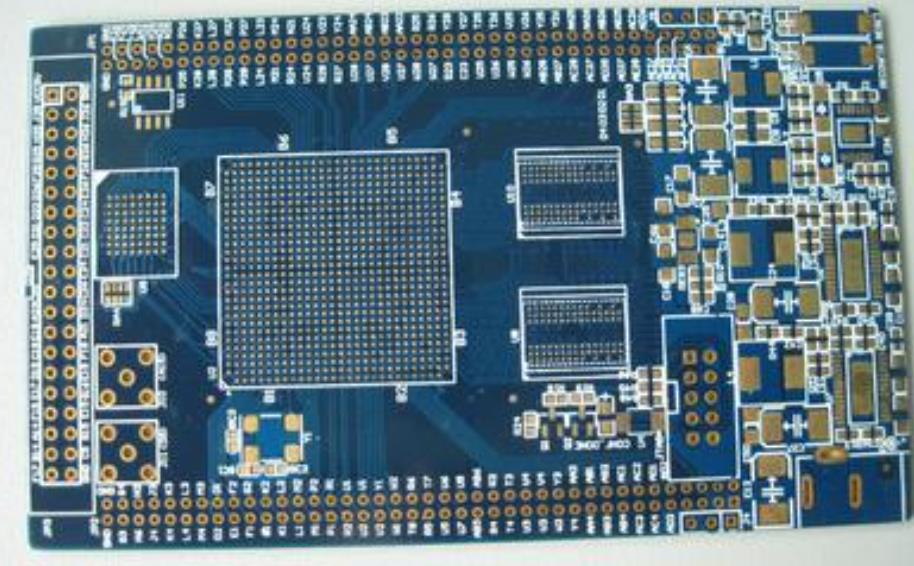
Volume assembly pricing depends on several interacting factors. Layer count and board complexity set the base: two-layer boards cost the least, while six-layer HDI boards cost considerably more because of lamination, drilling, and registration requirements. Component cost is often the largest variable and can shift the total by fifteen to twenty-five percent when chip prices move. Assembly technology matters as well; pure SMT placement is economical, while mixed technology that combines SMT with through-hole parts adds cost per board. Testing and quality inspection add a small amount per unit, and the level of automation in the factory determines how much labor cost remains in the final price.
Typical Batch PCB Assembly Price Ranges
Market prices for volume assembly in 2025 vary with board type and quantity. Simple two-layer rigid boards ordered in large quantities are the least expensive, four-layer boards sit in the middle range, and six-layer boards cost more because of the added process steps. Flexible boards are priced between rigid categories, and rigid-flex boards are the most expensive because they combine two manufacturing disciplines. When order quantities exceed twenty thousand boards, unit prices usually drop further as setup and programming costs are amortized over a larger run.
Each additional layer typically raises the cost by a predictable increment, and the exact figure depends on copper weight, routing density, and stack-up structure. For that reason, quoting from the actual Gerber files and BOM is the only reliable way to compare suppliers on the same design.
Cost Composition of a Volume Assembly Program
Breaking the total into categories makes pricing transparent. Bare board fabrication normally represents roughly a fifth to a quarter of the total. Component materials are another fifth to a quarter and can exceed the board cost on dense designs. Assembly and labor account for roughly a fifth, while testing and inspection add five to ten percent, and packaging and logistics add another five to ten percent. Optimizing the design and consolidating component procurement can reduce the total production cost by twenty percent or more, which is why engineering review pays for itself quickly at volume.
Regional Price Comparison for Batch PCB Assembly
Manufacturing location has a major effect on the economics of volume assembly. China offers the lowest combination of cost and capacity because of a mature supply chain, experienced operators, and a high level of automation. US manufacturing provides faster domestic response in some cases but carries higher labor costs. European production is generally the most expensive and often has longer lead times. For identical boards in large quantities, sourcing from China can save a substantial share of total cost even after international shipping and duties are included.
How to Reduce Batch PCB Assembly Cost
Cost reduction starts in the design. Simplify the layer count and remove unnecessary blind and buried vias. Use standard board sizes to reduce material waste and standard component packages to improve placement efficiency. Consolidate the supply chain: a turnkey partner that combines component procurement, assembly, and testing removes logistics markup and shortens the purchasing pipeline. Order the full quantity in advance to avoid expedite fees, and schedule production early so capacity is available at the best rate. Together, these steps typically save a meaningful amount per board on volume programs.
Choosing a supplier that offers high volume PCB assembly with automated SMT lines and documented quality systems keeps unit costs low while protecting yield. Automation reduces labor content, and consistent processes keep rework and scrap from quietly raising the effective cost per delivered board.
Freight and Logistics Considerations
International logistics add another dimension to volume pricing. Air freight rates vary by destination region and shipment weight, and delivery times range from a few days for nearby markets to longer for transcontinental routes. Consolidating large orders into fewer, heavier shipments reduces the freight cost per kilogram and can save a substantial share of the logistics budget on programs above a few hundred kilograms. Confirm with the supplier whether duties and customs documentation are included in the quotation.
Why a Turnkey Partner Helps at Volume
A full turnkey arrangement covers component sourcing, fabrication, assembly, and testing under one contract. This is especially valuable for volume programs because long-lead components can be ordered while boards are still in production, and quality responsibility never falls between two companies. Ask whether the partner offers turnkey PCB assembly with complete component procurement, because the price stability it provides often matters more than a few cents of board cost. A single quality system also means test data, traceability, and corrective actions are easier to audit.
Future Pricing Trends
Volume assembly prices are expected to remain stable or decline modestly over the next few years. Factory automation will continue to reduce labor content, smart manufacturing systems will improve yield and lower rework, and material prices should stabilize as capacity catches up with demand. Companies that lock in automated, turnkey suppliers today will be well positioned as production volumes grow.
Conclusion
Understanding the real cost structure of batch PCB assembly helps you budget accurately and negotiate effectively. Layer count, component cost, assembly technology, testing depth, and logistics all shape the final price per board. By simplifying the design, consolidating procurement and assembly with one automated partner, and planning shipments ahead, you can reach the lowest sustainable unit cost without compromising quality.
Frequently Asked Questions
Q1. What is the minimum quantity for batch production? Volume assembly usually starts around five to ten thousand boards, depending on the layer structure and component count.
Q2. How do I get an accurate quote? Send the Gerber files and bill of materials to the manufacturer. Most suppliers return a detailed quotation within a day or two.
Q3. Does the price include component sourcing? With turnkey service, yes. Component procurement, assembly, and testing are covered under one quotation, which simplifies budgeting.
Q4. Can I prototype before committing to volume? Yes, most manufacturers offer a smooth transition from prototype to volume so the design is fully validated before mass production begins.
Q5. What testing is included? Automated optical inspection and basic electrical testing are standard, with ICT, X-ray, and functional testing available depending on the product requirements.