PCB IPC Class Selection: Choosing How Strict to Be Electronics manufacturing has become a discipline of small details. Solder paste volumes, placement accuracy, temperature profiles and inspection limits all add up to the final result. This guide looks at PCB IPC class selection from the perspective of a PCBA factory…
PCB AQL Sampling By Class: How Many to Look At Buyers and engineers often focus on the finished product and forget the production line behind it. In practice, most field failures can be traced back to process decisions made during assembly. Understanding PCB AQL sampling by class gives you a…
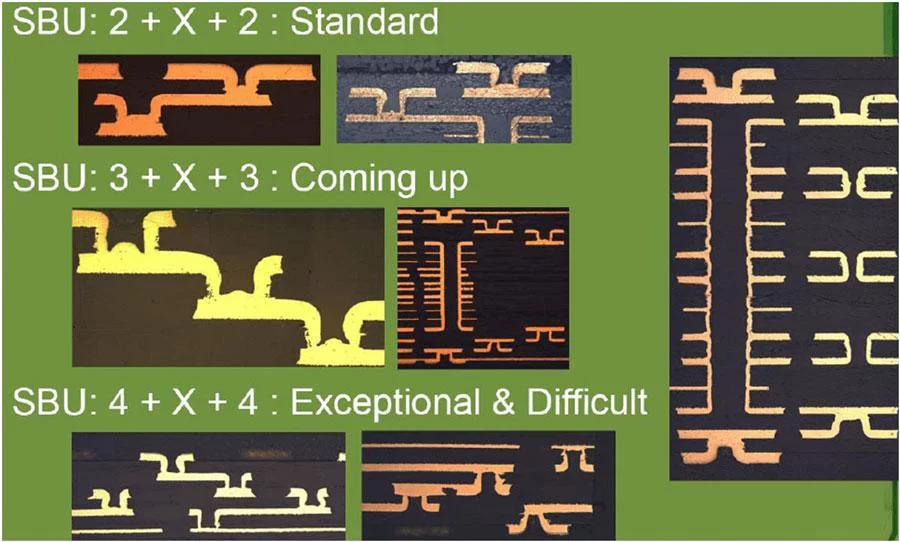
Why Multilayer PCB Design Beats a Double-Sided Board Adding layers to a board is the most expensive single decision in most projects, and also one of the most misunderstood. Engineers often assume that more layers automatically mean better performance, while cost engineers assume that fewer layers always means a cheaper…
PCB Tooling Ownership Terms: Who Keeps the Films Buyers and engineers often focus on the finished product and forget the production line behind it. In practice, most field failures can be traced back to process decisions made during assembly. Understanding PCB tooling ownership terms gives you a practical advantage when…
PCB Panel Size Choice for Cost: Fitting More Onto the Panel Modern electronics depend on boards that are assembled correctly the first time. Every product – a phone, a charger, a medical instrument or an industrial controller – relies on thousands of solder joints that must conduct current for years.…
Repairing Water Damaged Circuit Boards A board that has been wet is not necessarily a board that is dead, and the difference between a recoverable assembly and a scrapped one usually comes down to what happens in the first hour. Water alone is rarely the damage. The damage comes from…
PCB Lamination Process Step by Step Lamination is the step that turns a stack of separate layers into a single board. It is the longest single operation in multilayer fabrication, and it is the point at which the electrical and the mechanical properties of the finished board are decided. Getting…
Rapid PCB Prototyping and When It Is Worth It Rapid prototyping is sold as a service, and it is worth understanding what is being sold. Nothing about the physics changes: the press cycle is still hours long and the plating still takes the time it takes. What changes is where…
PCB Layer Structure and What Each Layer Does A layer in a circuit board layout is not the same thing as a layer in the physical board. The design file carries many layers, some of which become copper, some of which become coatings and some of which exist only to…
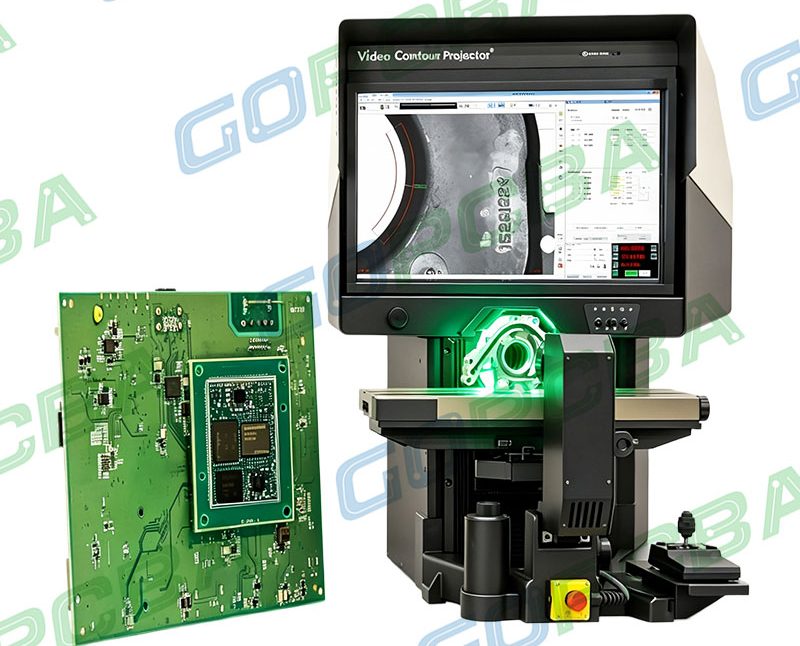
Multilayer PCB Inspection: Methods and Trade-offs Multilayer PCB inspection is what separates a multilayer board that works from one that fails after installation. As soon as a design uses three or more conductive layers with insulating material between them, the defects that matter most are the ones nobody can see,…