PCB Anode Bag Maintenance: The Bag Around the Anode Buyers and engineers often focus on the finished product and forget the production line behind it. In practice, most field failures can be traced back to process decisions made during assembly. Understanding PCB anode bag maintenance gives you a practical advantage…
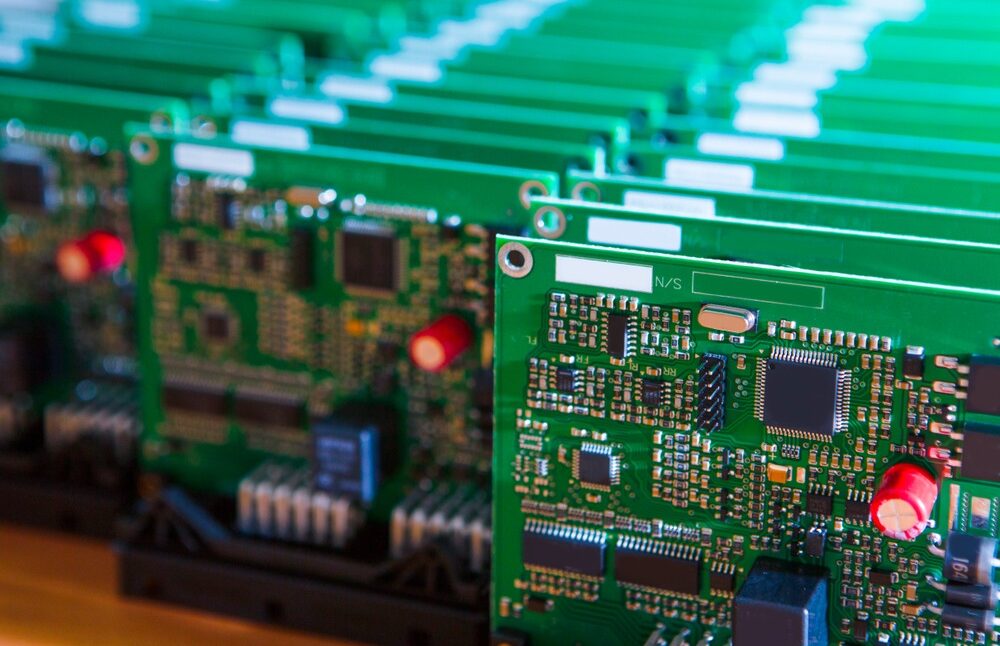
Resistor Selection for PCB Design: Power, Voltage and 0 Ohm Uses Choosing a resistor looks like the simplest task in a schematic, and it is where a surprising number of reliability problems begin. Two engineers can specify the same 10 k value and end up with one circuit that works…
PCB Plating Rectifier Ripple: The Quality of the Current Buyers and engineers often focus on the finished product and forget the production line behind it. In practice, most field failures can be traced back to process decisions made during assembly. Understanding PCB plating rectifier ripple gives you a practical advantage…
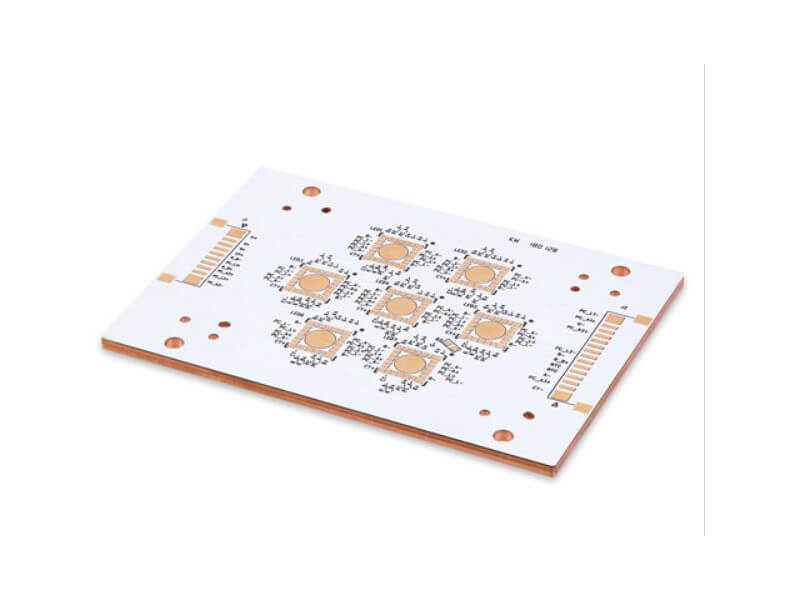
Panel and Fiducial Design Rules for Automated SMT Assembly An automated surface mount line can place tens of thousands of parts an hour, but only if the board presents itself to the machine in a form the machine can handle. Panel geometry, edge conditions, fiducial placement and tooling holes are…
PCB Electroless Copper Bath Control: Starting the Conductor Modern electronics depend on boards that are assembled correctly the first time. Every product – a phone, a charger, a medical instrument or an industrial controller – relies on thousands of solder joints that must conduct current for years. This article explains…
PCB Desmear for Multilayer: Cleaning the Hole Modern electronics depend on boards that are assembled correctly the first time. Every product – a phone, a charger, a medical instrument or an industrial controller – relies on thousands of solder joints that must conduct current for years. This article explains PCB…
PCB Plating Rack Contact Points: Where the Current Enters Buyers and engineers often focus on the finished product and forget the production line behind it. In practice, most field failures can be traced back to process decisions made during assembly. Understanding PCB plating rack contact points gives you a practical…
Flexible Circuit Board Types: Single-Sided to Rigid-Flex A flexible circuit is not simply a thin rigid board. It is built on a different material system, assembled with a different set of processes, and available in several constructions that trade flexibility against wiring density and cost. Knowing which construction suits a…
PCB Plating Throwing Power: Getting Copper Into the Hole Modern electronics depend on boards that are assembled correctly the first time. Every product – a phone, a charger, a medical instrument or an industrial controller – relies on thousands of solder joints that must conduct current for years. This article…
Component Selection for PCB Prototypes: ESD and Latch-Up A prototype board is only as robust as its most fragile component. Electrostatic discharge sensitivity, latch-up susceptibility and the behaviour of floating inputs are properties of the device selection and the surrounding network, not of the layout alone, and they mostly appear…