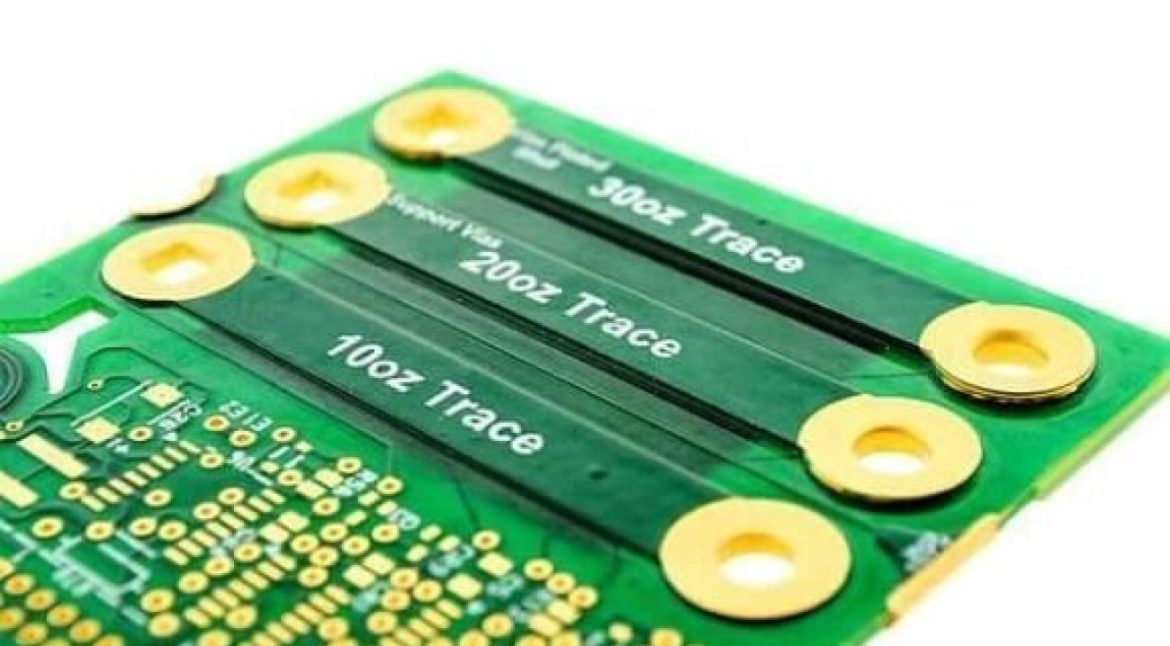
What Is a Heavy Copper PCB? As the name suggests, a Heavy Copper PCB is a printed circuit board manufactured with significantly thicker copper than a standard PCB. In conventional PCB products, copper thickness is commonly around 0.5 to 2 oz, equivalent to approximately 17.5 to 70 μm. When the…
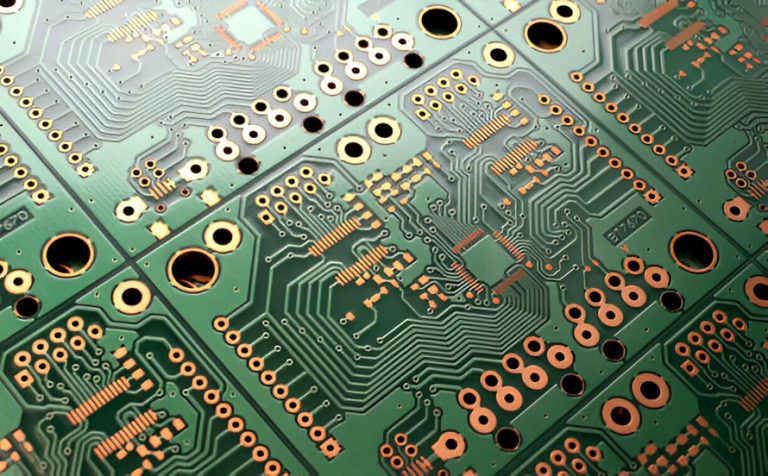
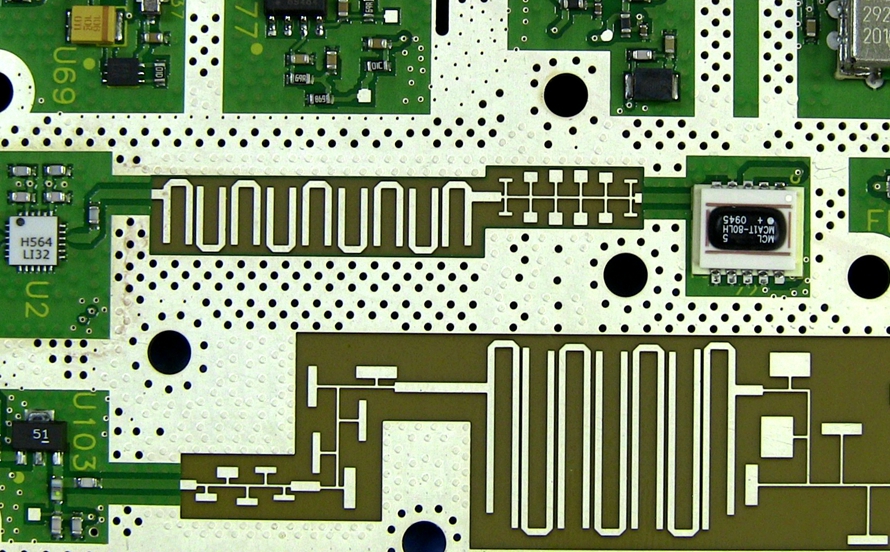
What Is a Low-Loss PCB? A Low-Loss PCB is a printed circuit board designed and manufactured to minimize signal attenuation, dielectric loss, conductor loss, and other sources of transmission loss. These boards are particularly important in high-speed and high-frequency electronic systems where maintaining signal quality over the entire transmission path…
What Is a Taconic PCB? A Taconic PCB is a printed circuit board manufactured using high-performance laminate materials developed by Taconic’s Advanced Dielectric division. These materials are engineered primarily for demanding RF, microwave, and high-speed digital applications where conventional PCB materials may not provide sufficient electrical or thermal performance. Taconic…
What Is a Halogen-Free PCB? A Halogen-Free PCB is a printed circuit board manufactured without intentionally using halogen-based materials, particularly halogenated flame retardants. Halogens are a group of chemical elements that includes: Fluorine (F) Chlorine (Cl) Bromine (Br) Iodine (I) Astatine (At) Traditional PCB materials may contain brominated flame retardants…
What Is a High Tg PCB? A High Tg PCB is a printed circuit board manufactured with laminate materials that have a higher glass transition temperature (Tg) than standard PCB materials. Tg is an important material parameter used to evaluate the thermal behavior of the resin system used in a…
What Is an Alumina PCB? An Alumina PCB is a type of ceramic printed circuit board that uses aluminum oxide (Al₂O₃) as its primary substrate material. As one of the most widely used ceramic materials, alumina provides an effective balance of thermal performance, electrical insulation, chemical resistance, mechanical stability, and…
What Is a Teflon PCB? A Teflon PCB is a printed circuit board that uses polytetrafluoroethylene (PTFE)-based laminate as its primary dielectric material. Teflon is a registered trademark associated with PTFE products, while PTFE itself is a fluoropolymer known for its excellent chemical resistance, low friction, low moisture absorption, thermal…
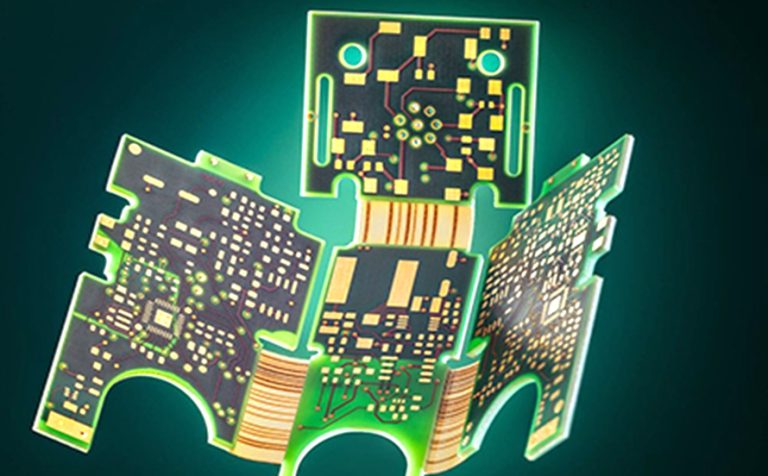
What Is a Semi-Flex PCB? A Semi-Flex PCB, also known as a Semi-Flexible PCB or FR4 semi-flexible circuit board, is a specialized PCB structure that introduces localized flexibility into an otherwise rigid circuit board. Unlike a conventional rigid-flex PCB, which combines rigid materials such as FR-4 with a dedicated flexible…
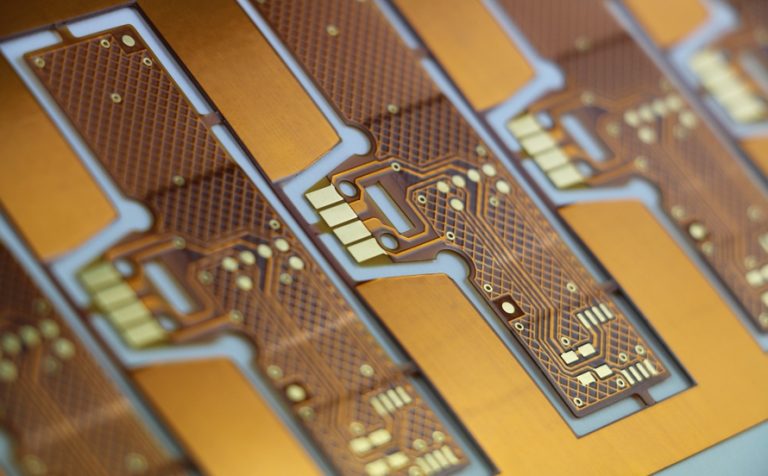
What Is a Polyimide PCB? A Polyimide PCB is a printed circuit board that uses polyimide as the primary insulating substrate or flexible dielectric material. Polyimide is a high-performance polymer known for its excellent thermal stability, electrical insulation, chemical resistance, mechanical flexibility, and relatively low coefficient of thermal expansion (CTE).…
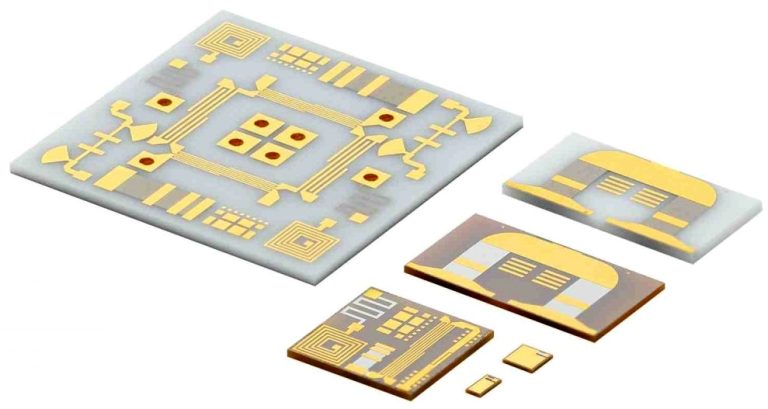
A Ceramic PCB is a printed circuit board that uses a ceramic substrate instead of conventional organic materials such as FR-4. Ceramic substrates are valued for their excellent thermal performance, electrical insulation, dimensional stability, and resistance to demanding operating environments. Common ceramic substrate materials include alumina (Al₂O₃), aluminum nitride (AlN),…