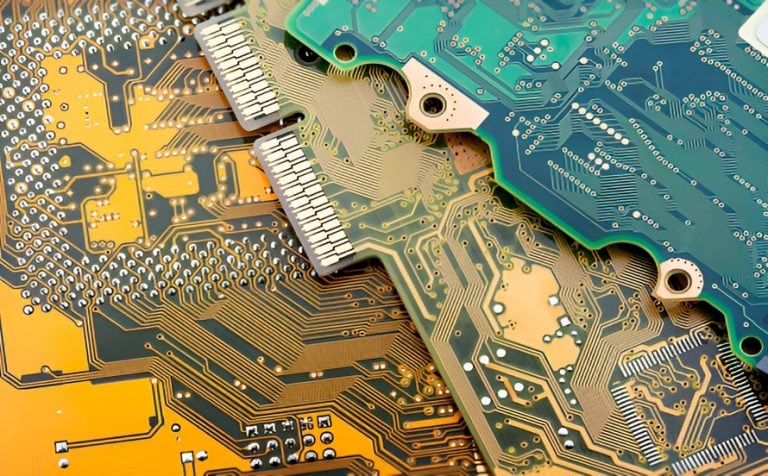
FR-4 Circuit Board

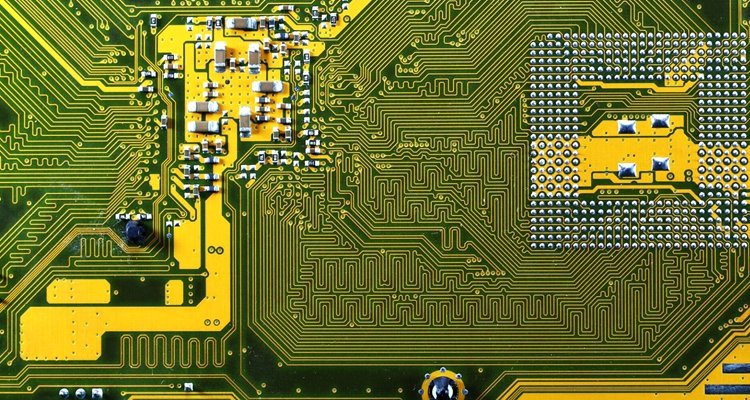
FR-4 PCB: Properties, Applications and Manufacturing Process

Among the many materials used for printed circuit boards, FR-4 PCB is one of the most widely adopted choices. FR-4 is a glass-fiber-reinforced epoxy laminate system that provides a combination of mechanical strength, electrical insulation, thermal stability, manufacturability, and cost effectiveness. The term FR-4 is commonly associated with flame-retardant glass-reinforced…
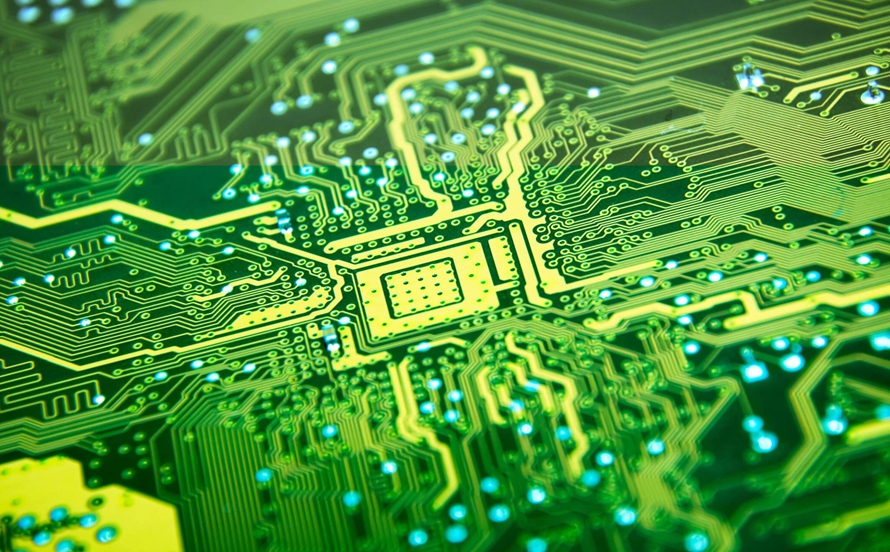
Controlled Impedance PCB

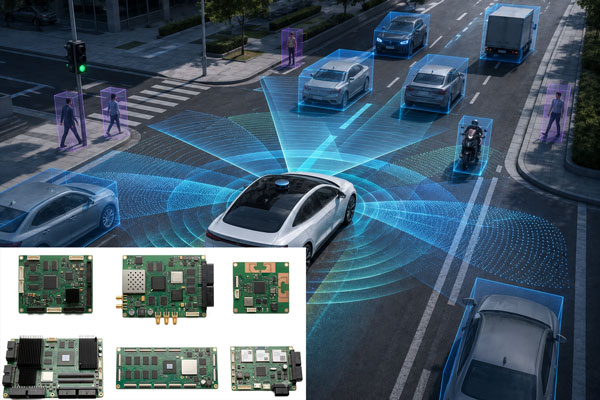
Controlled Impedance PCB: Design, Factors and Applications

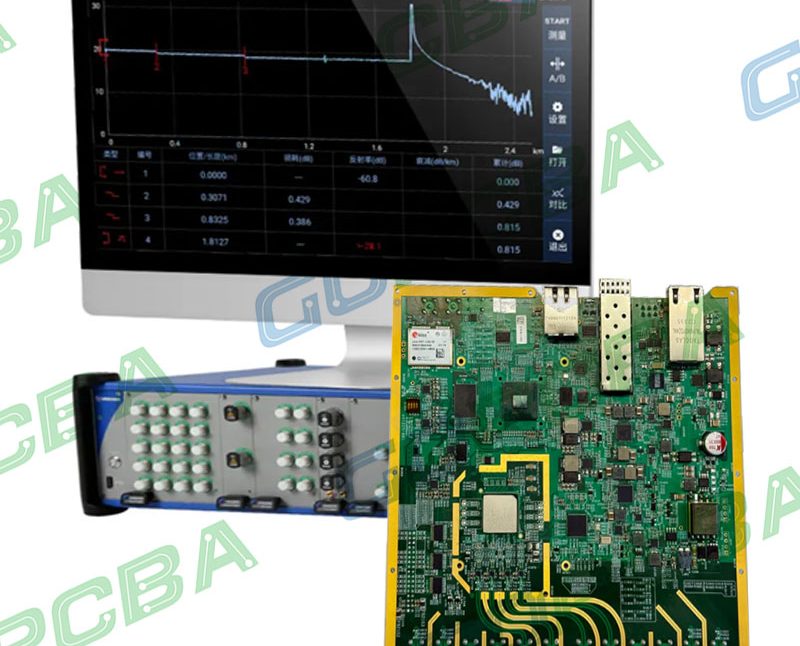
In high-speed electronic systems, maintaining predictable signal transmission is essential for reliable performance. As signal frequencies and data rates increase, PCB traces can no longer be treated as simple electrical connections. Their geometry, surrounding dielectric material, reference planes, and transmission distance all influence electrical behavior. A Controlled Impedance PCB is…
Through-Hole PCB Assembly, Through-Hole Technology, THT Assembly, PTH PCB Assembly, Through-Hole PCB, Through-Hole Assembly

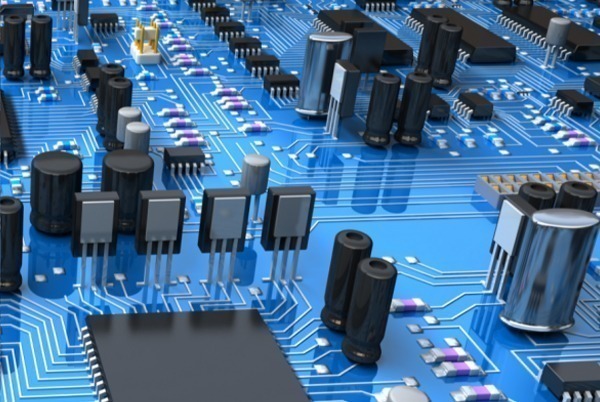
Through-Hole PCB Assembly: Process, Advantages, Applications, and THT vs. SMT

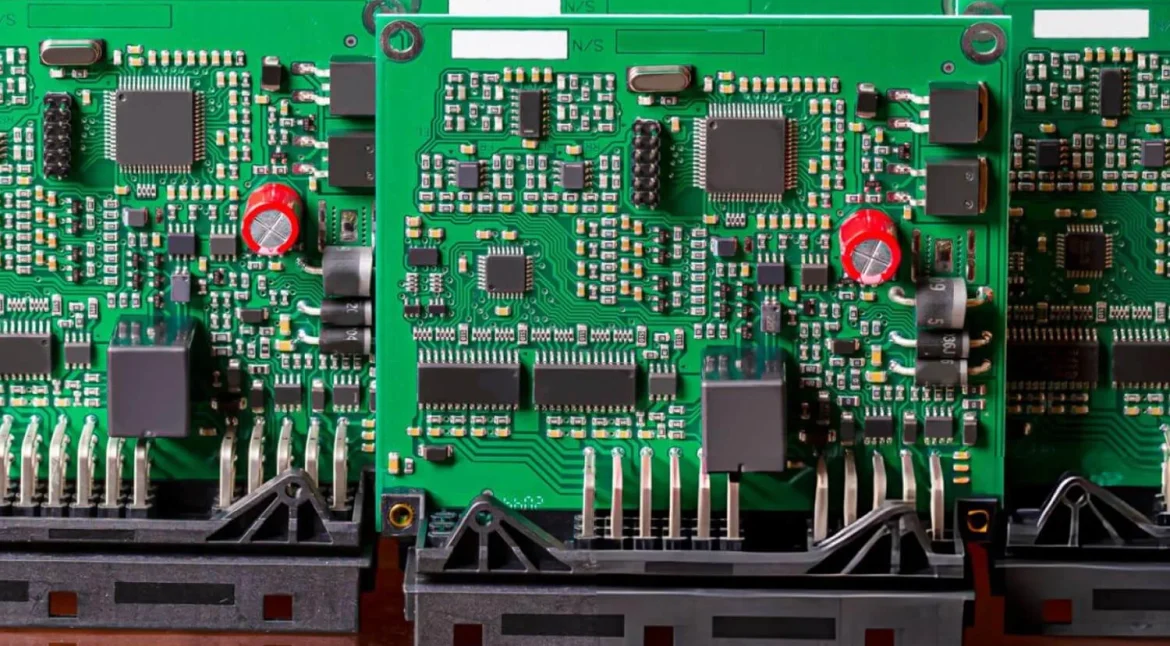
Reliable printed circuit boards are essential for the consistent operation and long-term performance of electronic products. Although Surface Mount Technology (SMT) has become the dominant assembly method for compact and high-volume electronics, Through-Hole PCB Assembly remains an important manufacturing solution for applications that require high mechanical strength, excellent durability, strong…