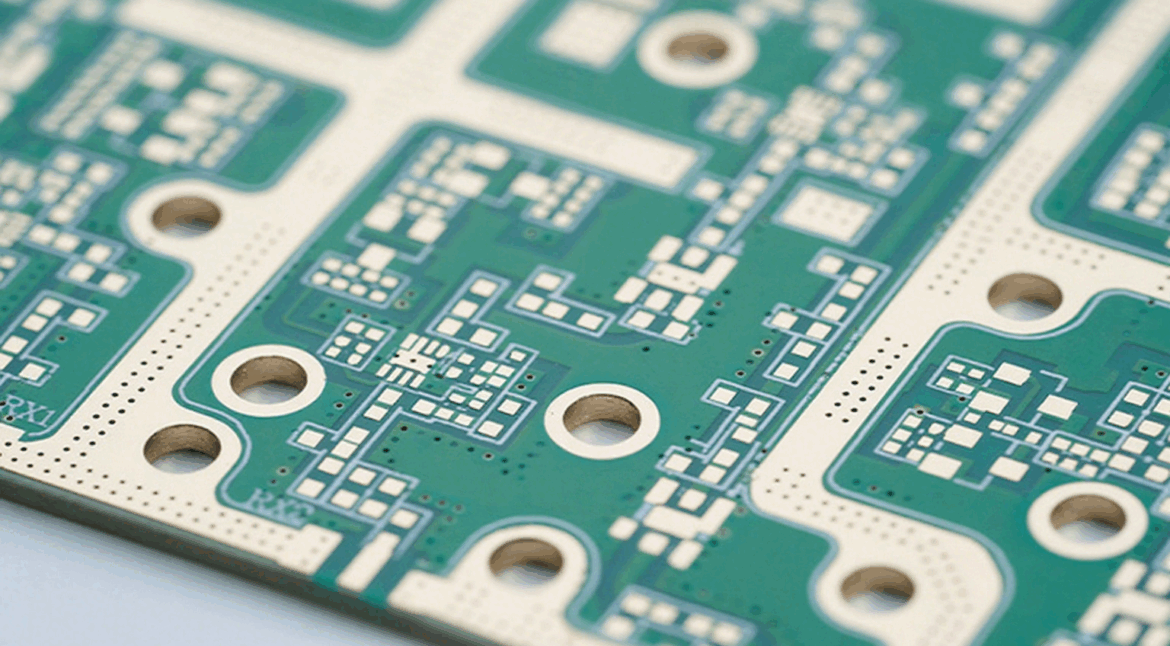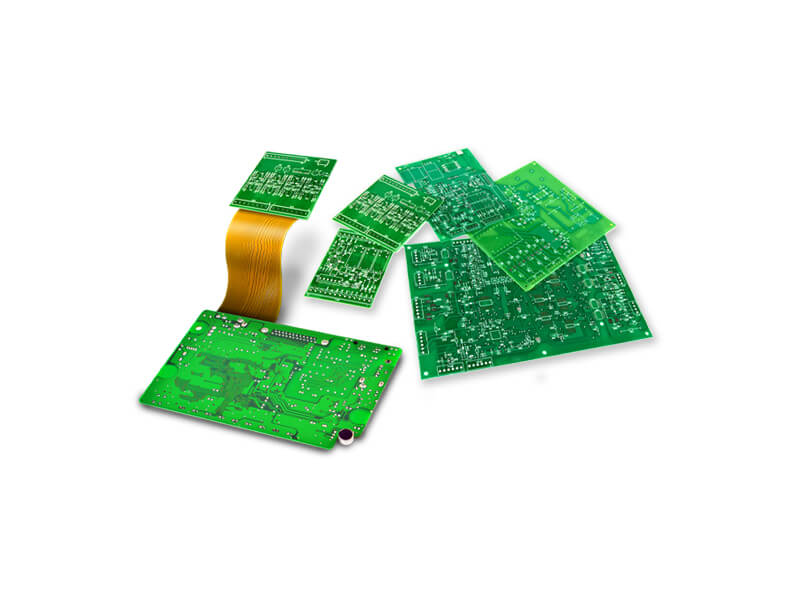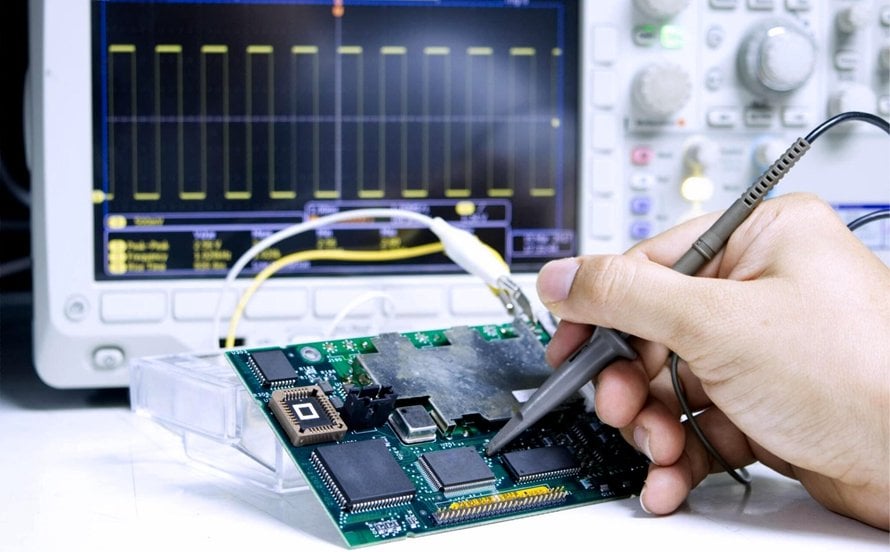
Scratches and Dents: Handling Damage in PCB Fabrication Scratches, dents and edge chips are the most common cosmetic defects on a finished board, and they are almost never produced by the process that is supposed to make the feature. They are produced by moving the panel: through a conveyor, into…
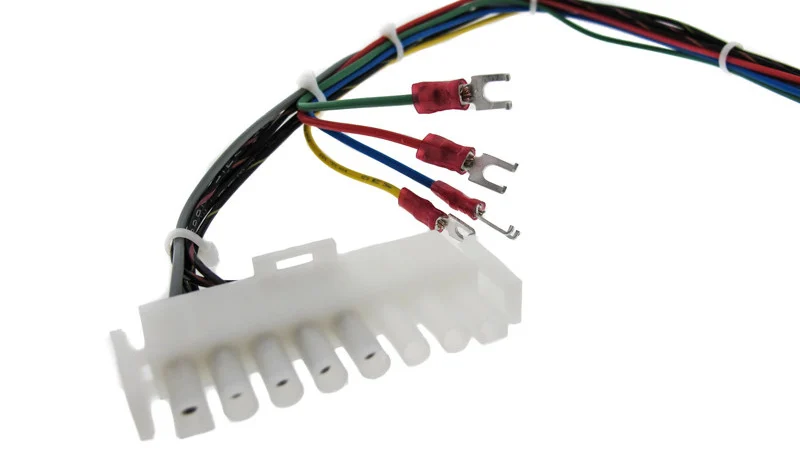
Conveyor Angle in Wave Soldering: The Exit Decides The conveyor of a wave soldering machine is inclined, and the angle is one of the few parameters that affects bridging, icicles, barrel fill and solder usage at the same time. The incline is set so that the board meets the wave…
Copper Wicking: Where the Plating Travels and Why Copper wicking is the extension of plated copper along the laminate surface or into the bundle of glass fibres beside a drilled hole, beyond the boundary that the artwork defines. The copper is thin, it follows the fibres or the interface between…
Hole Wall Copper Thickness: Measuring the Minimum That Matters Hole wall copper carries the current between the layers of a board and provides the mechanical support that keeps a plated barrel intact through thermal cycling. It is specified as a minimum rather than an average, because a barrel fails where…
PCB Etch Factor Training: Teaching the Team Modern electronics depend on boards that are assembled correctly the first time. Every product – a phone, a charger, a medical instrument or an industrial controller – relies on thousands of solder joints that must conduct current for years. This article explains PCB…
PCB Etch Factor Records: Writing It Down Electronics manufacturing has become a discipline of small details. Solder paste volumes, placement accuracy, temperature profiles and inspection limits all add up to the final result. This guide looks at PCB etch factor records from the perspective of a PCBA factory floor, covering…
Vapour Degreasing for PCB Assembly: Solvent and Residue Control Vapour degreasing cleans a board by condensing solvent onto it. The solvent is boiled in a sump, its vapour rises and fills the tank above a defined vapour line, and a cold board introduced into that vapour causes the solvent to…
Conformal Coating Cure Profile: Solvent Release and Verification A conformal coating cures by losing solvent and then by a chemical or physical change in the resin. The cure profile is the combination of time, temperature and, for some chemistries, humidity or ultraviolet exposure that the coating sees after application. Getting…
Laser Soldering: Spot Size and Heat Input Control Laser soldering delivers energy to a joint as a focused beam rather than by conduction from a hot tip. The heat is absorbed at the surface where the beam lands, and it spreads into the joint by conduction from there. That makes…
Electropolished Stencil Apertures: Paste Release and Surface Finish An electropolished stencil has had a thin layer of metal removed from the walls of its apertures by an electrochemical process, which smooths the surface left by laser cutting. The change is measured in fractions of a micrometre, but it acts on…