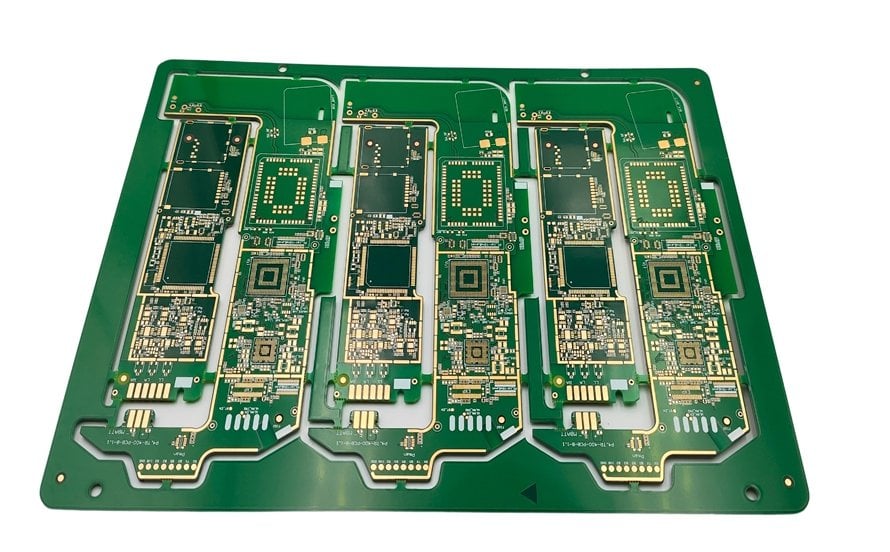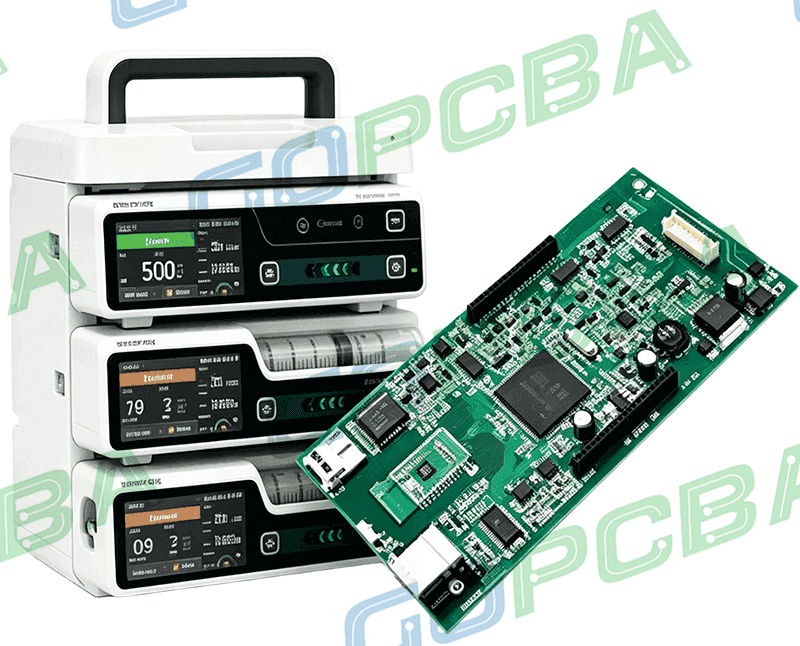
PCB Desmear Improvement: Getting Better Each Lot Electronics manufacturing has become a discipline of small details. Solder paste volumes, placement accuracy, temperature profiles and inspection limits all add up to the final result. This guide looks at PCB desmear improvement from the perspective of a PCBA factory floor, covering improving…
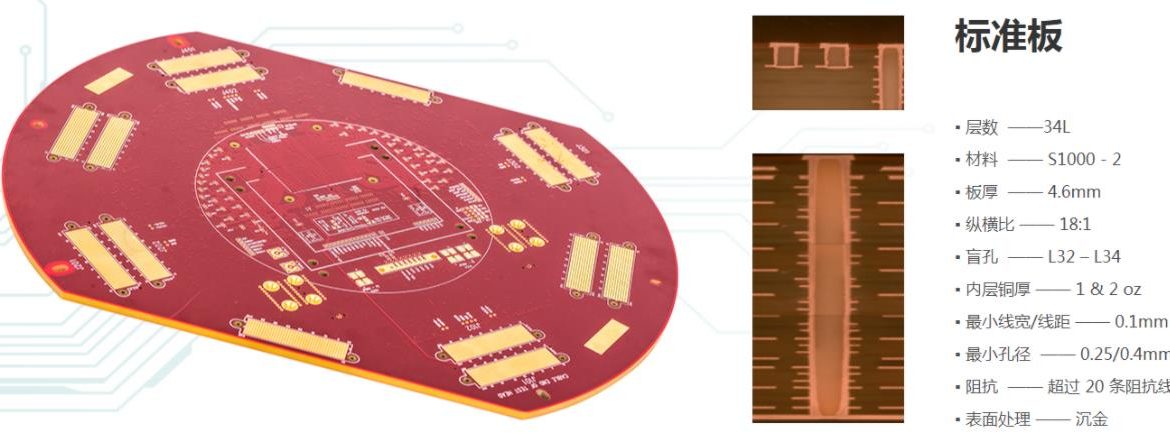
Solder Float Test: Thermal Stress and Plated Hole Integrity The solder float test subjects a plated hole to a sudden thermal shock by floating a sample of the board on molten solder for a fixed time, then examining the barrel for cracks. It is one of the oldest reliability tests…
Deburring and Edge Finishing Control for PCB Routing: 5 Rules A burr is a raised lip of material left at the edge of a cut, and on a printed circuit board it can be made of laminate, of copper or of both. Burrs are produced whenever a cutting tool pushes…
Black Pad Defect Control on ENIG PCB Finishes: 6 Rules Black pad is a defect that forms under the gold of an electroless nickel immersion gold finish, where the nickel layer has been attacked and converted into a brittle, phosphorus-rich corrosion product. The surface still looks like a normal pad,…
Tab Routing Control for PCB Depaneling: 6 Rules Tab routing is a depaneling method in which the board is held in its panel by small bridges of laminate, and a router removes the material around the board while leaving those bridges until the last operation. The tabs are then cut,…
Drill Bit Coating Selection: Tool Wear, Drill Life and Hole Quality A drill bit coating is a thin film deposited on the cutting edges and flutes of a carbide drill to slow the wear that limits its life. The benefit is not the same for every laminate: a coating that…
Time to Delamination Testing: T260, T288 and Laminate Selection Time to delamination is the period a laminate survives at a fixed elevated temperature before the resin separates from the glass reinforcement or from the copper foil. It is measured on a small sample in a thermal mechanical analyser, and the…
Router Bit Life Management: Edge Quality and Chipout Control Routing separates the parts of a panel with a rotating carbide cutter, and the life of that cutter is the point at which edge quality stops meeting the drawing. Router bit life is not usually ended by a broken tool but…
Vapour Phase Soldering Control for PCB Assemblies: 6 Rules Vapour phase soldering heats a board by condensing a hot vapour onto it. The vapour is produced from a fluid with a defined boiling point, and the board can never exceed the temperature of that vapour, which makes the process inherently…
Thick Copper Plating: Current Density and Plating Uniformity Thick copper plating builds conductor layers of 70 micrometres and above, either to carry large currents or to spread heat away from power devices. The deposition is the same electrochemical process used for ordinary boards, but every tolerance becomes harder to hold:…