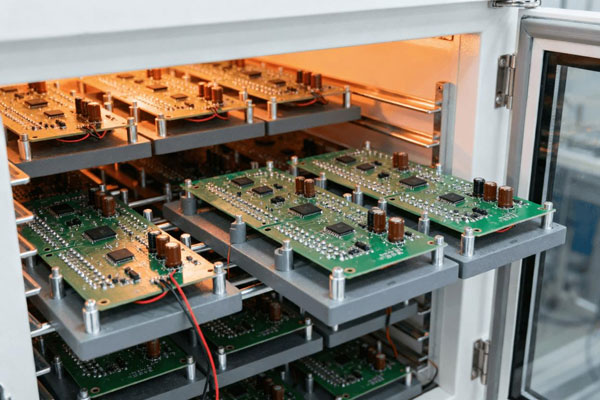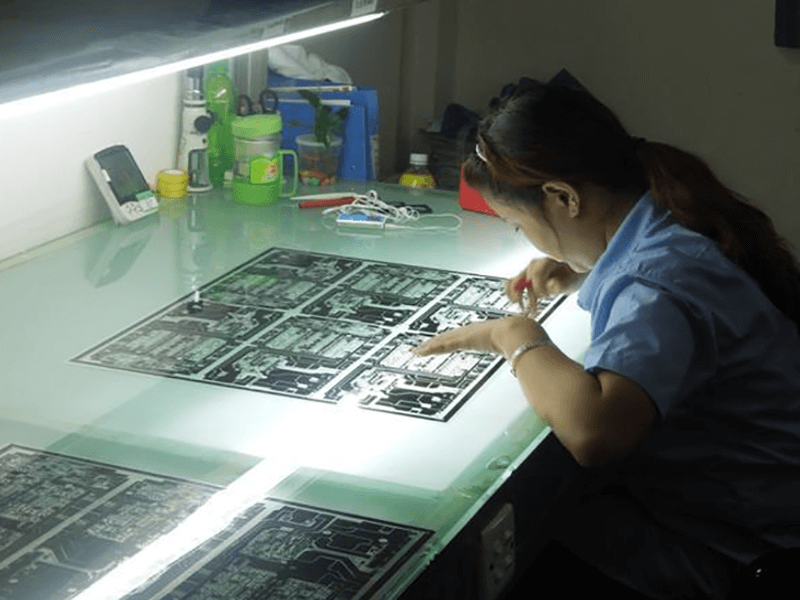
Plating Bath Temperature: 5 Checks That Hold the Window Plating bath temperature is one of the few parameters that changes almost everything at once. It moves the deposition rate, the deposit grain structure, the consumption of the additives, the solubility of the chemistry and the behaviour of the anode, so…
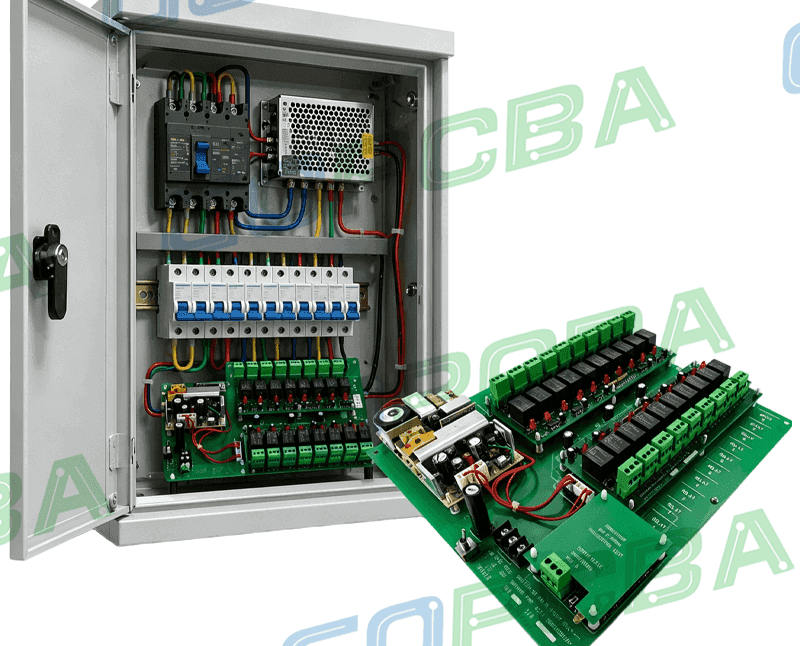
Dried Paste: 5 Rules for Stencil Life on the Line Dried paste is the change that happens to solder paste after it has been on the stencil for too long, and it is one of the quietest causes of a yield loss on an SMT line. The paste still looks…
Lifted Pad: 5 Rules for Rework Without Damage A lifted pad is a copper land that has separated from the laminate, taking the adhesive bond with it. The copper is still there, often still soldered to a component lead, but it is no longer attached to the board. Once a…
PCB Outsourced Assembly Plan: Laying It Out First Electronics manufacturing has become a discipline of small details. Solder paste volumes, placement accuracy, temperature profiles and inspection limits all add up to the final result. This guide looks at PCB outsourced assembly plan from the perspective of a PCBA factory floor,…
Type 4 Paste: 6 Rules for Fine Pitch Printing Type 4 paste is a solder paste classification that describes the powder size inside it, and the number is printed on the jar because it decides what the paste can print. A type 4 powder has particles small enough to pass…
PCB Outsourced Assembly Data: What the Numbers Say Buyers and engineers often focus on the finished product and forget the production line behind it. In practice, most field failures can be traced back to process decisions made during assembly. Understanding PCB outsourced assembly data gives you a practical advantage when…
Resist Stripping After Plating: 5 Checks for Clean Boards Resist stripping is the step that removes the photoresist after it has done its job, and it is judged by what it leaves behind rather than by what it removes. A panel that leaves the tank with a clean copper surface…
PCB Outsourced Assembly Limits: Where the Edges Are Modern electronics depend on boards that are assembled correctly the first time. Every product – a phone, a charger, a medical instrument or an industrial controller – relies on thousands of solder joints that must conduct current for years. This article explains…
Anti-Tarnish Protection: 5 Checks for Bare Copper Anti-tarnish protection is the thin organic coating applied to bare copper so that the surface is still solderable when the board is finally used. Without it, copper oxidises within days in a warm shop and within hours in a humid one, and the…
PCB Outsourced Assembly Maintenance: Keeping It Working Buyers and engineers often focus on the finished product and forget the production line behind it. In practice, most field failures can be traced back to process decisions made during assembly. Understanding PCB outsourced assembly maintenance gives you a practical advantage when you…