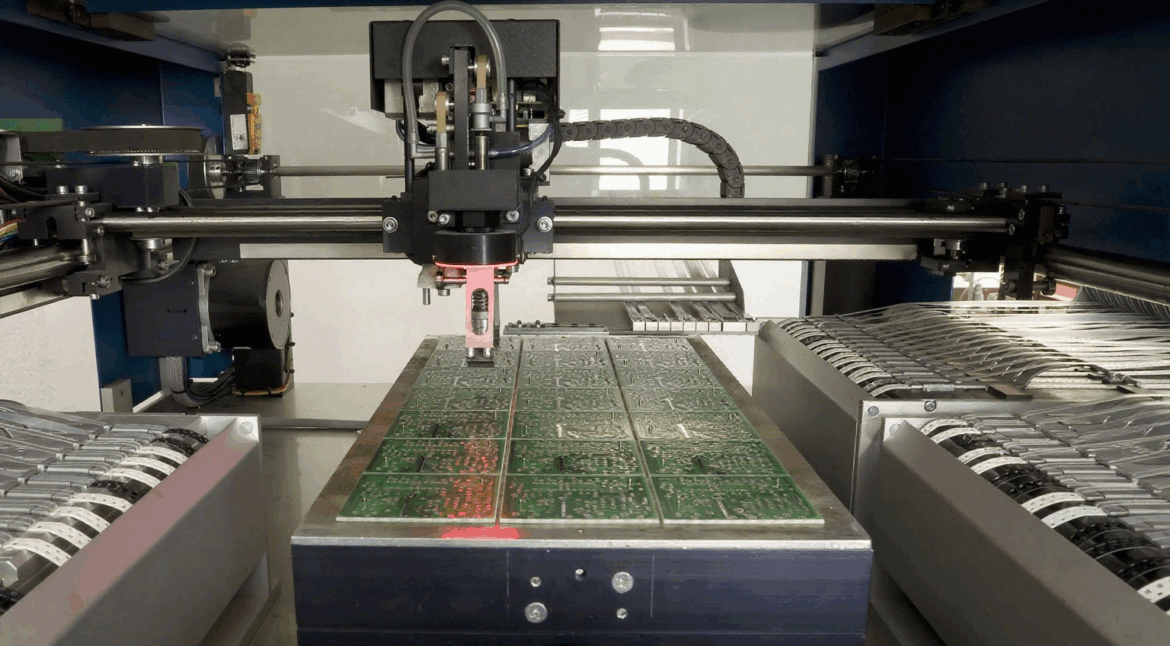
SMT Line Changeover: 6 Steps That Cut Setup Time Safely Line changeover is the interval between the last good board of one product and the first good board of the next, and it is one of the largest hidden costs on an SMT line. It is not only the machine…

Emulsion Thickness: 5 Rules for Printing Screens Emulsion thickness is the depth of the light sensitive layer that sits above the mesh on a printing screen, and it is the single biggest control over how much ink is deposited. The ink fills the opening, and the volume of that opening…
Anode Bag Care: 5 Rules for Copper Plating Baths An anode bag is a porous sleeve that wraps a copper anode in a plating bath, and its job is to hold the anode sludge where it is produced. As the anode dissolves, the insoluble material that was inside the metal…
Core Baking: Preparation, Placement and Process Control Core baking is the drying step that removes absorbed moisture from inner layer cores and, where the process requires it, from prepreg before the stack goes into the press. It is a short operation with an outsized effect, because water trapped inside a…
PCB First Pass Yield Sample: Checking a Small Piece Electronics manufacturing has become a discipline of small details. Solder paste volumes, placement accuracy, temperature profiles and inspection limits all add up to the final result. This guide looks at PCB first pass yield sample from the perspective of a PCBA…
Iron Contamination: 5 Signs a Solder Bath Needs Alloy Iron contamination is the gradual build up of iron in a molten solder bath, and it comes from the pot itself rather than from the alloy that was delivered. Iron dissolves slowly in molten tin, and once it is in solution…
Dip and Look Solderability Testing: 7 Rules Dip and look is a solderability test in which a sample is fluxed, dipped into molten solder and inspected visually. It answers a simple question: does the surface wet, and does the solder cover it evenly. The method does not produce a number,…
Solder Mask Viscosity: 5 Rules Before Printing Solder mask viscosity is the property that decides how the ink leaves the screen, how it levels on the panel and how much of it stays where it was printed. It is measured in the ink kitchen, it changes with temperature and shear,…
Permanganate Desmear Control: 6 Steps That Protect the Hole Wall Permanganate desmear is the wet chemical sequence that removes resin smear from a drilled hole so that copper can be plated onto a clean, bondable surface. Smear forms when the drill heats the resin beyond its softening point, and the…
Wave Solder Pump Maintenance: 6 Checks That Hold Wave Height The wave solder pump is the component that turns a static bath of molten alloy into a controlled flow of solder across a nozzle. Every joint the machine makes depends on that flow being steady, at the right height and…