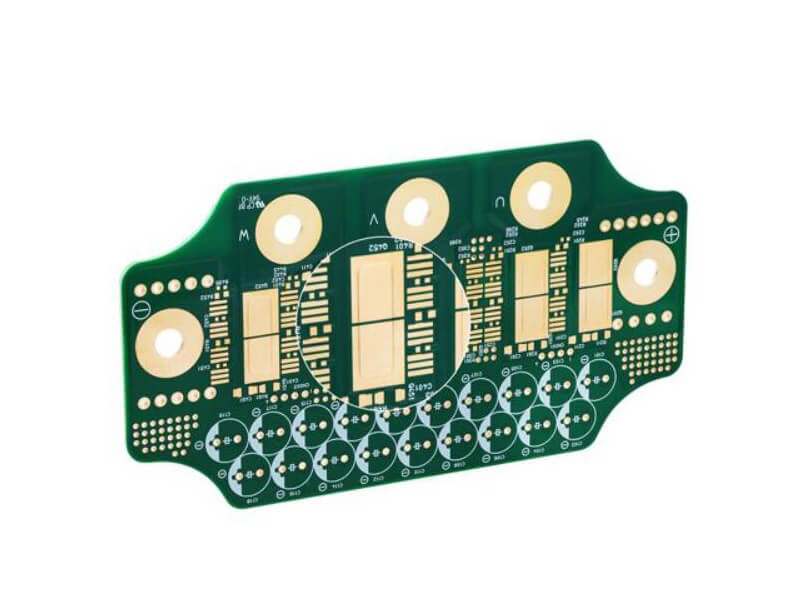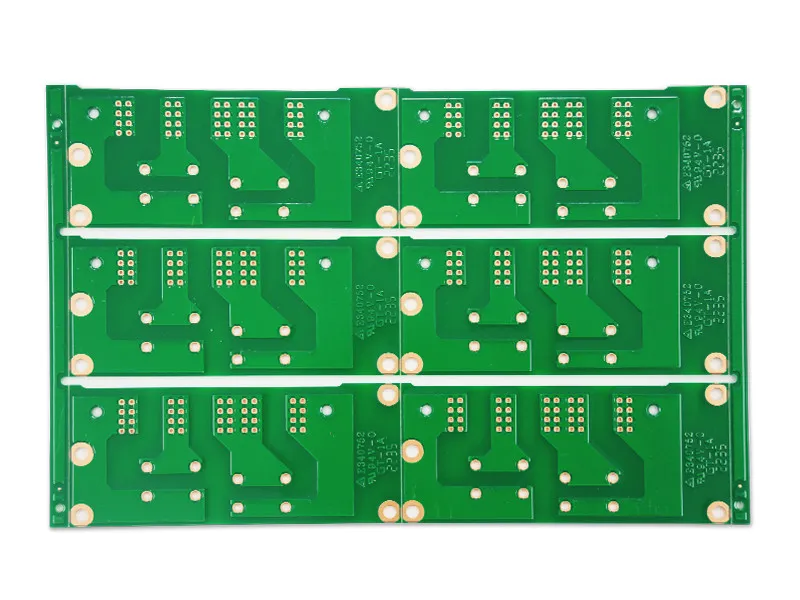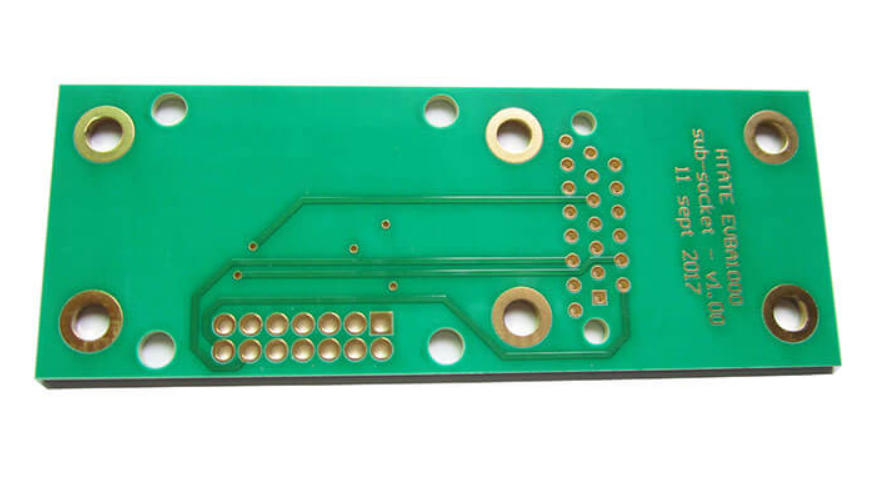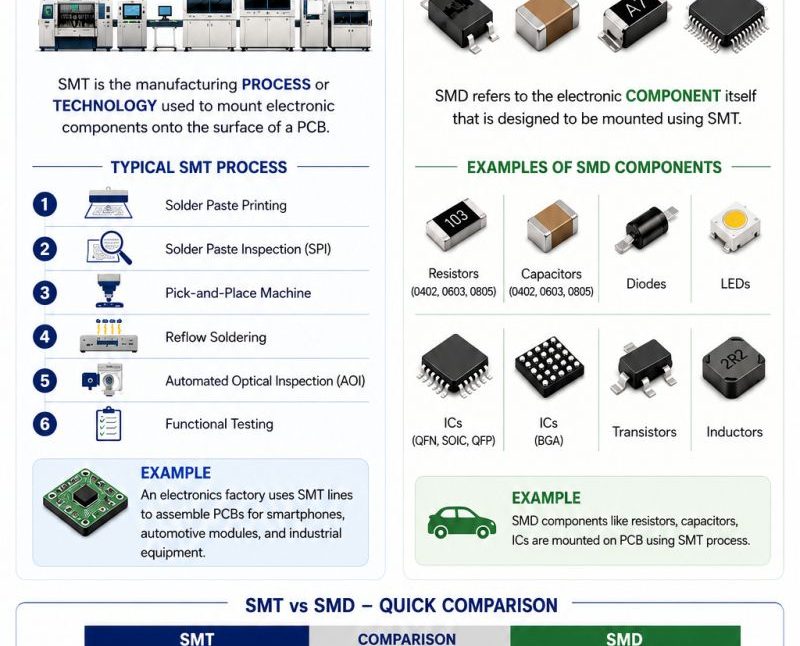
Mouse Bite Tabs: A Complete Depaneling Guide A mouse bite is the row of small perforations that joins a panel to its frame or to a neighbouring board and lets the assembly be snapped apart after soldering. The break is quick and needs no machine, which is why the process…
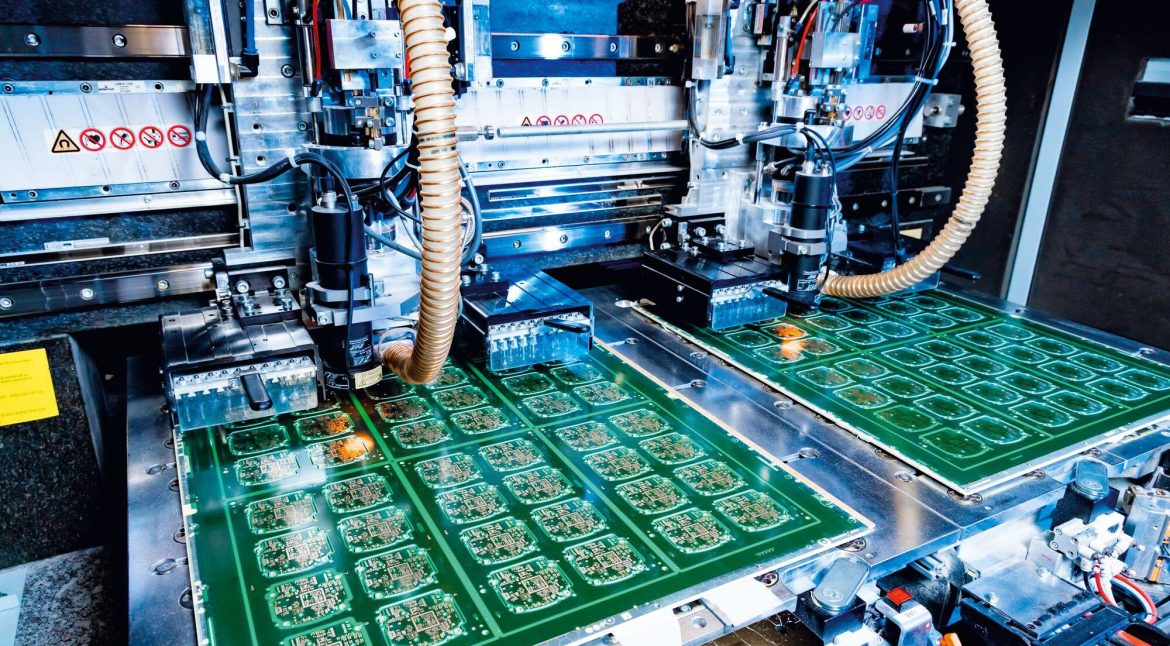
Panel Rail Width: A Complete Design Guide Panel rail width is the width of the material left along the edges of a production panel so that the assembly can be handled, printed and conveyed without touching the boards themselves. It looks like a trivial layout detail and it is one…
X-Ray Void Measurement: A Complete Inspection Guide X-ray void measurement is the practice of imaging a solder joint from above, counting the dark areas inside it and reporting the result as a percentage of joint area. It is the only practical way to see inside a ball grid array joint…
Water Jet Depaneling: A 5-Rule Process Guide Water jet depaneling cuts a panel with a very narrow, very fast stream of water, usually carrying an abrasive grit. The cut is cold, it works on any material in the stack, and it leaves no heat-affected zone, which is why the process…
Paste Inspection System: A 6-Point Selection Guide A paste inspection system photographs the deposits on a board after printing and reports their volume, area and position. It is the only measurement in a solder paste printing process that looks at every board at production speed, which makes it the fastest…
Routing Bit Selection: 5 Rules for Clean Depaneling A routing bit is the carbide cutter that separates boards from a panel along a programmed path. It removes material rather than fracturing it, so the edge it leaves is machined and the stress it puts into the assembly is low. The…
Vacuum Nozzle Care: A 6-Point SMT Maintenance Guide A vacuum nozzle is the small tip on a placement spindle that holds a component by vacuum until the head reaches the pad and the part is released. It is the last mechanical interface before placement, so its condition sets pickup reliability…
Paste Bead Control: 5 Rules for a Stable Print Paste bead control is the practice of keeping the roll of solder paste that sits ahead of the squeegee at the right volume, the right shape and the right temperature for the whole print stroke. A bead that is correct pushes…
Nozzle Inventory: Design Rules and Process Limits A nozzle inventory is more than a drawer of spares. Each tip in it has a size, a wear state and a job it is approved for, and a machine fitted with the wrong one will place parts with a pressure that the…
Firmware Flashing Station Setup: 5 Ways to Prevent Wrong Version Errors Firmware flashing is one of the few operations where a completely correct board can be turned into scrap in under a minute. The risk is not the programmer but the file, the fixture and the label, and each of…