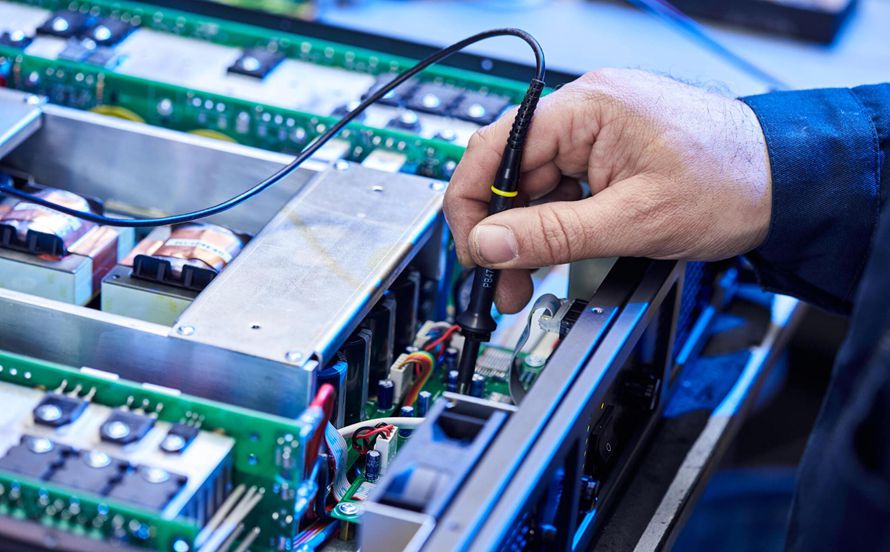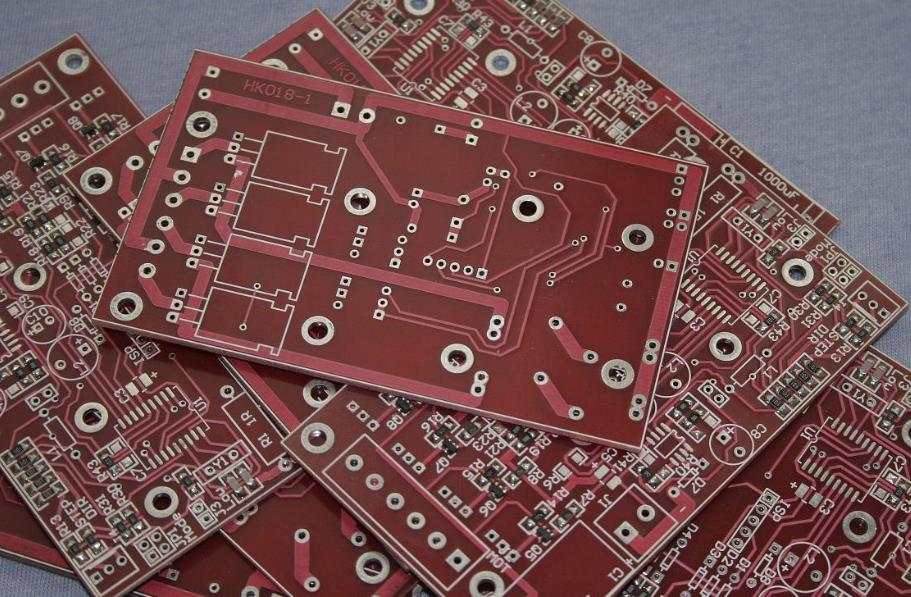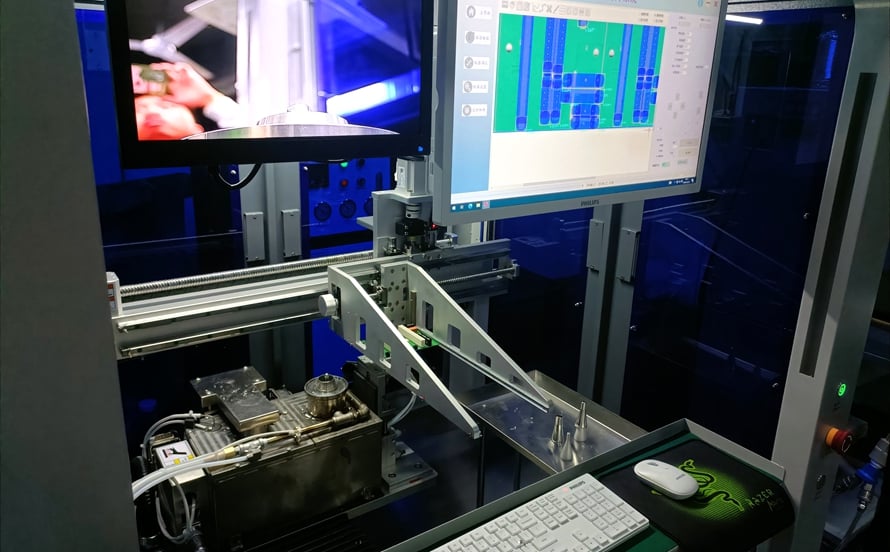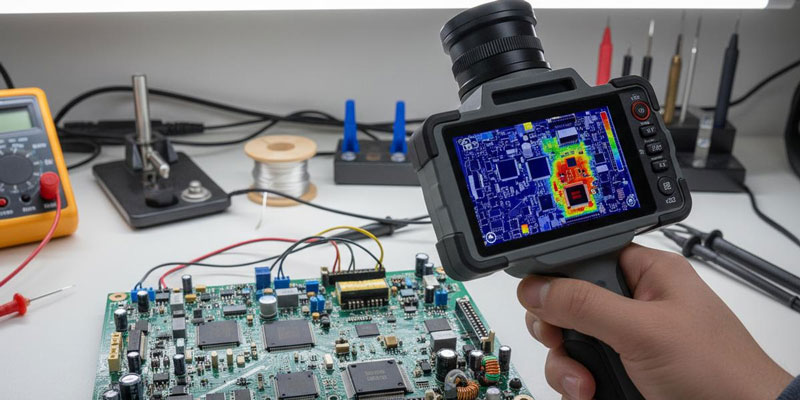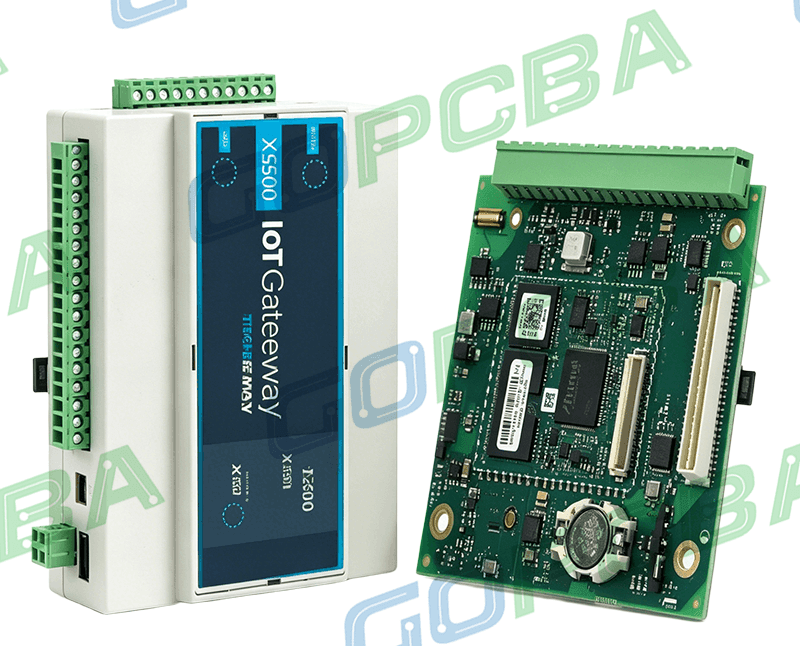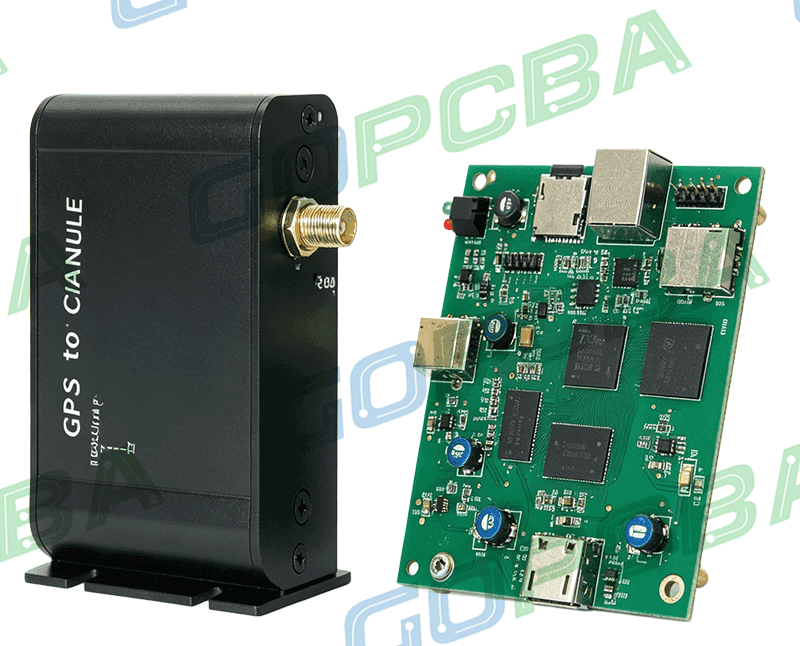
Flying Probe Testing for Prototypes How Flying Probe Testing Works A flying probe tester uses a small number of moving heads that travel to each test point in turn, contact the pad with a fine needle, and measure the electrical property being checked. Instead of a fixture with thousands of…
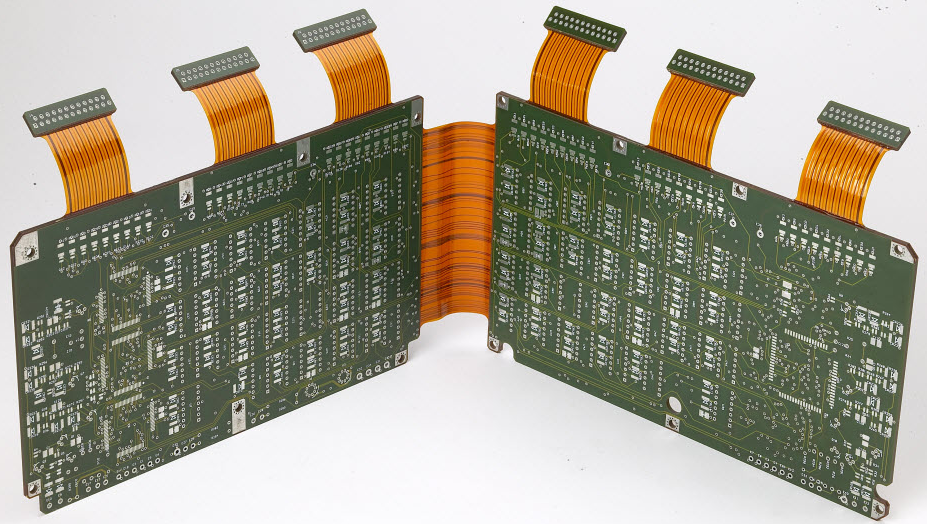
Panelization Choices for Assembly Why Panels Exist Placement machines, printers, and reflow conveyors are built around a panel size, not a single board. Panelization combines several boards into one array that fits the machine, is stiff enough to travel without flexing, and can be handled by the loader without damaging…
SMT BGA Reball Process: New Balls on an Old Package Modern electronics depend on boards that are assembled correctly the first time. Every product – a phone, a charger, a medical instrument or an industrial controller – relies on thousands of solder joints that must conduct current for years. This…
V Scoring and Board Separation What V Scoring Is V scoring cuts a shallow groove along both faces of a panel so that the individual boards can be snapped apart after assembly. The two opposing grooves leave a thin web of laminate in the middle that holds the panel together…
Controlled Impedance Testing and Verification Why Impedance Has to Be Verified Controlled impedance is a promise made by the stackup and kept or broken by the fabrication process. The design assumes a specific trace width, dielectric thickness, and dielectric constant for each signal layer, and the fabricator hits those targets…
SMT Selective Soldering Process: Soldering Only What Needs It Electronics manufacturing has become a discipline of small details. Solder paste volumes, placement accuracy, temperature profiles and inspection limits all add up to the final result. This guide looks at SMT selective soldering process from the perspective of a PCBA factory…
Voids and Bubbles in Conformal Coating What Coating Voids Are A void is a gap in a conformal coating where the film does not cover the surface, or where an air pocket is trapped within or beneath the film. Bubbles are the visible form: a raised blister in the coating,…
Underfill for Area Array Packages What Underfill Does Underfill is a filled epoxy that is dispensed along the edge of a mounted package and flows by capillary action into the gap between the package and the board, filling the space around every solder joint. Once cured, it mechanically couples the…
PCB Pin-in-paste Reflow Assembly: Through-Hole Parts in a Reflow Run Modern electronics depend on boards that are assembled correctly the first time. Every product – a phone, a charger, a medical instrument or an industrial controller – relies on thousands of solder joints that must conduct current for years. This…
Tin Whisker Growth on Plated Surfaces What Tin Whiskers Are A tin whisker is a thin, single-crystal filament of tin that grows out of a tin-plated surface. They are typically a few micrometres in diameter and can reach lengths in the hundreds of micrometres, sometimes several millimetres. They grow slowly,…