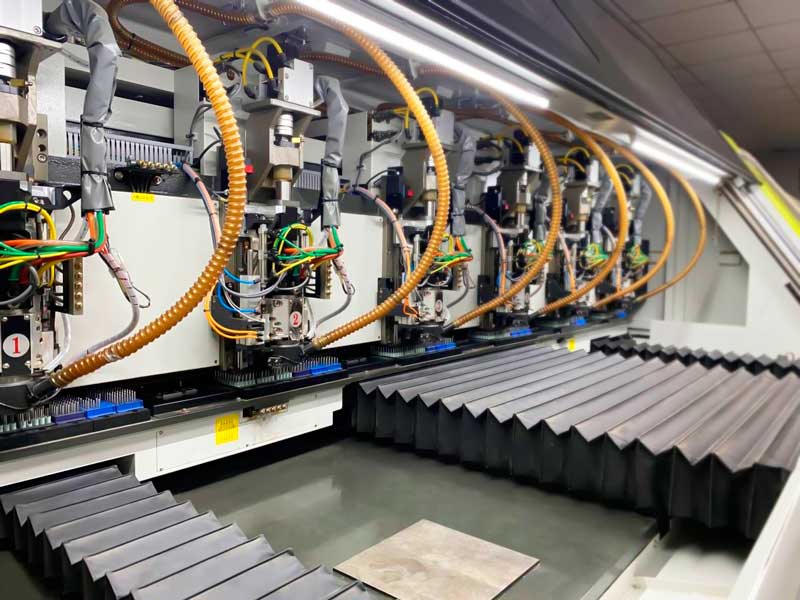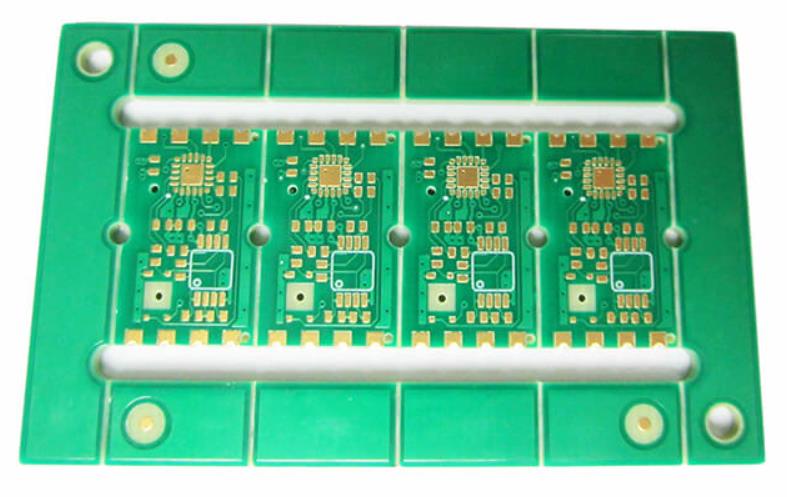
PCB Copper Trace High Frequency Loss: The Signal Lost in the Copper Electronics manufacturing has become a discipline of small details. Solder paste volumes, placement accuracy, temperature profiles and inspection limits all add up to the final result. This guide looks at PCB copper trace high frequency loss from the…
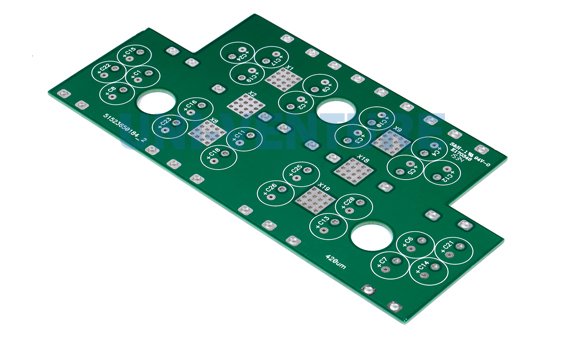
Solder Paste Volume: Why the Deposit Decides the Joint The Volume Is the Specification A solder joint is not made by the reflow oven or by the flux; it is made by the amount of solder that was printed on the pad before the component arrived. The paste consists of…
Solder Joint Voiding: Causes and Acceptance Limits What a Void Is and Why It Happens A void is a cavity inside a solder joint, filled with gas that was trapped as the solder solidified. It is not the same as insufficient solder, and it is not the same as a…
SMT Reflow Solder Joint Thermal Cycling: Heating and Cooling the Joint Modern electronics depend on boards that are assembled correctly the first time. Every product – a phone, a charger, a medical instrument or an industrial controller – relies on thousands of solder joints that must conduct current for years.…
Baking PCBs Before Assembly: Moisture and Popcorning Why Moisture Matters FR-4 and the other laminates used in boards are not impermeable. The resin absorbs water from the air, and the amount it holds depends on the relative humidity, the temperature and the time it has been exposed. At room conditions…
PCB Surface Finish Corrosion Resistance: How the Pad Survives the Air Electronics manufacturing has become a discipline of small details. Solder paste volumes, placement accuracy, temperature profiles and inspection limits all add up to the final result. This guide looks at PCB surface finish corrosion resistance from the perspective of…
PCB Cleaning After Assembly: Residues and Methods What Is Actually Being Removed When an assembly comes out of the reflow oven it carries more than solder. Flux residues, activators, metal salts, solder spheres, dust and, in a poorly controlled process, skin flakes and fibres are all sitting on the surface,…
SMT Component Placement Nozzle Size: The Tip That Fits the Part Buyers and engineers often focus on the finished product and forget the production line behind it. In practice, most field failures can be traced back to process decisions made during assembly. The same discipline applies to SMT Component Placement…
PCB Test Points: Design Rules for Assembly and Test Testability Is a Layout Decision By the time a board reaches the test department, the layout is frozen and the fixture can only touch what the designer exposed. That is why the test point decision has to be made during placement…
PCB Fiducials: Design and Placement Rules What a Fiducial Is For A fiducial is a small, sharply defined mark that a machine uses to find its position on a board. The stencil printer, the pick and place machine and the automated optical inspection system each need to know where the…