Ceiling Fan PCB Guide: Technology, Types and Cost
Ceiling fans have evolved far beyond simple spinning blades. In 2026, they are smart, energy-efficient home appliances, and the technology driving that change is the ceiling fan PCB. This small circuit board acts as the brain of every modern fan, controlling rotation speed, power consumption, and the connection to smart home systems. Whether you are a homeowner, a repair technician, or an electronics distributor, understanding ceiling fan PCB circuit board technology helps you buy, maintain, and upgrade fans with confidence. This guide covers the functions, components, types, working principles, prices, innovations, maintenance, and future trends of ceiling fan PCBs.
What Is a Ceiling Fan PCB?
A ceiling fan PCB is the control center inside a modern ceiling fan. It regulates motor speed, distributes power to the fan motor and lighting circuits, and supports smart features such as remote operation and voice control. Fan control design has moved a long way from the simple mechanical speed switches of older models. Today, a custom ceiling fan circuit board is built around a microcontroller that can talk to IoT platforms, receive commands from apps and voice assistants, and manage energy use in real time. In short, the PCB decides how fast the blades turn, how much electricity the fan consumes, and how conveniently users can control it.
Because the board lives inside the fan housing near a motor and, in many designs, near power mains, it must tolerate heat, vibration, and voltage fluctuations for years of service. That combination of electrical intelligence and mechanical endurance makes the ceiling fan motor control board a specialty product rather than a generic circuit board.
Core Functions of a Ceiling Fan PCB
The ceiling fan PCB does far more than turn a motor on and off, and each function affects performance, energy use, and safety. Precise speed regulation and motor control let the board adjust fan speed continuously instead of stepping through crude mechanical settings, which reduces wasted electricity and makes the airflow feel steadier. Energy saving and power optimization come from the onboard power management system, which can cut energy use by up to 20 percent in well-designed fans. Smart control and networking let premium models respond to remote controls, smartphone apps, and voice assistants such as Alexa and Google Home. Overload and surge protection keeps the motor safe when grid voltage fluctuates, protecting both the fan and the home wiring.
Key Components of a Ceiling Fan PCB Board
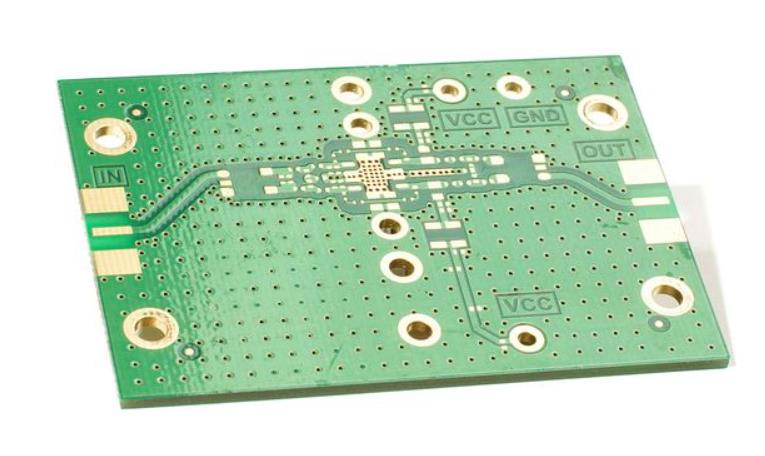
A replacement ceiling fan PCB board typically carries a well-defined set of parts, and each one has a clear job. The microcontroller is the brain that reads user commands and adjusts motor speed precisely. Capacitors and resistors stabilize voltage and current so the fan keeps running smoothly even when line voltage dips or spikes. Relays and switching modules change between speed levels safely while producing less heat than older mechanical switches. Temperature sensors are integrated into smart boards to watch operating temperature and slow or stop the fan automatically if it overheats. Heatsinks pull heat away from power components quickly, extending board life and preventing thermal damage.
Types of Ceiling Fan PCB
Buyers can choose from several types of ceiling fan PCB circuit boards depending on the product tier and target market. Standard boards deliver basic switching and speed control, and they are the budget-friendly choice for simple replacement needs. Smart ceiling fan PCBs add IoT connectivity, app control, and voice assistant integration, and they are common in premium residential and commercial fans. Energy-saving boards use advanced power management design to reduce consumption by 15 to 30 percent, which appeals to customers focused on efficiency and lower electricity bills. Custom boards are built for specific models, voltage ratings, or performance requirements, and they are the normal route for OEM and ODM projects. When a fan brand plans a custom program, working with a PCB manufacturing partner that supports volume customization from the start keeps lead times and costs predictable.
How a Ceiling Fan PCB Works
The working process inside a ceiling fan PCB happens in a continuous loop. Signal processing starts when the board receives commands from a wall switch, remote control, or app, and the microcontroller interprets the instruction. Voltage regulation follows, with capacitors and resistors ensuring the motor receives steady current so the blades do not jerk or stutter. Speed adjustment then changes motor power according to the command, producing smooth acceleration and deceleration. Safety protection is always active: short-circuit protection, overload protection, and automatic thermal shutdown guard the motor and the home. Finally, smart connectivity links newer boards to home Wi-Fi networks so users can set timers, control fans remotely, and give voice commands.
Ceiling Fan PCB Price Trends for 2026
Pricing for ceiling fan PCBs depends heavily on the type and feature set. Standard ceiling fan PCB circuit boards generally sell for about 8 to 15 dollars, while smart boards with IoT functions range from 18 to 35 dollars. Custom OEM pricing depends on design complexity, order volume, and material grade, and the main cost drivers are layer count, thermal performance, and certification requirements. Fans for humid outdoor areas may need conformal-coated boards, which add a little cost but protect against moisture and corrosion. For importers and distributors, unit price falls steadily as order volume rises, so it pays to consolidate designs with one supplier. gopcb offers competitive wholesale pricing with strict quality inspection for fan manufacturers and distributors worldwide.
Manufacturing and Assembly Considerations
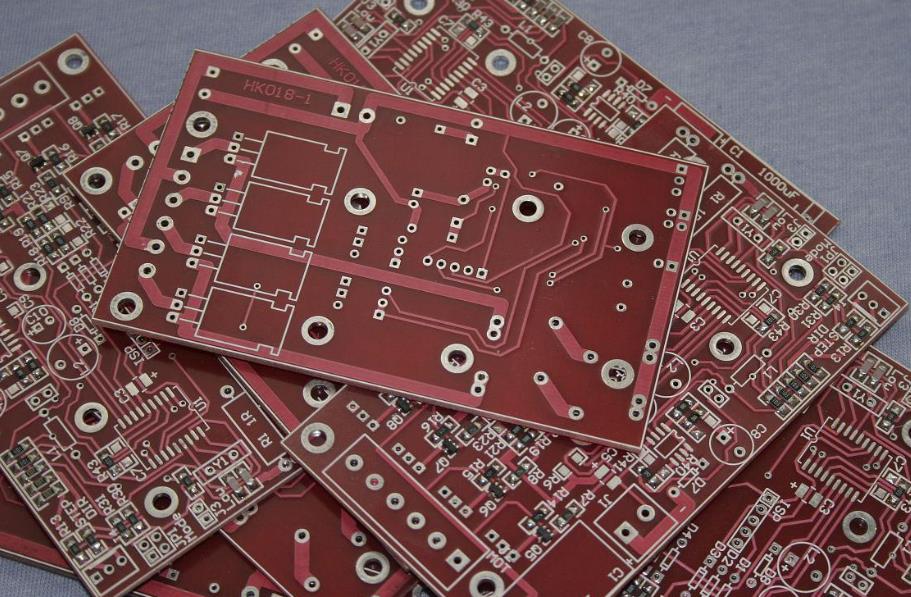
Producing a reliable ceiling fan control board involves both fabrication and assembly discipline. The bare board must handle the current drawn by the motor, so copper thickness and trace width are specified for the actual load rather than copied from a generic design. Assembly places the MCU, power components, and connectors on the board, and most fan control boards go through SMT PCB assembly for the small parts followed by selective or wave soldering for the through-hole power components. Testing matters just as much: functional tests verify each speed step, surge tests simulate grid disturbances, and thermal tests confirm the board survives prolonged motor heat. A supplier that documents these results for every batch, backed by structured PCBA testing, gives fan brands the evidence they need for warranty decisions and export certifications.
How to choose a ceiling fan PCB supplier: verify the factory’s experience with motor control boards and household appliances rather than general electronics, because mains-voltage design and safety certification require specialist knowledge. Check quality systems such as ISO 9001 and IPC standards, and ask for test reports that cover speed regulation, surge immunity, and thermal endurance. Confirm that the supplier can source components procurement for long product lifecycles, because fan brands often support models for a decade and need the same parts available years later. Compare lead times for prototypes and volume orders separately, and request a DFM review of the layout before tooling so problems are caught on screen rather than in the factory. The right partner keeps the whole program moving, from the first sample to steady monthly shipments.
New Technology in Ceiling Fan PCBs
Ceiling fan board technology keeps improving on two fronts: energy efficiency and convenience. AI-based energy optimization learns how a household uses the fan and adjusts operating patterns automatically, cutting waste without sacrificing comfort. Wireless and voice control now integrates smoothly with Alexa, Google Home, and Apple HomeKit ecosystems. Advanced thermal materials and layouts keep new boards cooler so components last longer under continuous operation. Sensor fusion is also appearing, where the board combines temperature, humidity, and occupancy data to decide when the fan should run and how fast.
Ceiling Fan PCB Problems and Troubleshooting
Common ceiling fan failures include overheating, failure to start, and unstable speed. In many cases, replacing a capacitor or relay solves the problem, and these are inexpensive repairs when the fault is a single component. For older fans with aging boards, replacing the entire ceiling fan PCB circuit board is usually faster and more reliable than chasing multiple faults. Intermittent behavior such as the fan responding only sometimes to the remote often points to a weak radio receiver or a failing power supply section on the board, both of which are easier to fix with a replacement module than with field repairs.
Maintenance Tips for Ceiling Fan PCBs
Simple habits keep ceiling fan electronics healthy for years. Clean the fan housing and blades regularly so dust does not block airflow and cause the motor, and the board, to run hotter than designed. Avoid using fans with exposed boards in humid rooms such as bathrooms unless the board has a conformal coating or a sealed housing. Check wiring and solder joints once a year, especially in coastal or dusty environments, because oxidation and corrosion are the most common silent killers of fan control boards. If a fan is rarely used for months, run it briefly every few weeks to keep capacitors formed and connectors clean.
Future Trends in Ceiling Fan PCB Technology
Future ceiling fan PCBs will emphasize sustainability and deeper home integration. Environmental materials are entering production, including recyclable and bio-based PCB substrates that reduce the carbon footprint of each fan. Solar and renewable energy compatibility is appearing, with boards able to integrate solar charging modules for off-grid and hybrid power systems. AI predictive maintenance lets smart boards detect degrading performance early and notify the owner through a phone app before a failure occurs. Whole-home energy integration will link fans with air conditioning, lighting, and battery storage so the house manages its energy as one system. Fans with these boards will not just move air; they will participate in the home energy network.
Frequently Asked Questions
Q1. How long does a ceiling fan PCB last? Most fan circuit boards serve 5 to 8 years on average, depending on usage frequency and environmental conditions such as humidity and heat.
Q2. Can I replace the ceiling fan PCB myself? Standard models are usually straightforward to replace, but smart boards should be installed according to the manufacturer instructions or by a qualified technician because they connect to mains power and home networks.
Q3. Are energy-saving ceiling fan PCBs worth buying? Yes: over the life of the fan, the reduced electricity use and smoother motor control more than offset the slightly higher board price.
Q4. Why does my smart fan stop responding to the app? Wi-Fi interference, an outdated firmware image, or a weak power supply on the board are the usual causes; updating firmware or checking the board power section usually restores control.
Conclusion
Ceiling fan PCB circuit board technology in 2026 is smarter, more efficient, and more durable than ever. Whether a project needs a standard replacement board, an energy-saving design, or a fully custom smart control module, the quality of the PCB determines how long the fan runs and how much electricity it wastes. Choosing an experienced manufacturer matters at every step, from layout review and material selection to assembly and testing. gopcb supports fan brands with the full flow: PCB design and layout help, prototyping, volume PCB assembly, and functional testing, so ceiling fans ship with boards their makers can stand behind.