Standard Work for Line Changeover
A changeover is a period during which the line produces nothing, and its length determines how small a batch can be run economically. Standard work for the changeover is what makes the duration repeatable, which is what allows a schedule to be planned.
The work is in the preparation rather than in the change itself. Most of the time is spent looking for a feeder, a stencil or a programme that should have been ready before the line stopped.
What Happens During a Changeover
The steps are the removal of the old setup, the installation of the new one, the loading of material and the first article. Each step has a duration that varies with how well it was prepared.
The variation is the problem rather than the average, because a schedule built on an average that is sometimes doubled will miss.
Internal and External Work
Work that can only be done while the machine is stopped is internal, and everything else is external. The first improvement is to move as much as possible to the external category.
Preloading feeders, staging material and verifying the programme are all external, and each removes time from the stop. This is the classic approach to setup reduction and it applies directly to an SMT line.
Kitting and Feeder Carts
A kit that is complete before the change removes the search, and a feeder cart that is preloaded and verified removes the setup of the feeders themselves. The cart is prepared while the line is still running.
The kit should be checked against the bill of materials, and any shortage identified before the line stops. A kit that is 95 percent complete still stops the line for the missing five percent.
Programme and Tooling Readiness
The machine programme, the stencil, the carrier and the inspection programme all need to be available and correct. A programme that is loaded but not verified produces a first article failure and a second changeover.
The tooling should be stored with its product identification visible, so that it can be found without a search. This is described for the panel tooling as much as for the stencil.
Roles and Sequence
Standard work defines who does what and in which order, which allows two people to work without interfering. The sequence should be written and used rather than remembered.
The written sequence is also the basis for improvement, since a step that can be reordered or eliminated is visible only when it is written down.
First Article
The changeover ends when the first article is verified, and the verification should be defined in advance so that it does not become an investigation. The practice is described for first article checks.
Where the first article fails, the changeover restarts, which is why verification of the programme and the kit before the stop is worthwhile.
Measuring the Changeover
The duration should be measured and recorded for each change, with the reason for any variance. The measurement is what shows whether the standard work is being followed and whether it is correct.
The data should also distinguish the phases, since a change that is short in setup and long in first article has a different cause from the reverse.
Improvement
The improvement comes from removing steps, moving work outside the stop and preparing earlier. Each change should be tested and the duration measured, so that the effect is known.
Reducing changeover time directly increases the capacity of the line and allows smaller batches, which is the mechanism described for line balance.
Records
The records should include the duration by phase, the product, and any issue that caused a delay. Over several months, the record shows which preparation step fails most often.
They belong with the production data described for scheduling data.
Process Control and Verification
On a design of this kind, kitting is the item that decides how the rest of the board is arranged. Keeping a sample from the panel turns a dispute into a measurement, because the same coupon can be re-examined by both parties without rebuilding the batch. Reviewing the design before the data is released is cheaper than correcting it after the panel is in the tank, because every step downstream inherits the decision made at the front end.
Documenting the assumption is part of the design work, and a short note on the drawing prevents a question that would otherwise arrive a day later and cost a day of schedule. The process window is set by the narrowest step in the flow, so an improvement anywhere else shows up as margin rather than as yield until that step is addressed.
A short note on the drawing about handling, storage or packaging is often worth more than an extra decimal place on a tolerance. Where a value sits close to a process limit, the drawing should say so, since the shop can then open the process window rather than working to a nominal figure that carries no tolerance.
A stack-up that is drawn rather than described removes most of the ambiguity from a quotation, and it lets the fabricator price the board against the dielectric and copper weights that will actually be used.
Process Control and Verification
On a design of this kind, kitting is the item that decides how the rest of the board is arranged. Keeping a sample from the panel turns a dispute into a measurement, because the same coupon can be re-examined by both parties without rebuilding the batch. Reviewing the design before the data is released is cheaper than correcting it after the panel is in the tank, because every step downstream inherits the decision made at the front end.
Documenting the assumption is part of the design work, and a short note on the drawing prevents a question that would otherwise arrive a day later and cost a day of schedule. The process window is set by the narrowest step in the flow, so an improvement anywhere else shows up as margin rather than as yield until that step is addressed.
Process Control and Verification
On a design of this kind, kitting is the item that decides how the rest of the board is arranged. Keeping a sample from the panel turns a dispute into a measurement, because the same coupon can be re-examined by both parties without rebuilding the batch. Reviewing the design before the data is released is cheaper than correcting it after the panel is in the tank, because every step downstream inherits the decision made at the front end.
Process Control and Verification
On a design of this kind, kitting is the item that decides how the rest of the board is arranged. Keeping a sample from the panel turns a dispute into a measurement, because the same coupon can be re-examined by both parties without rebuilding the batch. Reviewing the design before the data is released is cheaper than correcting it after the panel is in the tank, because every step downstream inherits the decision made at the front end.
A first article check confirms that the process and the drawing agree on the points listed above, and that the coupon data supports the values used in the design.
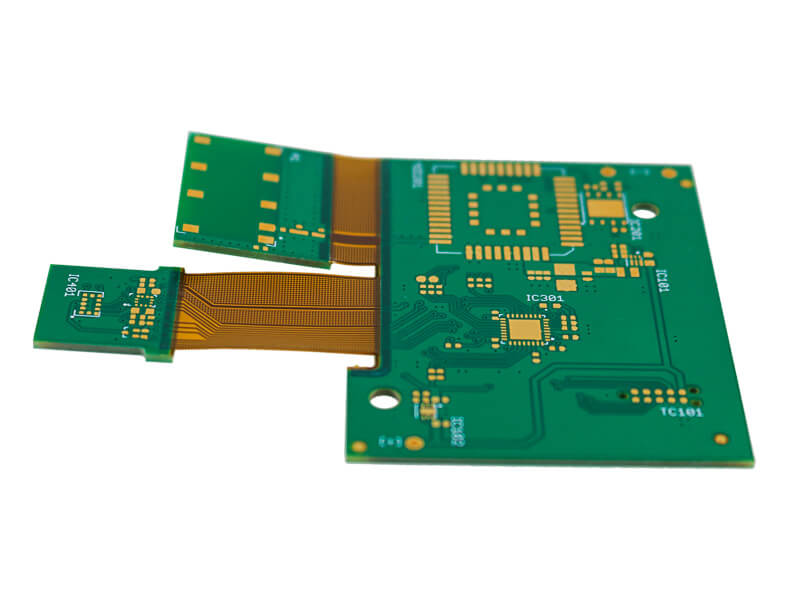
Where a measurement falls outside the expected window, the sample is retained so that the cause can be established before the balance of the batch is released.
A first article check confirms that the process and the drawing agree on the points listed above, and that the coupon data supports the values used in the design.
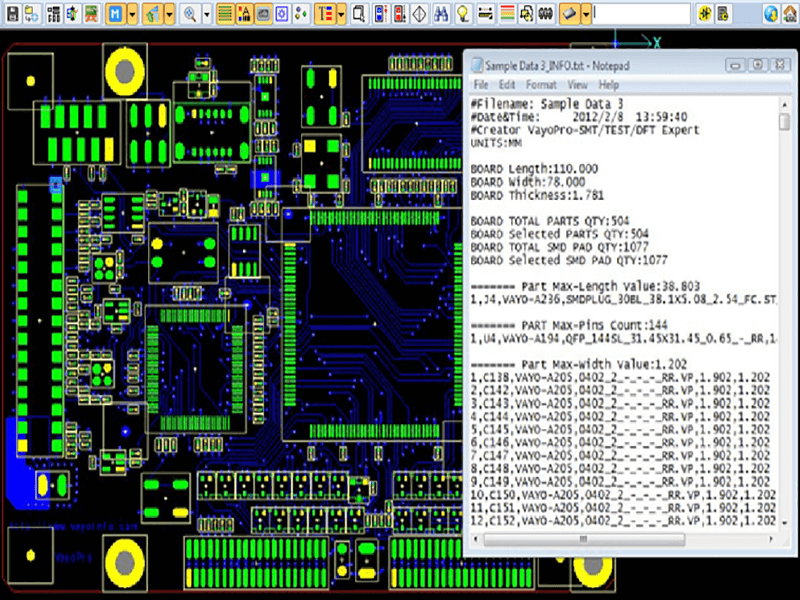
Where a measurement falls outside the expected window, the sample is retained so that the cause can be established before the balance of the batch is released.
FAQ
What is the largest part of a changeover? Usually the search for material and tooling, which is why kitting and staging give the largest improvement.
How many people should perform a change? As many as the standard work defines, since adding people without a sequence creates interference.
Should the first article be part of the changeover time? It should be measured, and it is often reported separately so that the causes can be distinguished.
How is improvement verified? By comparing the measured duration before and after, for the same product and the same team.