Copper-Based PCB: PCB Design, PCB Manufacturing, Types, Benefits & Applications
Printed circuit boards (PCBs) are the foundation of virtually every modern electronic device. Standard PCBs are commonly manufactured using fiberglass-reinforced substrates such as FR-4, but applications involving high power, high heat, and demanding reliability may require a different approach.
A Copper-Based PCB is designed to take advantage of copper’s excellent electrical and thermal properties. Copper provides high electrical conductivity, efficient heat spreading, good mechanical strength, and reliable performance under demanding operating conditions.
As electronic systems become smaller while power density continues to increase, copper-based PCB technology is becoming increasingly important in power electronics, automotive systems, LED lighting, industrial equipment, renewable energy, aerospace electronics, and other high-performance applications.
This article explains the structure, types, properties, advantages, applications, challenges, and design considerations of copper-based PCBs. It also compares copper-core PCBs with aluminum-core and FR-4 boards to help engineers select the appropriate technology for their projects.
What Is a Copper-Based PCB?
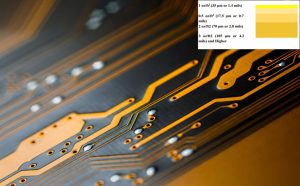
A copper-based PCB generally refers to a circuit board that uses copper as a major structural or thermal component. In particular, a Copper Core PCB uses a solid copper core as the primary heat-spreading and mechanical-support layer.
This structure is different from a conventional FR-4 PCB, where fiberglass-reinforced epoxy laminate provides the main structural substrate.
It is also important to distinguish between several terms that are sometimes used interchangeably:
- Copper Core PCB: A PCB that contains a solid copper core, typically serving as a thermal and structural base.
- Copper-Clad PCB: A PCB substrate covered with copper foil to form conductive circuitry. Almost all conventional PCBs are copper-clad in some form.
- Copper-Plated PCB: A PCB whose conductive surfaces or plated holes receive deposited copper during manufacturing.
- Heavy Copper PCB: A PCB manufactured with significantly thicker copper layers to support high current and thermal requirements.
These technologies can overlap. For example, a copper-core PCB can also incorporate heavy copper circuitry.
Unlike standard FR-4 boards, copper-core designs provide a highly conductive thermal path and are therefore particularly useful where efficient heat dissipation and high current capacity are essential.
Copper-Based PCB Structure

The structure of a copper-based PCB depends on the application, but a typical copper-core design consists of a copper core, dielectric layer, copper circuit layer, and surface finish.
1. Copper Core
The copper core serves as the primary thermal-spreading and mechanical layer.
Copper has a thermal conductivity of approximately 400 W/m·K, depending on its grade and purity. This makes it highly effective at transferring heat away from high-power components.
Copper-core thickness varies according to the electrical, thermal, mechanical, and weight requirements of the application. Unlike a universal fixed thickness, the appropriate copper-core thickness should be determined during PCB Design and thermal analysis.
2. Dielectric Layer
The dielectric layer electrically isolates the circuit layer from the copper core while providing a controlled thermal path.
For copper-core metal-core PCBs, the dielectric material is normally engineered to provide both adequate electrical insulation and relatively high thermal conductivity.
Typical thermal conductivity varies considerably according to the dielectric material and supplier specification. Therefore, designers should evaluate thermal resistance, dielectric strength, thickness, and reliability rather than focusing only on thermal conductivity.
3. Copper Circuit Layer
The outer copper foil forms the conductive traces, pads, and other electrical features.
Copper is widely used because of its excellent electrical conductivity and compatibility with standard PCB fabrication and soldering processes.
Depending on the application, circuit copper may range from standard foil thicknesses to heavy-copper configurations capable of carrying substantially higher current.
4. Surface Finish
A surface finish protects exposed copper from oxidation and provides a suitable surface for soldering and component assembly.
Common options include:
- ENIG
- ENEPIG
- HASL
- Lead-free HASL
- OSP
- Immersion silver
- Immersion tin
The appropriate finish depends on component pitch, assembly process, storage requirements, reliability targets, and project cost.
Copper-Based PCB Manufacturing
The general PCB Manufacturing process for copper-core boards shares many similarities with conventional PCB fabrication. However, the copper core introduces additional considerations during machining, lamination, drilling, routing, and thermal management.
Machining parameters must be carefully controlled because copper is mechanically different from standard FR-4 laminate.
In addition, the interface between copper, dielectric material, and circuit copper must maintain reliable adhesion throughout thermal cycling and long-term operation.
For heavy-copper or multilayer copper-core designs, manufacturers may also need specialized processes for copper pattern formation, plating, etching, and dimensional control.
Types of Copper-Based PCBs
Copper-based PCB technology includes several different structures and configurations.
1. Standard Copper PCB
A standard PCB typically uses copper foil for its conductive circuitry. A commonly used copper thickness is 1 oz/ft², equivalent to approximately 35 μm.
Standard copper circuitry is found in computers, communication equipment, consumer electronics, industrial controls, and many other electronic products.
However, a standard copper-clad PCB should not automatically be classified as a copper-core PCB. The distinction lies in whether copper forms the structural or thermal core of the board.
2. Heavy Copper PCB
A Heavy Copper PCB uses significantly thicker copper layers than conventional circuit boards.
Copper thickness may range from several ounces to much greater values depending on the application and manufacturing capability.
Heavy copper PCBs are designed for high-current and high-power applications such as:
- Power supplies
- Motor controllers
- Battery systems
- Industrial power equipment
- Inverters
- Power distribution systems
- Renewable energy equipment
The thicker copper improves current-carrying capability and can also improve heat spreading, although thermal performance depends on the complete board structure.
3. Ultra-Heavy Copper PCB
Ultra-heavy copper PCBs use exceptionally thick copper layers for specialized high-current applications.
They may be considered for demanding power-distribution systems, industrial equipment, energy systems, and other applications where very high current capacity is required.
The exact current capability cannot be determined from copper weight alone. Trace width, temperature rise, conductor geometry, board construction, cooling conditions, and application requirements must also be considered.
4. Copper-Core MCPCB
A Metal Core PCB (MCPCB) can use copper as its core material.
Copper-core MCPCBs provide excellent thermal conductivity and are especially useful in high-power LED modules, power converters, automotive electronics, and other applications with demanding thermal requirements.
Compared with aluminum-core MCPCBs, copper-core designs generally provide a more conductive thermal path but usually involve greater material cost and weight.
5. Flexible Copper PCB
Flexible PCBs use thin copper conductors on flexible substrates such as polyimide.
These should not be confused with solid copper-core boards. Instead, flexible copper circuits use copper primarily as the conductive layer while the polyimide substrate provides flexibility.
They are widely used in wearable electronics, compact displays, cameras, medical devices, and applications where circuits must bend, fold, or move.
Key Properties of Copper-Based PCBs
Copper-based PCBs offer several properties that make them suitable for demanding electronic systems.
High Thermal Conductivity
Copper has a thermal conductivity of approximately 398–400 W/m·K at room temperature, depending on material grade.
This enables heat to move rapidly away from high-power components and into larger thermal structures.
Excellent Electrical Conductivity
Copper has very low electrical resistivity and is one of the most widely used conductor materials in electronics.
Its high conductivity helps reduce I²R losses and supports high-current power distribution.
Strong Mechanical Performance
A copper core can provide significant mechanical stiffness and structural support.
This can be beneficial for applications exposed to vibration, thermal cycling, mechanical stress, or heavy components.
Good Solderability
Copper is compatible with common soldering processes when an appropriate surface finish is applied.
The surface finish protects exposed copper and provides a stable interface for component assembly.
Corrosion Resistance With Proper Protection
Bare copper can oxidize when exposed to air and moisture. Appropriate surface finishes, protective coatings, and controlled storage can help maintain copper surface quality and solderability.
Therefore, copper should not be described as inherently corrosion-proof. Environmental protection remains important, especially for outdoor, automotive, industrial, and marine applications.
Advantages of Copper-Based PCBs
The properties of copper directly translate into several potential advantages for high-performance electronics.
1. Improved Thermal Management
Efficient heat transfer is one of the most important advantages of copper-core PCB technology.
High-power components generate substantial heat during operation. If this heat cannot be removed efficiently, junction temperature can rise and reduce component performance or service life.
A copper thermal core provides a highly conductive path for transferring heat away from critical components.
This makes copper-based structures particularly attractive for:
- High-power LEDs
- Power converters
- Motor drives
- EV electronics
- Industrial power systems
- Renewable energy equipment
2. Higher Current-Carrying Capability
Thicker copper conductors can carry more current without requiring excessively narrow routing structures.
This allows designers to handle higher current within a relatively compact board area.
However, current capacity depends on more than copper thickness. Trace width, allowable temperature rise, ambient temperature, copper placement, cooling conditions, and PCB geometry should all be considered.
3. Improved Durability and Reliability
Copper-core structures can provide excellent mechanical support and thermal stability.
Properly designed boards can withstand demanding thermal and mechanical conditions while maintaining reliable electrical connections.
Reliability nevertheless depends on the entire material stack-up and manufacturing process rather than the copper core alone.
4. Higher Power Density
Efficient thermal management allows designers to place high-power components closer together when the complete thermal design supports it.
This can help reduce system size while maintaining required electrical and thermal performance.
5. Potentially Longer Product Service Life
By controlling operating temperature and reducing thermal stress, copper-based PCB structures can contribute to longer component and system service life.
This is particularly important for products that operate continuously or are difficult to service after installation.
Applications of Copper-Based PCBs
Copper-based PCB technology is used across industries where heat dissipation, current capacity, mechanical strength, or reliability is important.
High-Power Electronics
Copper-based and heavy-copper PCBs are commonly used in:
- Inverters
- DC-DC converters
- AC-DC power supplies
- Motor controllers
- Battery-management systems
- Power distribution modules
Their combination of high current capacity and thermal performance makes them suitable for demanding power electronics.
LED Lighting Systems
High-power LEDs convert a significant portion of electrical energy into heat.
Copper-core MCPCBs can provide an efficient thermal path from the LED package into the board and subsequently into a heatsink or other cooling structure.
Applications include:
- Street lighting
- Automotive lighting
- High-power industrial lighting
- Display backlighting
- Architectural lighting
Automotive and Electric Vehicles
Modern vehicles contain increasingly sophisticated electronic systems.
Copper-based and heavy-copper structures can be used in power distribution, battery systems, motor-control electronics, charging equipment, power converters, and other high-current applications.
For EV systems, thermal management and electrical efficiency are especially important because electronic power systems may operate at high current and elevated temperature.
Industrial Equipment
Robotics, industrial automation systems, motor drives, factory equipment, and heavy machinery can require reliable high-current circuit structures.
Copper-based PCBs can provide the electrical and mechanical characteristics needed for these demanding environments.
Aerospace and Defense Electronics
Aerospace systems can be exposed to vibration, temperature changes, and demanding reliability requirements.
Copper-based PCB structures may be used in power-management systems, avionics, radar-related electronics, navigation equipment, and other specialized applications.
The final material selection should always be based on the specific environmental, weight, thermal, and qualification requirements of the system.
Renewable Energy Systems
Solar inverters, energy-storage systems, wind-power electronics, and power-conversion equipment often require high-current PCB structures.
Copper-based and heavy-copper designs can support power distribution and thermal management in these systems.
Medical Electronics
Medical equipment can require stable electrical performance, compact packaging, and reliable thermal management.
Copper-based structures may be used in power electronics, diagnostic equipment, imaging systems, and other specialized medical electronics.
Challenges and Design Considerations for Copper-Based PCBs
Although copper-based PCBs offer significant benefits, engineers must also consider several disadvantages.
1. Higher Material Cost
Copper is generally more expensive than common FR-4 laminate and aluminum-core materials.
The cost can increase further when thicker copper, large copper cores, specialized dielectric materials, or complex multilayer structures are required.
2. Manufacturing Complexity
Thick copper and copper-core construction require careful process control.
Challenges may include:
- Copper etching
- Drill wear
- Mechanical machining
- Lamination
- Layer registration
- Copper plating
- Thermal expansion
- Via formation
- Surface flatness
Manufacturers must optimize process parameters according to the board construction.
3. Increased Weight
Copper is significantly denser than aluminum and FR-4.
This can make copper-core PCBs unsuitable for applications where minimum system weight is a primary requirement.
Aerospace, portable electronics, and certain battery-powered systems may therefore require a careful trade-off between thermal performance and weight.
4. Thermal Expansion Compatibility
Copper and PCB dielectric materials have different coefficients of thermal expansion (CTE).
During repeated heating and cooling, this mismatch can generate mechanical stress.
For multilayer designs, engineers should consider CTE behavior, copper distribution, via reliability, dielectric properties, and thermal cycling requirements.
5. Design and Manufacturing Cost Optimization
Copper thickness should be selected according to actual electrical and thermal requirements.
Using an unnecessarily thick copper layer can increase material and manufacturing costs without delivering meaningful performance benefits.
Therefore, early collaboration between the PCB designer and manufacturer is important.
Copper PCB vs. Aluminum PCB vs. FR-4 PCB
Copper-core, aluminum-core, and FR-4 PCBs each have different performance characteristics.
| Property | Copper-Core PCB | Aluminum-Core PCB | FR-4 PCB |
|---|---|---|---|
| Typical thermal conductivity of core/material | ~400 W/m·K for copper | ~150–230 W/m·K depending on alloy | Typically ~0.2–0.4 W/m·K for standard FR-4 |
| Weight | High | Lower than copper | Moderate |
| Material cost | High | Low to moderate | Low to moderate |
| Electrical insulation | Requires dielectric layer | Requires dielectric layer | Inherent within laminate system |
| Thermal performance | Excellent | Good to excellent depending on construction | Relatively low |
| Mechanical rigidity | High | High | Good |
| Typical applications | High-power electronics, power conversion, demanding thermal systems | LED lighting, power supplies, automotive electronics | General electronics, computing, communications, control systems |
Copper-Core PCB
Advantages:
- Excellent heat spreading
- Very high electrical conductivity
- High current-carrying potential
- Strong mechanical support
- Suitable for demanding thermal applications
Disadvantages:
- Higher material cost
- Higher weight
- More demanding machining and manufacturing
Typical applications:
Power electronics, inverters, EV power systems, industrial equipment, and high-power thermal applications.
Aluminum-Core PCB
Advantages:
- Lower weight than copper
- Lower material cost
- Good thermal performance
- Suitable for many LED applications
Disadvantages:
- Lower thermal conductivity than copper
- More limited thermal performance for extremely demanding applications
- Construction options depend on the selected MCPCB technology
Typical applications:
LED lighting, power supplies, automotive lighting, and cost-sensitive thermal applications.
FR-4 PCB
Advantages:
- Cost-effective
- Widely available
- Excellent design flexibility
- Suitable for multilayer construction
- Broad manufacturing ecosystem
Disadvantages:
- Much lower thermal conductivity than copper
- Requires additional thermal-management strategies for high-power applications
- Temperature capability depends strongly on the selected FR-4 material grade
Typical applications:
Computers, communication equipment, consumer electronics, industrial controls, and general-purpose electronic systems.
How to Choose a Copper-Based PCB Manufacturer
Selecting an appropriate Copper PCB Manufacturer is critical when developing high-current or high-thermal-performance circuit boards.
Consider the following factors:
- Manufacturing capability: Confirm that the manufacturer can support the required copper thickness, copper-core construction, board size, layer count, and tolerances.
- Heavy-copper experience: If your project uses thick copper, verify that the supplier has experience with heavy-copper fabrication and the associated etching and plating requirements.
- Thermal design support: The manufacturer should be able to discuss dielectric thickness, thermal resistance, copper distribution, and other thermal considerations.
- Quality control: Ask about inspection procedures such as AOI, electrical testing, X-ray inspection where applicable, dimensional inspection, and process monitoring.
- Material selection: Verify that the proposed copper, dielectric, laminate, and surface-finish materials match the application’s operating conditions.
- Prototype and production capability: Make sure the supplier can support your expected prototype quantity and production volume.
- Lead time: Compare manufacturing lead time with your product development schedule.
- Cost transparency: Evaluate the total manufacturing cost, including tooling, testing, materials, shipping, and potential yield-related costs.
- Engineering support: A capable supplier should be able to identify DFM issues before production and recommend practical alternatives where appropriate.
Kingda can support customized PCB projects involving copper-based structures, heavy copper, metal-core PCB solutions, and other high-performance circuit-board requirements. Early communication between the engineering team and manufacturer can help optimize copper thickness, thermal design, manufacturability, and overall project cost.
Conclusion
Copper-Based PCB technology provides an effective solution for electronic products that require high thermal performance, strong electrical conductivity, high current capacity, and reliable mechanical performance.
Copper-core PCBs are particularly valuable in high-power electronics, LED lighting, automotive systems, electric vehicles, industrial equipment, renewable energy systems, aerospace electronics, and specialized medical devices.
However, copper is not automatically the best material for every PCB. Its higher cost and weight must be balanced against its excellent thermal and electrical properties. Engineers should evaluate power requirements, thermal resistance, operating temperature, board dimensions, weight limitations, manufacturing capability, and total system cost before selecting the appropriate PCB structure.
It is also important to distinguish a Copper Core PCB from a copper-clad or copper-plated PCB. A copper-core board uses copper as a structural or thermal core, while conventional PCBs can use copper foil simply as the conductive layer on another substrate.
For demanding applications, successful PCB Design and PCB Manufacturing depend on selecting the correct copper structure, dielectric system, copper thickness, thermal-management strategy, and manufacturing process. With careful engineering and an experienced manufacturing partner such as Kingda, copper-based PCB technology can provide a reliable foundation for high-performance electronic systems.
Google SEO TDK
SEO Title:
Copper-Based PCB: PCB Design, PCB Manufacturing, Types & Applications
Meta Description:
Learn about copper-based PCBs, including copper-core PCB structure, heavy copper PCB technology, benefits, properties, applications, design considerations, and manufacturing challenges.
Meta Keywords:
Copper-Based PCB, Copper Core PCB, PCB Design, PCB Manufacturing, Heavy Copper PCB, Copper PCB Manufacturer, Metal Core PCB, Copper PCB, Copper PCB Manufacturing