CPU PCB Assembly: Handling Processors on SMT Lines
Modern electronics depend on boards that are assembled correctly the first time. Every product – a phone, a charger, a medical instrument or an industrial controller – relies on thousands of solder joints that must conduct current for years. This article explains CPU PCB assembly in plain language: what it is, why it matters in assembling CPU and processor boards with SMT, and how a contract PCBA factory keeps it under control so that products ship without surprises.
Processor Packages on the Line
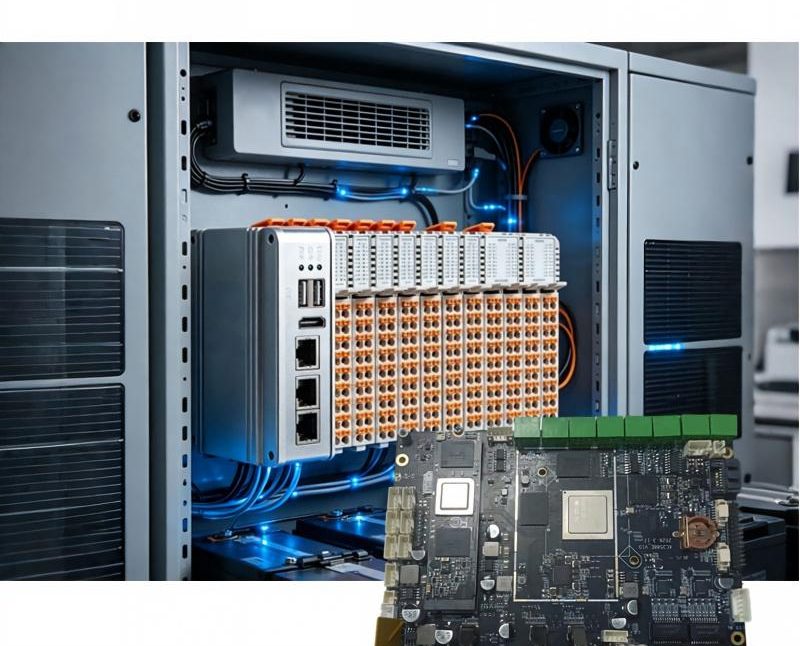
Processors reach the assembly line in demanding packages: large BGAs with thousands of balls, land grid arrays that may be socketed, and high pin count QFPs for lower cost designs. All of them need precise placement, controlled reflow and clean handling, because a single shifted processor is expensive to detect and replace. The power delivery and decoupling capacitors around the chip add hundreds of small parts that the line must place with equal care.
Design and Process Considerations
Processor boards carry many power rails, each with its own capacitors and inductors, and the layout must keep high speed signals short and shielded. On the line, the board support must be flat under the large package, the paste volume must suit thousands of pads, and the reflow profile must stay within the component limits. Moisture sensitivity applies to every processor, so storage, floor life and baking are logged for each reel and tray.
Testing Processor Assemblies
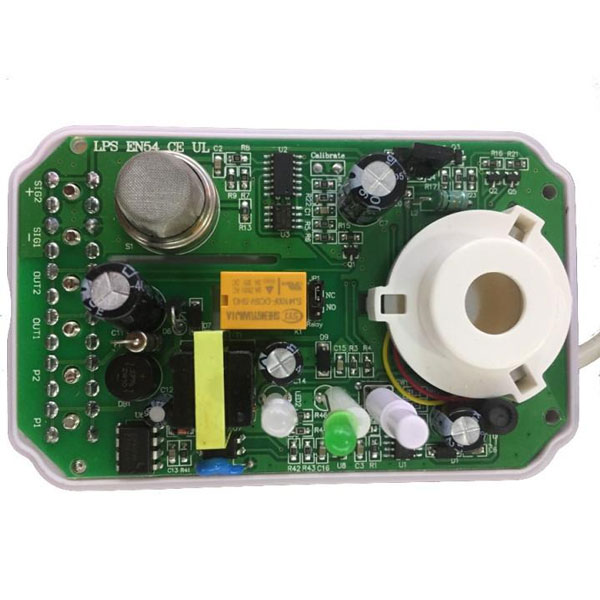
A processor board is only proven when it runs: power rails measured under load, memory exercised, clocks checked and interfaces communicating at full speed. Functional test fixtures for these boards are elaborate, so test coverage is planned during design. Buyers should confirm that the factory can power and test their processor board to the product specification, because visual inspection and basic continuity will never catch a marginal power supply or a cold solder joint under a large BGA.
Assembly Steps in Practice
Practical control of the process starts with setup discipline. Operators verify the program, the tooling and the materials before the first board runs, and engineers monitor parameters during production rather than waiting for the end of the batch. Paste volumes, placement offsets and oven temperatures are compared with the specification, and deviations are corrected while they are still small. That routine keeps turnkey PCB assembly predictable even when the product mix changes.
Quality Checks That Keep Defects Away
First article inspection plays a special role at the start of every order. The first board is checked against the design in detail: component values, orientation, polarity and solder quality are verified before the line continues, which prevents an entire batch from inheriting a setup error. After the run, every board passes automated optical inspection, and samples move on to electrical test so the solder joints and the circuit are both proven before packing; this combination is the core of a practical PCBA testing plan.
Traceability turns good intentions into proof. The factory records which program ran, which reels of paste and components were used, which operator handled the job and what the inspection found. When a field return arrives six months later, that record is the fastest way to find the cause, and it is the clearest evidence that a documented quality management system is working.
Where These Boards Are Used
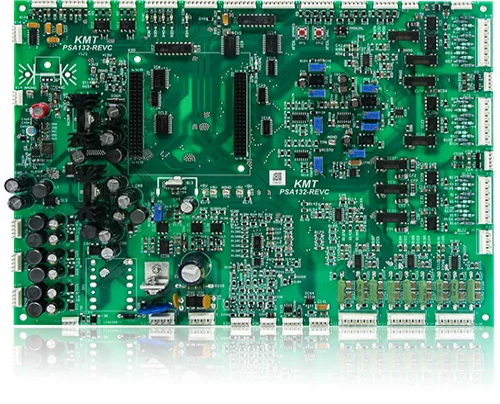
Assembled boards built with a well controlled process serve every industry: computer, networking, industrial and embedded electronics manufacturers. The same core disciplines apply across all of them, but each market adds its own expectations. Consumer products need low cost and fast ramp, medical products demand documentation and traceability, automotive boards must survive vibration and temperature extremes, and industrial electronics value long service life and easy repair.
Working With an Assembly Partner
Most boards today are built by specialists rather than in house. The investment in printers, placement machines, reflow ovens and inspection equipment is large, and the engineering time needed to keep the process stable is easy to underestimate. A manufacturing partner spreads that cost over many programs and brings the same discipline to every customer, with supporting services such as mixed technology PCB assembly and rapid PCBA prototyping available from a single source.
The choice between suppliers comes down to behavior under pressure: how a factory reacts to a design question, a component shortage or a quality issue tells more than its brochure. Ask for defect data, test coverage and customer references, and confirm the quality plan in writing before you commit a program.
Practical Points Worth Knowing
Documentation matters as much as hardware when it comes to assembling CPU and processor boards with SMT. The factory should record which program ran, which reels of paste and components were used, which operator handled the batch and what the inspection found. When a field return arrives months later, that record is the fastest way to identify the cause and to prove that the fix reached the next batch. Buyers should ask for these records as a routine part of every order, because documents that are easy to produce on request are usually also kept honestly during production.
Nothing about assembling CPU and processor boards with SMT is decided once and forgotten. Parameters drift, materials change and operators rotate, so the factory reviews its data continuously, ranks the top defects and removes them one by one. Factories that follow this discipline gradually lower their defect rates and shorten their lead times, while factories without data simply repeat the same mistakes at the same cost. The improvement review should happen at least monthly, with the same attendees and the same metrics, so progress stays visible and no problem waits for a crisis to be fixed.
The best factories treat assembling CPU and processor boards with SMT as a system rather than a checklist. Every decision, from stencil cleaning frequency to test coverage, connects to the others, so a change in one area is checked against its effect on the rest. A faster placement speed may save time today and create tombstoning tomorrow, and a thicker stencil may fix opens while causing bridges. That systems view, supported by data from inspection and test, is what turns a capable line into a predictable one over years of production.
Communication decides how well assembling CPU and processor boards with SMT matches the product intent. When the buyer shares the operating environment and the reliability target, and the factory answers with concrete process choices and test plans, small process changes are approved before they become quality incidents. Regular reporting during production keeps both sides aligned from prototype to volume, and a written summary of every change gives both parties a record they can trust at the end of the program.
Collecting data about assembling CPU and processor boards with SMT pays for itself quickly. Print reports, placement statistics, oven profiles and test results cost little to record, yet they turn arguments into decisions: when a customer complains, the batch record shows what actually happened, and when a process drifts, the trend line reveals it before scrap grows. Factories that treat records as part of the process rather than paperwork tend to find problems while they are still cheap to fix, and their customers see the difference in delivery performance and defect rates over time.
Working With gopcb on Your Project
gopcb runs SMT lines supported by solder paste inspection, automated optical inspection and functional test in one facility. Our engineers review your Gerber files and BOM before production, discuss the process options, and ship boards with test records that give you confidence in the field.
If you are planning a new product or moving an existing design to volume production, send gopcb your design files and requirements. You will receive a DFM review, a clear quotation and a schedule you can plan around – and boards that work the way they should.