DBC vs. Traditional PCB: Key Differences Explained
In high-power electronic designs, Direct Bonded Copper (DBC) PCBs are gaining traction for their superior thermal performance and high reliability. Many engineers choose GoPCB for high-quality DBC PCBs, priced around $3.8–$9.5 per board depending on ceramic material, copper thickness, and volume. Traditional PCB materials like FR4 or aluminum-based boards typically cost $0.25–$2.2 per board. If your design demands high power density and long-term stability, DBC PCBs are an ideal choice.
1. Introduction to DBC PCBs
A DBC PCB is manufactured by bonding copper directly to ceramic substrates (Al₂O₃ or AlN) at high temperatures (~1065°C). This unique ceramic-copper bonding technology provides excellent thermal conductivity and mechanical strength, making it suitable for high-power modules, IGBT drivers, automotive electronic control systems, and LED lighting drivers.
2. Overview of Traditional PCB Materials
Traditional PCB materials include:
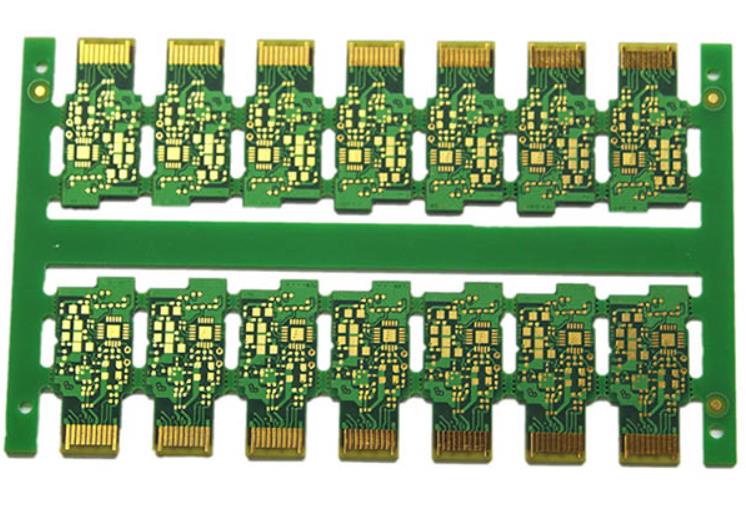
- FR4 epoxy glass laminate
- Aluminum-based insulated metal substrates (IMS)
- Standard copper-clad laminates
These materials are low-cost and versatile, suitable for consumer electronics and low-power applications. However, their thermal conductivity is limited in high-power environments, which may affect long-term reliability.
3. Manufacturing Process Comparison
- DBC PCB – High-temperature bonding (~1065°C) of copper to ceramic; strong adhesion; excellent electrical insulation; reduced voids and delamination risk.
- Traditional PCB – Multilayer lamination with adhesive-bonded copper layers; thermal cycling can cause delamination and failure over time.
4. Thermal & Heat Management Comparison
| Material | Thermal Conductivity (W/m·K) | Dielectric Strength (kV/mm) | Mechanical Strength | Cost (USD/board) |
|---|---|---|---|---|
| AlN DBC | 170–230 | 17–20 | High | $5.00 – $9.50 |
| Al₂O₃ DBC | 20–30 | 10–15 | High | $3.80 – $6.00 |
| Aluminum IMS | 1–2 | 8–12 | Medium | $1.00 – $3.00 |
| FR4 Epoxy | 0.3–0.4 | 7–12 | Low-Medium | $0.25 – $2.20 |
DBC PCBs show clear advantages in high-power modules, especially in thermal dissipation, dielectric strength, and thermal cycling life.
5. Electrical Performance Comparison
- DBC PCB – higher current-carrying capacity, excellent electrical insulation, strong voltage breakdown resistance, good stability under thermal stress.
- Traditional PCB – suitable for low-voltage digital circuits, but may underperform in high-power switching applications.
6. Mechanical Strength & Reliability
- DBC PCB – copper adhesion >10 N/mm, strong thermal cycling stability, high structural rigidity.
- Traditional PCB – potential issues: copper migration, lamination cracking, delamination.
For mission-critical systems, DBC PCBs offer significantly higher reliability.
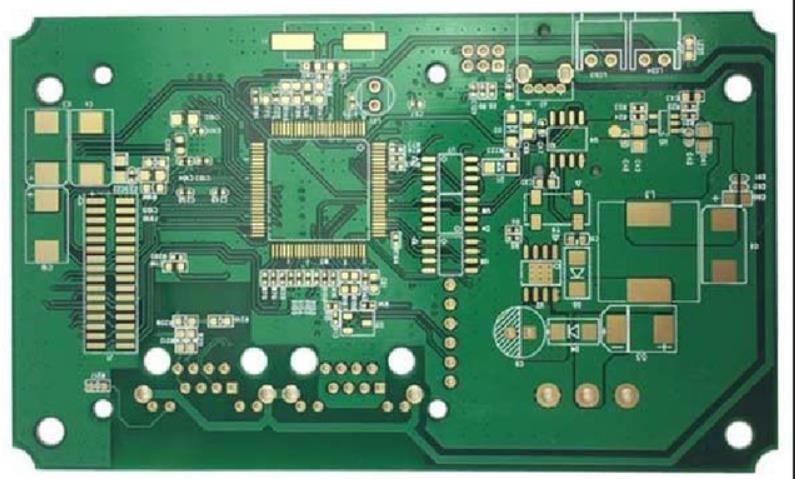
7. Cost Comparison
- DBC PCB – $3.80 – $9.50 per board
- FR4 PCB – $0.25 – $2.20 per board
- Aluminum IMS – $1.00 – $3.00 per board
Although DBC PCBs have a higher upfront cost, they can significantly reduce heatsink and cooling system costs, improving overall system value.
8. Application Differences
- DBC PCB – IGBT power modules, motor drives, photovoltaic inverters, automotive onboard chargers, high-power LED drivers.
- Traditional PCB – smartphones, tablets, routers, USB devices, low-power consumer electronics.
9. Pros & Cons Summary
- DBC PCB – excellent thermal dissipation, high dielectric strength, long thermal cycling life, high current capacity; but higher cost, limited design flexibility, complex manufacturing.
- Traditional PCB – low cost, flexible design, easy volume production; but low thermal conductivity, limited lifetime in high-power applications.
10. How to Choose the Right PCB Material
- Operating temperature
- Power density
- Mechanical stress
- Environmental conditions
- Overall cost
For designs with power density >30 W/cm², DBC PCBs with ceramic substrates are recommended.
11. Future Trends for DBC PCBs
- Electric vehicle electronic control systems
- Data center power management
- Renewable energy inverters
- High-brightness automotive LED lighting
As power density increases, demand for DBC PCBs will continue to grow.
12. Conclusion
DBC PCBs offer significant advantages in thermal dissipation, electrical insulation, and reliability. Although the initial cost is higher, they reduce component failure risk and cooling system costs, making them an ideal choice for high-power PCB designs.
GoPCB provides high-quality Al₂O₃ and AlN DBC PCBs to meet the high-performance needs of automotive, industrial, and renewable energy applications. Explore GoPCB’s manufacturing capabilities →
13. FAQ
- Q1: Are DBC PCBs suitable for consumer electronics?
A1: Generally not needed unless high power density is required. - Q2: How much more expensive are DBC PCBs compared to aluminum-based PCBs?
A2: Typically 2–4 times higher. - Q3: What is the typical copper thickness range?
A3: Common range is 35–600 μm, selected based on current requirements. - Q4: Can DBC PCBs be made with multiple layers?
A4: Yes, but special mechanical processes are required.
⚡ Contact GoPCB for your DBC PCB project — high-performance, reliable, and built for power.
GoPCB Home · Prototype Assembly · Low-volume Assembly · High-volume Production