ENEPIG PCB Cost Guide: 2026 Price Factors Explained
ENEPIG PCB Cost in 2026
The per-board cost of an enepig pcb, electroless nickel electroless palladium immersion gold, is never fixed. Board size, layer count, copper weight, line accuracy, hole structure, plating thickness, quantity, base material and test requirements all shape the final price, and ENEPIG normally costs more than HASL, OSP and ENIG because it adds an electroless palladium layer between the nickel and the immersion gold. The premium buys better corrosion resistance, solderability, reliability and compatibility with fine-pitch packages and wire bonding, which is why high-density, semiconductor, medical, automotive, industrial and high-reliability electronics accept the higher initial cost. In 2026 small, moderately complex ENEPIG samples typically run about USD 5-30 per board, complex high-layer or special-material versions USD 30-100 or more, and volume production can fall to roughly USD 1-10 per board depending on structure and order size.
What ENEPIG Is
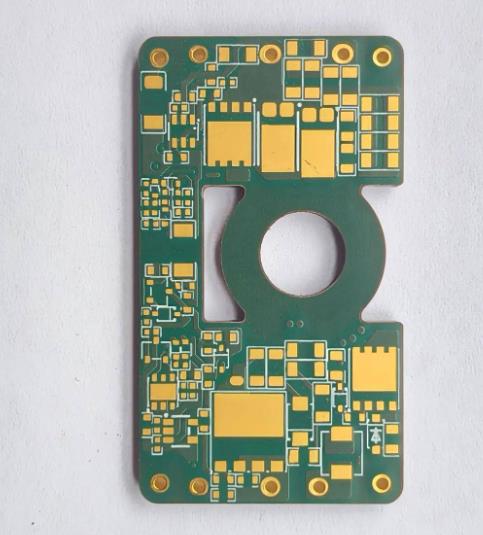
ENEPIG is a three-layer metal finish built from electroless nickel, a thin electroless palladium layer and immersion gold, arranged as copper, nickel, palladium, gold. The palladium layer is the defining difference from ENIG and acts as a barrier that improves corrosion resistance, solder joint integrity and reliability, while also supporting applications that need metal wire bonding. Typical ENEPIG boards serve high-density PCBs, BGA and fine-pitch packages, semiconductor packaging, medical electronics, automotive electronics, industrial control, high-frequency and high-performance equipment and long-life products where surface durability matters more than finish price.
2026 Price References
For budget planning, a small-format, medium-complexity ENEPIG sample generally costs about USD 5-30 per board. Complex boards with many layers, dense routing, fine lines, special material or strict plating control can reach USD 30-100 or more per piece. In batch production, engineering, setup, test and preparation cost spreads across more boards, pulling prices down to roughly USD 1-10 per board or higher depending on the structure. These figures are references for early budgeting, not quotes; the factory must review the Gerber files, drill files, stack-up and finish specification to price a specific project.
Cost Structure Beyond the Metals
Buyers often assume ENEPIG price is driven mainly by gold and palladium, but the real cost is built from the whole manufacturing chain. Base material is the foundation: standard FR-4 is economical, while high-Tg FR-4, halogen-free FR-4, Rogers and PTFE high-frequency laminates, low-loss high-speed materials, ceramic and metal-base materials raise cost sharply. Layer count drives inner layer imaging, lamination, drilling, plating, registration, AOI and electrical test, so an eight-layer ENEPIG board costs far more than a two-layer version even with identical finish. Surface area and chemistry consumption, plating thickness and quality grade add their share on top.
Nickel, Palladium and Gold Thickness
Palladium is a precious metal and the main reason ENEPIG costs more than ENIG. Real palladium cost depends on the required layer thickness, the board area processed, chemical bath consumption, metal prices and process efficiency, so large boards with thick ENEPIG coverage consume noticeably more chemistry. Gold thickness also moves the price: ordinary soldering applications can use a thinner immersion gold, while high-reliability or bonding applications need tighter, often thicker gold control. The nickel layer sits between copper and palladium as a barrier and mechanical support, and its thickness must be specified to suit the application. Specify realistic plating targets instead of defaulting to maximum values, because every micron costs chemistry and process time.
Why ENEPIG Costs More Than ENIG
ENIG stops at nickel and immersion gold, while ENEPIG inserts an electroless palladium layer and the additional process steps and control that go with it. The palladium chemistry, extra plating stage, tighter bath management and additional quality checks all add cost. In exchange, ENEPIG offers better resistance to corrosion and solder joint embrittlement, cleaner surfaces for fine-pitch soldering, compatibility with both solder and wire bonding on the same board, and improved reliability over the product life. When the application needs those properties, the premium is usually worth far more than the finish price difference in warranty and rework savings.
When ENEPIG Is Worth Choosing
Not every board needs ENEPIG. Ordinary consumer electronics that mainly need standard SMT soldering can use ENIG, OSP or even HASL. ENEPIG earns its place with high-density BGA and fine-pitch boards, wire-bonding and semiconductor packaging applications, medical and automotive electronics, industrial control, RF and high-speed designs and high-reliability equipment where surface durability and long life matter. If a cheaper finish causes soldering defects, connection reliability problems or field returns later, the total cost easily exceeds the amount saved on the board purchase, so judge the finish by the whole product cost, not the unit price.
How to Control ENEPIG Cost
Optimize panelization so more units fit each production panel and less material is wasted. Avoid unnecessarily thick gold when the application does not need it, and choose standard FR-4 unless frequency, temperature or loss requirements demand more. Remove unnecessary blind, buried, microvia and via-in-pad structures when the design does not need them, and keep layer count at the minimum that satisfies electrical and EMC needs; a four-layer layout that works should not become six or eight layers for margin alone. Increase order quantity once demand is stable, because fixed cost spreading is the single most reliable lever on per-board ENEPIG price. Working with an experienced manufacturer that reviews stack-up, panelization, finish and tolerances during design prevents late changes and yield losses.
Getting an Accurate Quote
Rather than asking a general price, submit complete manufacturing data. Provide Gerber files, drill files, stack-up, board dimensions, layer count, inner and outer copper weight, material grade, minimum line and space, via structure, ENEPIG plating thickness requirements, finish coverage area, quantity, test needs, quality grade and delivery target. For fine-pitch, BGA, wire-bonding or high-reliability products, discuss the finish specification with the PCB manufacturing team during design, and confirm plating targets with PCBA testing experience so solderability and bondability are validated together. Engineering review of PCB design and layout and panelization balances ENEPIG quality, manufacturing cost and product reliability before tooling begins.
Reliability Return on Investment
The value of ENEPIG shows up over the product lifetime. Boards that face humid environments, repeated thermal cycles, long storage before assembly or mixed soldering and bonding processes benefit from a finish that resists corrosion and black-pad style failures better than standard immersion gold systems. For medical, automotive and industrial programs, one avoided field failure can pay for the finish difference across an entire batch, so include expected warranty, rework and return rates in the cost comparison.
ENEPIG PCB FAQ
Q1: Is ENEPIG more expensive than ENIG? Yes, normally, because ENEPIG adds an electroless palladium layer plus additional materials and process control.
Q2: How much does an ENEPIG PCB cost per board? Small and medium-complexity samples run about USD 5-30 in 2026, complex boards USD 30-100 or more, and volume production can drop to roughly USD 1-10 depending on structure.
Q3: Why is ENEPIG expensive? Palladium is a precious metal, the extra layer lengthens the process, and plating control and inspection requirements are stricter.
Q4: Does board size affect ENEPIG price? Yes; larger boards consume more material, chemistry and production resource, and panel utilization strongly influences the unit price.
Q5: Does gold thickness change the price? Yes; higher gold thickness increases material consumption and manufacturing cost.
Conclusion
ENEPIG pcb pricing depends on size, layers, material, plating thickness, quantity and quality grade rather than metal prices alone, with samples around USD 5-30 and complex versions above USD 100. The finish costs more than ENIG because of the palladium barrier and its process control, but for fine-pitch, bonding, medical, automotive and high-reliability boards that investment returns cleaner joints, longer life and fewer field failures.