How to Choose a Reliable PCB Supplier
As a critical component in modern electronic products, PCB quality directly affects overall product performance, reliability, and long-term stability.
Choosing the right PCB Supplier is therefore an essential decision for companies involved in electronics development and manufacturing. A reliable PCB partner should not only provide high-quality circuit boards but also offer strong engineering support, stable production capabilities, consistent delivery performance, and effective after-sales service.
This article explains the key factors businesses should evaluate when selecting a reliable PCB supplier.
Evaluating Supplier Certifications and Reputation
The first step in selecting a PCB supplier is reviewing their qualifications, certifications, and industry reputation.
A professional supplier should have internationally recognized quality management certifications, such as ISO9001 quality management system certification and other relevant industry standards. These certifications demonstrate that the manufacturer has established structured quality procedures, production controls, and management systems.
Companies should also verify whether the supplier has the capability to manufacture the required PCB types, including:
- Multilayer PCBs
- High-density interconnect boards
- High-frequency circuit boards
- Flexible and rigid-flex PCBs
- High-speed PCBs
- Special material PCBs
For advanced electronic applications, selecting a supplier with experience in HDI PCB manufacturing is especially important because HDI technology requires precise control of microvias, laser drilling, sequential lamination, and layer alignment.
GOPCBA provides advanced HDI PCB Manufacturing capabilities for applications requiring high-density routing, fine-pitch components, and compact electronic designs.
In addition to certifications, market reputation should also be considered.
Companies can evaluate supplier credibility through:
- Customer reviews
- Industry recommendations
- Long-term cooperation cases
- Exhibition participation
- Online industry information
Feedback from existing customers can provide valuable insights into product quality, delivery reliability, technical communication, and service responsiveness.
Assessing Production Capability and Technical Expertise
Manufacturing capability is one of the most important factors when selecting a PCB supplier.
Companies should evaluate:
- Factory production capacity
- Manufacturing equipment
- Automation level
- Production management systems
- Engineering resources
- Ability to support volume production
A capable PCB supplier should be able to handle both prototype projects and large-scale production while maintaining stable quality.
Production flexibility is also important. A supplier should be able to adjust manufacturing schedules according to customer requirements, including urgent orders, prototype development, small-batch production, and mass production.
Technical capability directly determines PCB performance and reliability.
When evaluating a supplier, companies should understand:
- Engineering team experience
- Manufacturing technology investment
- Process development capability
- Advanced equipment availability
- Design-for-manufacturing support
Modern PCB manufacturing involves complex processes such as:
- Precision drilling
- Copper plating
- Circuit imaging
- Etching
- Lamination
- Surface finishing
- Electrical testing
For high-speed electronic systems, suppliers with experience in High Frequency PCB manufacturing can provide better control over dielectric materials, impedance performance, signal integrity, and transmission reliability.
GOPCBA supports advanced High Frequency PCB Manufacturing solutions for applications requiring stable electrical performance and high-speed signal transmission.
Verifying Product Quality and Quality Control Systems
Product quality is one of the most important evaluation criteria when choosing a PCB supplier.
Before establishing long-term cooperation, companies should request samples and conduct comprehensive evaluations.
Inspection items may include:
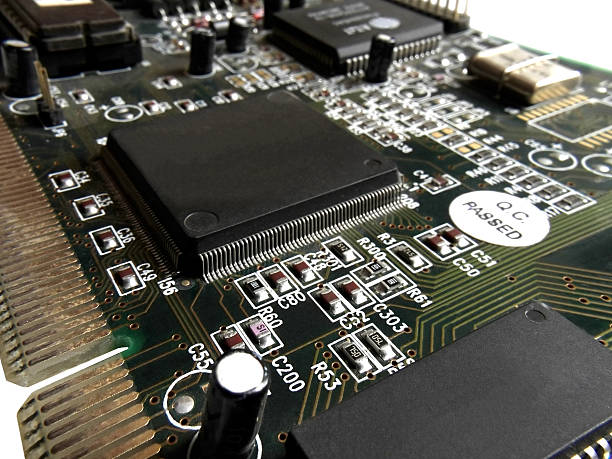
Appearance Inspection
The PCB surface should be checked for:
- Scratches
- Dents
- Copper exposure
- Surface contamination
- Bubbles
- Coating defects
A high-quality PCB should have a clean surface appearance and consistent manufacturing quality.
Dimensional Accuracy Testing
Critical dimensions should be measured to confirm compliance with design requirements, including:
- Board thickness
- Hole diameter
- Hole position
- Trace width
- Spacing accuracy
- Layer alignment
For high-density PCB designs, even small dimensional deviations can affect assembly performance and electrical reliability.
Electrical Performance Testing
Electrical testing should include:
- Insulation resistance testing
- Conductivity testing
- Impedance testing
- Signal integrity verification
- Short/open circuit testing
A reliable PCB supplier should have comprehensive testing equipment and documented inspection procedures.
GOPCBA applies strict PCB Quality Control procedures covering raw materials, production processes, inspection, and final verification to ensure consistent product performance.
Reviewing Manufacturing Quality Management Systems
Beyond final product inspection, companies should evaluate the supplier’s complete quality management system.
A professional PCB manufacturer should control quality throughout the entire production process.
Important quality control stages include:
- Incoming material inspection
- Inner-layer inspection
- Lamination monitoring
- Drilling inspection
- Copper plating control
- Circuit inspection
- Final electrical testing
- Reliability testing
Raw materials such as laminates, copper foil, solder mask materials, and surface finishes should be carefully verified before production.
Manufacturing processes should also include traceability systems.
A complete traceability system records:
- Material batch information
- Production equipment
- Manufacturing parameters
- Operator information
- Inspection results
- Production history
When quality problems occur, traceability allows engineers to quickly identify the source of the issue and implement corrective actions.
For complex PCB products, advanced manufacturing control methods such as Multilayer PCB Manufacturing are essential for maintaining layer alignment, reliability, and production consistency.
Considering Price and Total Cost
Price is an important factor when selecting a PCB supplier, but it should not be the only consideration.
The lowest quotation does not always represent the best value.
Companies should evaluate total cost based on:
- PCB quality
- Manufacturing reliability
- Delivery performance
- Engineering support
- After-sales service
- Long-term cooperation value
Low-quality PCBs may create additional costs caused by:
- Product failures
- Rework
- Assembly delays
- Production downtime
- Customer complaints
A reliable supplier should provide competitive pricing while maintaining consistent quality standards.
Companies should also consider cooperation terms, including:
- Payment flexibility
- Volume pricing policies
- Production scalability
- Engineering support
A supplier offering strong overall value can help reduce hidden costs throughout the product lifecycle.
Evaluating Delivery Capability and After-Sales Support
Stable delivery performance directly affects production schedules and market competitiveness.
When evaluating a supplier, companies should review:
- Average production lead time
- Historical delivery performance
- Supply chain management
- Material availability
- Emergency response capability
A professional PCB supplier should have effective production planning and inventory management systems to handle unexpected situations such as:
- Material shortages
- Equipment maintenance
- Capacity fluctuations
After-sales service is equally important.
A reliable supplier should provide:
- Technical consultation
- Problem analysis
- Engineering support
- Quality feedback response
- Corrective action reports
When PCB issues occur during assembly or product testing, fast technical communication can significantly reduce production interruptions.
Strong after-sales support demonstrates that the supplier is focused on long-term cooperation rather than one-time transactions.
Conducting Factory Audits and Cooperation Discussions
After identifying potential suppliers, conducting an on-site factory evaluation is highly recommended.
A factory visit allows customers to directly understand:
- Production environment
- Equipment conditions
- Manufacturing processes
- Quality inspection systems
- Production management methods
During the audit, companies can communicate with:
- Management teams
- Engineering departments
- Production operators
- Quality personnel
This provides deeper insight into the supplier’s technical capability, company culture, and operational standards.
After completing the evaluation, companies should conduct detailed cooperation discussions.
Important topics include:
- Product specifications
- Quality requirements
- Delivery schedules
- Pricing structure
- Payment terms
- Technical support
- Warranty policies
Clear communication helps both parties establish expectations and build a stable long-term partnership.
The Importance of Prototype Capability
Before moving into mass production, prototype validation is an effective way to evaluate PCB supplier capability.
A professional supplier should be able to support prototype manufacturing and help customers identify potential design or production issues at an early stage.
Prototype evaluation can verify:
- PCB structure
- Material selection
- Electrical performance
- Manufacturing feasibility
- Assembly compatibility
GOPCBA provides PCB Prototype Manufacturing services to help customers transition smoothly from design verification to volume production.
This approach reduces manufacturing risks and improves product development efficiency.
Conclusion
Choosing a reliable PCB supplier requires comprehensive evaluation of multiple factors, including certifications, manufacturing capability, technical expertise, quality systems, pricing, delivery performance, and customer support.
A professional PCB partner should provide more than circuit board production. They should offer engineering expertise, stable manufacturing processes, strict quality control, and long-term cooperation support.
For advanced applications involving HDI PCB, multilayer structures, and High Frequency PCB, selecting the right supplier becomes even more important because manufacturing precision directly affects product performance and reliability.
By carefully evaluating supplier qualifications, production capabilities, quality management systems, and service support, companies can select a trustworthy PCB manufacturing partner, reduce production risks, improve product quality, and strengthen their market competitiveness.
GOPCBA provides comprehensive PCB Manufacturing Services, supporting customers from prototype development to reliable large-scale production.