Immersion Tin PCB Cost Guide: Process, Pricing and Comparison
Surface finish choice is one of the most visible cost decisions in PCB procurement. Among the available options, immersion tin keeps winning orders because it balances solderability, flatness, environmental compliance, and price better than most alternatives. In 2025, engineers and buyers continue to select immersion tin PCB finishes for cost-sensitive projects that still need dependable SMT assembly. This guide explains what immersion tin is, what drives its cost, how it compares with HASL, ENIG, and immersion silver, what typical price ranges look like, and how to choose a supplier that keeps quality high without inflating the budget.
What Is an Immersion Tin PCB?
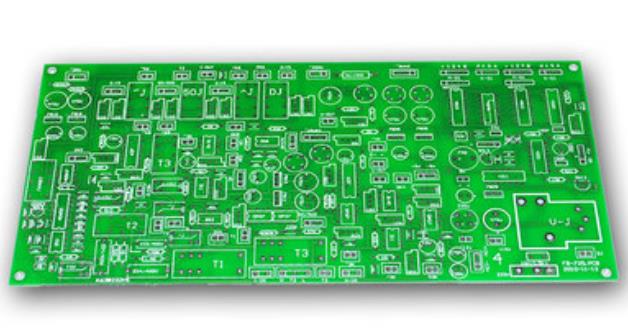
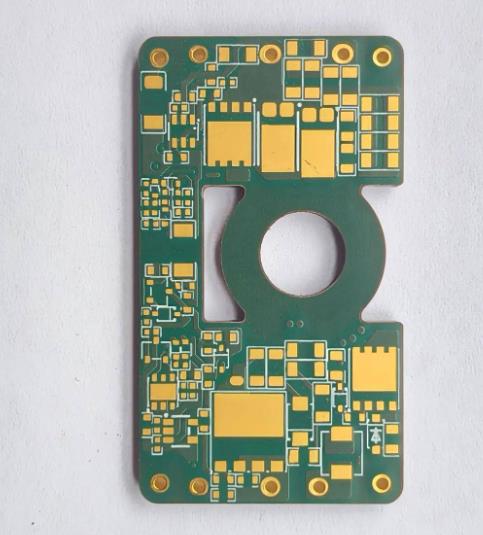
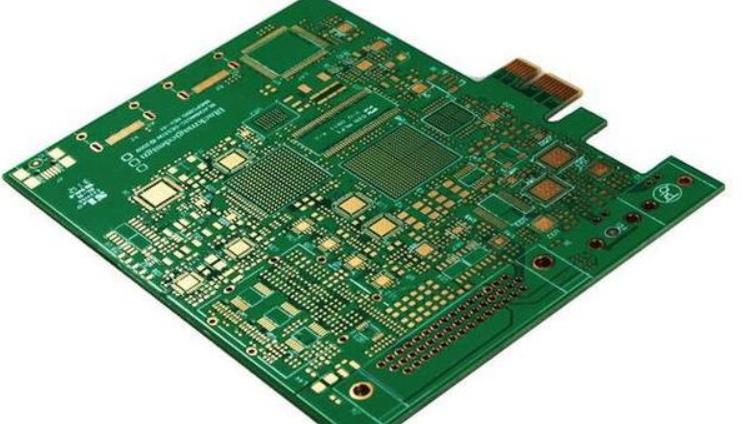
An immersion tin PCB uses a chemical displacement reaction to deposit a thin, uniform tin layer onto the exposed copper surfaces. During the process, tin ions in solution replace a thin layer of copper atoms, leaving a flat metallic coating that protects the copper from oxidation and provides an excellent base for soldering. The result is a board whose pads are smooth and coplanar, which makes immersion tin well suited to SMT and BGA assembly where flatness directly affects joint quality.
The finish is lead-free and RoHS compliant, and it avoids the use of gold entirely, which keeps cost well below ENIG. Because the coating is applied chemically rather than through electroplating, it follows the surface evenly, including fine features and small vias, with no current-density issues. These properties make immersion tin a popular choice for medium- and low-cost PCB manufacturing across consumer, industrial, and communication products.
Main Factors That Affect Immersion Tin PCB Cost
Several variables set the final price. Material selection comes first: standard FR-4 board pricing runs about USD 0.30 to 0.50 per square inch, while high-frequency laminates reach USD 0.80 to 1.20 per square inch. Layer count is the second driver, with a two-layer immersion tin board in a 100 by 100 millimeter format costing roughly USD 65 to 90 for ten pieces, while the same order in four layers jumps to USD 180 to 220. Surface treatment complexity adds a further USD 0.05 to 0.15 per square inch over HASL, and order quantity determines how those figures scale.
Production volume has the largest percentage effect: prototype pricing is highest, while volume manufacturing typically reduces cost by 30 to 50 percent. Because the variables interact, comparing immersion tin PCB prices between suppliers requires matching board size, layer count, finish specification, and quantity exactly.
Typical Immersion Tin PCB Price Ranges in 2025
Market references give useful planning figures. Two-layer prototype boards in the 100 by 100 millimeter format with ten pieces typically cost USD 60 to 120 per order. Small-batch production runs about USD 0.80 to 1.20 per square inch, while large-volume orders can drop to USD 0.30 to 0.40 per square inch. Multilayer boards cost more: a four-layer prototype order in the same format runs USD 150 to 250.
These ranges place immersion tin in the economical tier of surface finishes. For teams producing thousands of boards, the volume price makes immersion tin one of the least expensive ways to obtain a flat, solderable finish, which is why it appears so often in cost-managed products that still demand dependable assembly yields.
Cost Structure of Immersion Tin Manufacturing
Understanding where money goes helps buyers negotiate. Raw materials, including base laminate, copper foil, and chemicals, represent about 30 to 40 percent of cost, roughly USD 25 to 40 for a ten-piece batch of two-layer boards. Processing steps such as drilling, etching, and plating account for 25 to 35 percent, or USD 20 to 35 per batch. The immersion tin step itself contributes 10 to 15 percent, about USD 10 to 15, while testing and assembly-related inspection such as AOI and electrical test add 10 to 20 percent, and logistics and packaging finish the bill at 5 to 10 percent.
The finish is not the dominant line item, which surprises many buyers. Because immersion tin avoids the gold plating used by ENIG, the total process cost stays lower, and the saving is most visible on larger boards where surface area drives finish cost. Transparent suppliers itemize these elements, allowing customers to see exactly where volume discounts and specification changes take effect.
Board size and panel utilization deserve separate attention because they convert directly into price. A standard 100 by 100 millimeter board fits a predictable number of units per production panel, and designs that use the panel area efficiently cut the per-board share of material and process cost. Odd dimensions, tight spacing, and low panel yield push cost up even when the board itself is simple. Before requesting quotes, teams should review the panel layout with the fabricator, since combining several designs or adjusting board edges to standard panel sizes often saves 10 to 20 percent without any change to the circuit.
Immersion Tin vs. HASL, ENIG and Immersion Silver
Comparing finishes clarifies the value of immersion tin. HASL is the cheapest option at about USD 0.20 to 0.35 per square inch, but its hot-air leveling leaves an uneven surface that can hurt fine-pitch assembly. Immersion tin costs slightly more, around USD 0.30 to 0.50, and delivers the flat pads that SMT and BGA processes need. ENIG provides excellent flatness, corrosion resistance, and long shelf life at USD 0.70 to 1.50 per square inch, making immersion tin typically 30 to 50 percent cheaper. Immersion silver sits in a similar range of USD 0.40 to 0.60, with a longer shelf life under proper storage.
The choice depends on the product. For fine-pitch boards that will be assembled quickly, immersion tin often beats HASL on yield and ENIG on cost. For boards with long storage cycles or harsh environments, ENIG’s corrosion resistance justifies its premium. Buyers should weigh assembly schedule and storage plans, not just the per-square-inch figure.
Regional Supplier Comparison
Geography still shapes immersion tin pricing. Chinese manufacturers quote large-volume production at about USD 0.30 to 0.40 per square inch with lead times of 7 to 12 days, supported by mature chemical supply chains and high-volume lines. European suppliers charge roughly USD 0.80 to 1.20 per square inch and bring comprehensive certification systems, while North American suppliers range from USD 1.00 to 1.50 per square inch and excel at quick-turn prototyping in 3 to 5 days.
The practical pattern is the same as in most PCB categories: volume production goes to Asia for cost, and urgent prototypes stay local for speed. Many global teams qualify both types of suppliers, sending rapid iterations to a nearby shop and production orders to a cost-optimized partner with proven quality records.
How to Reduce Immersion Tin PCB Cost
Cost control follows levers that apply to any finish. Design optimization comes first: reducing layer count and via count saves 10 to 20 percent while often improving yield. Order consolidation is second, where increasing a purchase from 100 to 1000 boards can move pricing from about USD 1.20 per square inch down to USD 0.35. Delivery choices matter too, since avoiding express service saves USD 50 to 100 per batch, and long-term supplier relationships typically bring 5 to 15 percent negotiated discounts.
Engineering review before ordering multiplies these gains. Panel utilization, standard board sizes, and finish selection all interact with quantity, and a fabricator that reviews the design can flag cost drivers early. Because immersion tin is already economical, the biggest remaining savings come from board design and volume strategy rather than from squeezing the finish itself.
Immersion tin boards serve a broad range of products precisely because of that cost profile. Communication modules, consumer electronics, LED driver boards, industrial control units, and automotive infotainment all use the finish where flatness matters and storage cycles stay within the recommended window. The finish also pairs well with mixed technology assembly, because its flat surface prints solder paste consistently across both fine-pitch ICs and larger passive components. For products that move from design to assembly within a few months, immersion tin delivers near-ENIG assembly quality at a fraction of the material cost.
Choosing a Reliable Immersion Tin Supplier
Supplier selection should verify three things: process control, testing, and documentation. Immersion tin thickness must be controlled within specification, because deposits that are too thin oxidize quickly and deposits that are too thick can weaken solder joints. Ask about the supplier’s tin chemistry, thickness measurement methods, and storage recommendations, and confirm that the finish line is qualified for the board materials in your design.
Testing is equally important. A dependable manufacturer runs AOI on assembled features and 100 percent electrical testing on bare boards, and holds certifications such as ISO and UL that cover both process and material quality. Global shipping reliability and responsive communication complete the picture, since finish problems are best resolved with the factory that controls the line, not through a reseller. A partner with established PCB manufacturing and assembly experience can advise on finish selection from the prototype stage onward, preventing specification mistakes before volume orders.
Storage handling is part of a successful immersion tin program. Boards should arrive sealed with desiccant and humidity indicators, and the assembly schedule should be planned so that boards move through soldering before the finish degrades. In humid climates, extra care with dry storage pays for itself in yield, because oxidized tin pads cause poor wetting that appears as intermittent solder defects. Buyers who align fabrication and assembly timing with the same partner avoid the shelf-life risk entirely, since boards can ship from the finish line directly to the SMT line without long warehousing between the two steps.
Immersion Tin PCB FAQ
Q1: How long can immersion tin boards be stored? Typical storage life is 6 to 12 months when boards are kept in sealed, dry packaging, with solderability degrading gradually after that period.
Q2: Is immersion tin suitable for fine-pitch parts? Yes. The flat surface is one of the main reasons immersion tin works well for SMT and BGA packages, where pad coplanarity controls joint quality.
Q3: What are typical lead times? Prototypes generally ship in 3 to 7 days, while volume production takes 2 to 4 weeks depending on quantity and finish line load.
Q4: How much cheaper is immersion tin than ENIG? Immersion tin typically costs 30 to 50 percent less, since it replaces gold plating with an economical tin deposition process.
Q5: When should I choose ENIG instead? Choose ENIG when boards must store for long periods, face corrosive environments, or require the most stable surface for repeated rework cycles.
Conclusion
Immersion tin remains one of the most cost-effective PCB surface finishes available in 2025. It delivers flat, solderable pads for SMT and BGA assembly, meets lead-free requirements, and costs significantly less than ENIG while outperforming HASL in flatness. The price is controlled by material grade, layer count, finish area, quantity, and supplier region, and each factor can be managed with disciplined design and sourcing. Teams that combine immersion tin with an experienced fabrication and SMT PCB assembly partner, supported by PCBA testing, get dependable boards at a price that keeps their products competitive.