Industrial Instrumentation PCB: Design, Materials and Cost Guide
Boards That Keep Industry Measuring
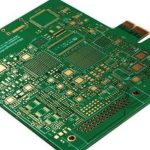
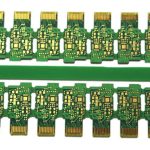
Factories, power plants and laboratories depend on instruments that measure, control and record with high precision, and every one of those instruments is built around an industrial instrumentation pcb. Unlike consumer electronics, industrial boards must hold accuracy and reliability for years in environments with heat, vibration, humidity and electrical noise. They appear in production lines, industrial sensors, PLC control systems and test and measurement equipment. This guide explains how industrial instrumentation PCBs differ from ordinary boards, which types and materials are used, what design rules matter, and what they cost in 2026.
How Industrial Instrumentation Systems Work
An instrumentation system exists to measure, control and automate. It performs real-time data acquisition and monitoring, signal amplification and processing, automatic control with feedback loops, and precise measurement and calibration. The PCB is the physical platform for all of it, carrying sensor interfaces, analog front ends, converters, logic and communication circuits. Because measurement accuracy depends on the board’s noise behavior and stability, the pcb design directly determines how good the instrument is.
Industrial PCB vs Ordinary PCB
An industrial PCB is different from a consumer board in measurable ways. It must tolerate high temperature, vibration and humidity; it must hold tighter electrical stability and reliability; it must generate lower signal noise and resist EMI interference; and it must meet stricter manufacturing standards and compliance requirements. Those differences matter most in industrial control systems, automation equipment, power monitoring devices, smart factories and energy systems, where a failed board stops production rather than just inconveniencing a user.
Core Functions in Instruments and Meters
Inside an instrument, the industrial PCB carries several critical jobs. High-precision signal detection and processing starts at the board’s analog front end. Sensor interfaces and data conversion connect transducers to digital logic. Real-time control and logic operations manage actuators and processes, and industrial communication and remote monitoring links put the instrument on the factory network. In short, the PCB is the core hardware of industrial automation, measurement and signal processing systems.
Common Industrial Instrument PCB Types
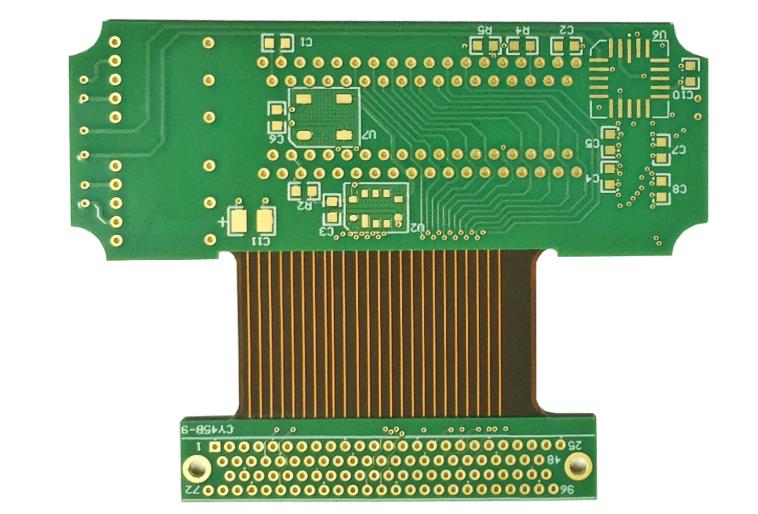
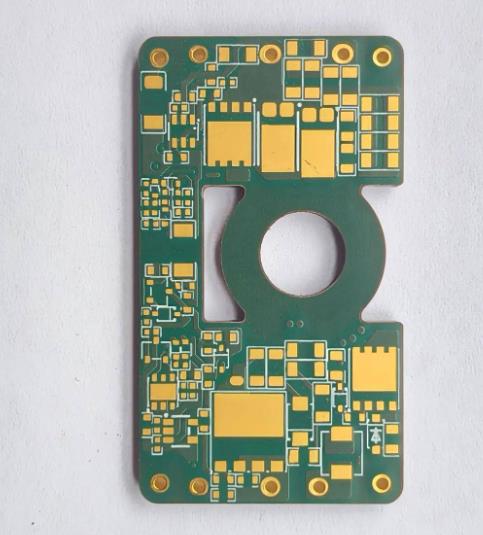
Instrument designers choose from a small set of board families. Single-sided and double-sided PCBs serve simple sensor and interface boards. Multilayer industrial PCBs from four to twelve layers dominate controllers and precision analog sections. High-frequency PCBs are used where sensing or RF test circuits operate at speed, and rigid-flex boards fit compact devices that fold or move. The construction choice drives cost and performance, so it is usually made during system architecture, not layout.
Design Requirements for Instrumentation
Instrument-grade design focuses on a handful of requirements. Strong anti-interference and low noise performance is first, because noise shows up directly as measurement error. Long life and high reliability follow from derating, robust power stages and conservative trace rules. Electrical isolation and thermal management protect sensitive analog sections from switching noise and heat. Stable power delivery and signal integrity keep ADC and communication circuits accurate. Meeting these demands usually requires mixed-signal layout discipline, separate analog and digital ground strategies and careful decoupling, all of which an experienced PCB design and layout team handles routinely.
Materials and Stack-Ups for Instruments
Material and layer count follow the performance the instrument must deliver. FR-4 in industrial grades covers most boards, aluminum-base substrates move heat from power stages, Rogers high-frequency laminates serve RF measurement circuits, and heavy copper handles current where needed. Common stack-ups are two, four, six and eight layers, with four and six layers the most frequent for controllers and precision analog boards. Choosing the right material early is cheap; changing it after layout is expensive because dielectric, loss and thermal behavior all shift.
Typical Applications
Industrial instrumentation PCBs show up in industrial sensors and measurement modules, controllers and PLCs, smart automation and smart factory equipment, IoT systems, and industrial test, power measurement and monitoring devices. Across these applications the board must deliver stable measurements over long operating hours in noisy electrical environments. This is exactly the territory covered by Industrial PCBA production, where process control and testing are matched to the reliability the application needs.
What Industrial-Grade Boards Deliver
The payoff of industrial construction shows in operation. Higher measurement precision and stability, lower maintenance cost, longer service life and better industrial safety and reliability all trace back to the board and assembly quality. For an OEM, those benefits translate into fewer field returns, stronger calibration stability and a product that can be sold into plants with demanding uptime requirements.
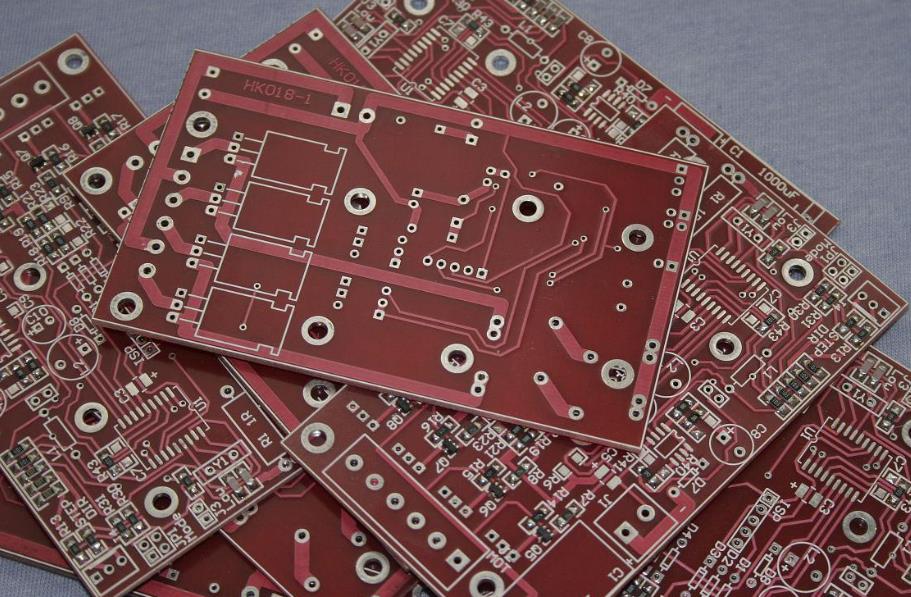
Calibration stability deserves special attention in instruments. Components drift with temperature and age, so industrial designs use precision references, temperature-compensated circuits and documented test points that let factories verify performance at the end of the line and later in the field. A board that keeps its analog performance stable across temperature saves customers from repeated recalibration, which is one more reason material selection and layout discipline matter in an industrial instrumentation pcb.
Manufacturing Essentials
Manufacturing industrial boards means controlling the whole chain. Industry certifications such as ISO and IPC-6012 define the quality baseline, SMT and through-hole process choices must match the component mix, prototyping must scale cleanly into volume, and full testing and inspection must run at every stage. PCBA testing is especially important for instruments, because a latent soldering defect can appear as an intermittent measurement error months after installation. Factories that combine industrial material systems, free DFM review and complete test coverage deliver boards that behave predictably.
Common Challenges and Solutions
Three challenges dominate field failures. Harsh environments with heat, dust and humidity are answered with high-temperature substrates and conformal coating. EMI and power noise are controlled with careful power and ground design, shielding and optimized copper. High-frequency vibration and thermal shock are handled with rigid-flex construction and thermal management structures. Applying these solutions systematically raises both stability and measurement accuracy, which is what industrial customers actually pay for.
How to Select an Industrial PCB Supplier
Selection criteria should include certification and engineering capability, quality control strength, production cost and lead time, and prototype development with responsive technical support. Ask for evidence of industrial projects, inspect their DFM and testing process, and confirm that prototyping and volume runs use the same controlled process. A full-service partner offering PCB manufacturing and SMT assembly with industrial material systems, free DFM review and prototype support from USD 30-100 is a strong starting point for new instrument programs.
Future Trends
The industry is moving toward smarter sensors with edge computing, more compact instrument designs, Industry 4.0 and smart factory integration, and denser high-speed signal layouts. These trends raise the bar for materials, layer counts and design skill while pushing unit costs down in volume. Instrument OEMs that standardize on proven industrial platforms and reliable suppliers will capture most of the growth.
Industrial Instrumentation PCB FAQ
Q1: What is an industrial instrumentation PCB? It is a high-precision board designed for industrial measurement, control and data processing systems.
Q2: How much does an industrial PCB cost? Typical pricing is USD 0.5-8 per board in volume and USD 30-100 for prototype runs.
Q3: Which materials suit instruments best? High-reliability FR-4 and Rogers high-frequency laminates are the common choices.
Q4: Do instrument devices need multilayer boards? Yes, four or six layers are most common and improve signal and power integrity.
Conclusion
The industrial instrumentation pcb is the invisible foundation of accurate measurement and reliable automation. Precision analog design, robust materials, disciplined manufacturing and thorough testing keep instruments stable in the field for years. As smart factories and Industry 4.0 expand, demand will keep growing for high-precision, high-reliability industrial boards and for partners that can build them consistently from prototype to volume.