Medical Monitoring PCBA Project Intake Checklist
When a medical monitoring board moves from a prototype to a small production batch, the attention usually goes to the price and the date, and the programme, the test and the material revision are confirmed later if at all. What then appears after the assembly has been completed is that the sensor interface cannot be tested, the display cable does not match, or the programme file belongs to an earlier revision of the board, and each of those is harder to resolve than a soldering problem. A project intake carried out in five steps, before the quotation is requested, prevents most of it, and each step answers a question that is cheap to settle early and expensive to settle late.
Are the Production Files the Same Revision
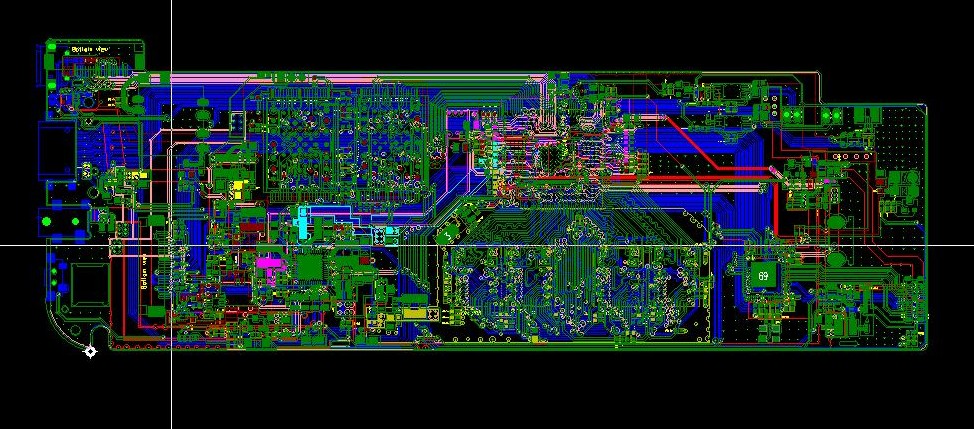
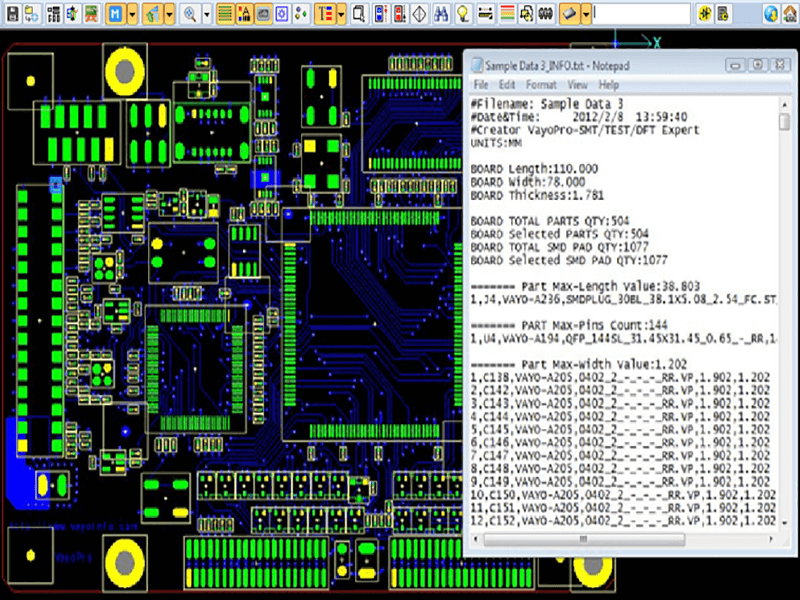
The Gerber data, the bill of materials, the placement coordinates and the assembly drawing are the basic set, and all four have to describe the same board. The reference designators, the packages and the positions that are not populated have to agree across them, because a coordinate file from one revision placed onto a board from another produces parts in the right places for the wrong design.
A medical monitoring board usually carries a display interface, a sensor interface, memory and devices that have a defined orientation. The assembly drawing marks the direction of the connectors, the pin one of each integrated circuit and the polarity of every polarised part, because the legend on the board is not a production instruction and is often printed where it can be read rather than where it is needed.
Where the prototype involved a wire modification, a hand fitted part or a temporary substitute, the question of whether those changes have been incorporated into the released design is answered before the order rather than during it. The files are checked at intake, but a change to the design is a decision for the customer.

Which Components May Be Substituted
The bill of materials states the full part number, the manufacturer where it matters and the range within which substitution is permitted. Sensors, memory devices, power devices, crystals and communication parts can share a package while differing in parameters and in program compatibility, so a substitute approved on the package alone is not a substitute at all.
On a turnkey order the ordinary passives and the critical devices are given different substitution rules. When an original part cannot be obtained, the parameters, the package and the position in the circuit are compared first, and the customer confirms the replacement rather than the decision being taken at the line. Where the customer supplies the material, its quantity, packaging and state of opening are stated, because material that arrives short or in a form the machine cannot feed holds up both the schedule and the first article.
How Far the First Article Should Go
The first article is not a count of the components that are present. The paste is checked from the print data, and after reflow the orientation, the offset, the bridges, the short deposits and any other visible anomaly are examined.
For this kind of board the scope usually has to extend further: the display connection, the sensor interface and a basic power-up verification. Whether those are included is decided before the order and written into it, because adding them after the assembly has been finished turns a planned step into an interruption. Where the customer has an environmental, reliability or specific acceptance requirement, the drawing and the standard are provided, and the assessment is made against the actual work that can be carried out rather than a generic check standing in for the customer’s own criterion.
How the Programme and Individual Data Are Delivered
Where programming and test are included, the customer provides the programme file, the target device, the programming interface, the configuration and the method by which the revision is read back. Where each board also has to carry a serial number or other individual data, the rule for generating it, writing it and checking for a duplicate is stated rather than left to the operator.
When the programming changes, the batch from which the change takes effect is stated by the customer. Boards already programmed are kept apart from boards programmed with the new revision, because two boards that look identical and run different code cannot be distinguished afterwards without a record.
A successful write is a result rather than an acceptance. Where the customer requires it, the revision is read back and the board continues to a display connection check or a specified interface verification, which is what turns the action of writing into evidence that the board is what it is supposed to be.
What the Test and Delivery Records Contain
The test document states the supply conditions, the harness, the procedure and the acceptance range. How a failure is retested, and whether a repaired board goes through the whole sequence again, are decided before volume rather than when the first failure appears.
At delivery the hardware revision, the programme revision and the state of each board are distinguished according to the order, and the packing protects the parts that are most easily damaged: the display connector, the sensor interface and anything else that stands proud of the board. On a monitoring device those connectors are frequently the most fragile part of the assembly and the one most likely to be damaged in transit.
A small production batch also benefits from a defined set of data that is checked once and then reused. Our medical PCBA group handles this kind of project, component procurement manages the material and the substitution rules, and PCBA testing covers the programming and the functional check, with the records held under quality management.
Why These Five Checks Save Time
Each of them addresses a decision that is cheap before the order and expensive after it. A file revision that does not match costs a batch. A substitution rule that was never agreed costs a line stop. A first article scope that is discovered late costs an interruption in the middle of a run. A programming rule that is undefined costs a batch of boards whose revision cannot be established. A test definition that arrives after the assembly costs a delivery that is already finished but cannot be shipped.
Collecting the five answers into one project file makes the quotation faster as well, because the questions that would otherwise be asked one at a time have already been answered, and the manufacturing boundary and the delivery requirement can be assessed together.
FAQ
What if only some of the documents are ready? The order can proceed on the documents that exist, but the missing item is identified at intake so that it is known which decisions are still open.
Can a substitution be agreed during production? It can, but the confirmation has to come before the part is used, and the reference designators and the batch affected are recorded.
Does every board need the full first article check? The first board of the batch is checked, and whether the scope extends to the interfaces and the programming is decided from the order.