MES for PCBA Manufacturing: Tracking and Quality Guide
MES for PCBA manufacturing helps electronics factories control production in real time. MES stands for manufacturing execution system, and it connects production machines, operators, materials, quality checks, and orders in one digital platform. Instead of relying on paper records or manual reports, the factory can see the current status of every board and respond quickly when a problem appears. For PCBA customers, this means better delivery performance, clearer progress updates, and stronger traceability if a quality issue is discovered.
This guide explains how MES is used in PCB assembly, the benefits it creates, and why it is becoming a standard requirement for competitive electronics manufacturing.
The value of MES is easiest to see during a quality issue. Instead of searching through paper logs, the factory can search by serial number and retrieve the complete production history in seconds.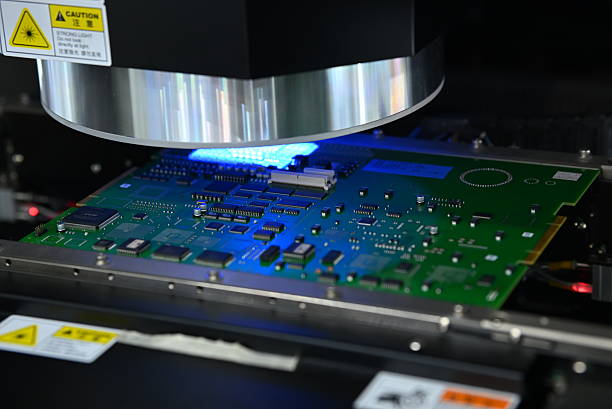
MES also helps the factory measure the true cost of quality. Rework, scrap, downtime, and waiting time can be captured from production data and used to improve profitability.
Why MES Is Important in PCBA
Traditional PCBA production may depend on many paper forms and manual spreadsheets. Information moves slowly between material, placement, soldering, inspection, and shipping, making it difficult to know which order is delayed or where a defect came from.
MES removes information silos by collecting data automatically from machines and operators. The system can show work-in-progress, machine status, yield, defect counts, and material usage in real time.
This visibility lets the factory make decisions based on data rather than memory.
The system should also monitor machine parameters such as placement accuracy, reflow temperature, and inspection pass rate. When a parameter drifts, MES can alert the operator before the board quality is affected.
Monitoring should include both machine uptime and process efficiency. If a machine is running but producing slowly, the customer’s delivery may still be at risk. The MES dashboard should show effective output, not only machine status.
Real-Time Production Monitoring
MES can monitor each production step from material receiving to final packing. The board or order is identified by a unique code, and every station records its result in the system.
If a machine is running slowly or a process is producing too many defects, the system can alert the production team before the problem becomes larger.
Real-time monitoring also gives the customer a better view of order progress and expected delivery.
Scheduling should also consider solder paste exposure time, component floor life, and the availability of specialized machines. A plan that ignores material age can create quality problems even when delivery is on time.
Changeover time should be included in scheduling decisions. If two similar boards can use the same setup, scheduling them together can reduce downtime and improve delivery without adding capacity.
Intelligent Scheduling
MES can help create a production schedule based on order priority, available equipment, material stock, and required delivery date. This is especially useful in a high-mix factory where many different boards share the same lines.
The system can arrange changeovers to reduce downtime and identify when two orders require the same material or setup.
When an urgent order arrives, the scheduler can decide whether it can be inserted without disrupting other deliveries.
MES can also help control component counterfeiting by requiring lot-level verification. The operator can scan a reel and the system can confirm that the part number and supplier are approved for the order.
MES can also track solder paste and stencil usage. Knowing when a stencil was cleaned or when a new batch of paste was opened helps the process team maintain stable quality.
Material and Supply Chain Integration
MES often works with ERP and warehouse systems. Material availability, purchase orders, and stock levels can be connected so the production schedule reflects real supply.
If a component is missing, the system can identify the affected order and suggest an alternative supplier or material.
Component traceability is strengthened because the MES records which lot was used on each board.
The system should define rules for when to pause production. For example, an AOI failure rate above 3 percent may stop the line, while a 1 percent rate may only create a warning. Clear rules prevent overreaction and missed signals.
Quality alerts should be sent to the correct person with enough information to act. A message that only says defect rate increased is less useful than one that identifies the machine, component, and inspection station.
Quality Control with Real-Time Alerts
Inspection machines such as SPI, AOI, and X-ray can send results directly to MES. When the defect rate exceeds a threshold, the system can stop the line or alert the engineer automatically.
The quality team can see which defect is increasing, which machine or feeder is involved, and which orders may be affected.
This turns quality control from an after-the-fact check into an active process control tool.
Traceability should extend to the customer serial number and packaging. If a specific batch is recalled, the factory can identify which customers received affected boards and plan communication.
If a machine setting is changed during the run, the system should record the time and the reason. This makes it easier to understand why boards produced before and after the change may differ.
Full Traceability of Every Board
Each PCBA can be linked to its material lots, placement program, soldering profile, inspection results, and test data. If the customer reports a failure, the factory can search the unique board code and find the relevant history quickly.
Traceability supports corrective action because it shows the exact conditions under which the board was produced.
It also supports customer audits and regulatory requirements for medical, automotive, and aerospace products.
Delivery performance also depends on test fixture availability and programming time. MES can show which orders are waiting for test and help the factory balance test station capacity.
Improving Delivery Performance
MES helps identify bottlenecks before they delay the final shipment. If soldering is slow or inspection creates a queue, the scheduler can shift capacity to the limiting step.
Delivery dates become more accurate because the system uses current line status rather than a fixed lead-time assumption.
Emergency orders can be handled more efficiently when the factory can see where spare capacity exists.
MES reports should be used in regular quality reviews. The factory should compare yield by product and identify the top three defects each week, then assign corrective action to the responsible team.
Historical data can also support equipment investment decisions. If the same bottleneck appears repeatedly, the factory can justify a new machine, a better stencil, or a different production method.
Data-Driven Decision Making
MES stores production data that can be analyzed over weeks and months. The factory can compare yield by product, machine, shift, or supplier and decide where to invest in improvement.
Preventive maintenance can be scheduled from equipment run data before a failure stops the line.
The same data supports customer reviews and continuous improvement programs.
Customer visibility should be limited to the data that is useful and safe. Order status, delivery date, and inspection summary are helpful, while detailed internal data should remain confidential.
Customer Visibility and Communication
Some MES systems can provide a customer portal with order progress, inspection results, and shipment status. This reduces the need for frequent manual updates and creates trust.
When a delay is unavoidable, the customer learns about it earlier and can adjust its own plan.
Clear communication supported by system data is better than promises made without a reliable schedule.
The supplier should also show how MES data is used to improve delivery. A system that collects data but does not change decisions has little value to the customer.
Choosing a PCBA Supplier with MES
Ask whether the supplier uses MES throughout the production flow, not only in one department. The best result comes when material, machine, quality, and shipping data are connected.
Check whether the supplier can provide traceability reports and order progress data when requested.
A supplier that uses MES with a strong SMT PCB assembly process, PCBA testing, controlled PCB manufacturing, and a documented quality management system can demonstrate both speed and quality across the whole flow.
MES also supports traceability audits and certification. When customers ask for evidence that quality controls were followed, the system can produce records quickly and clearly.
For customers, MES capability is a useful sign that the factory invests in reliability. It should be considered alongside equipment, experience, and quality records when selecting a PCBA partner.
The system should also support mobile or remote visibility for managers. Real-time production alerts allow the factory to respond quickly even when the engineering team is not standing beside the line.
MES data should also be protected and backed up. Production history is an important asset for quality, customer trust, and future process improvement.
Conclusion
MES for PCBA manufacturing improves visibility, scheduling, quality control, traceability, and delivery performance. It is becoming an essential tool for factories that serve competitive electronics markets.
By working with a supplier that uses MES across the full process, customers can receive faster updates, stronger quality records, and more reliable delivery.