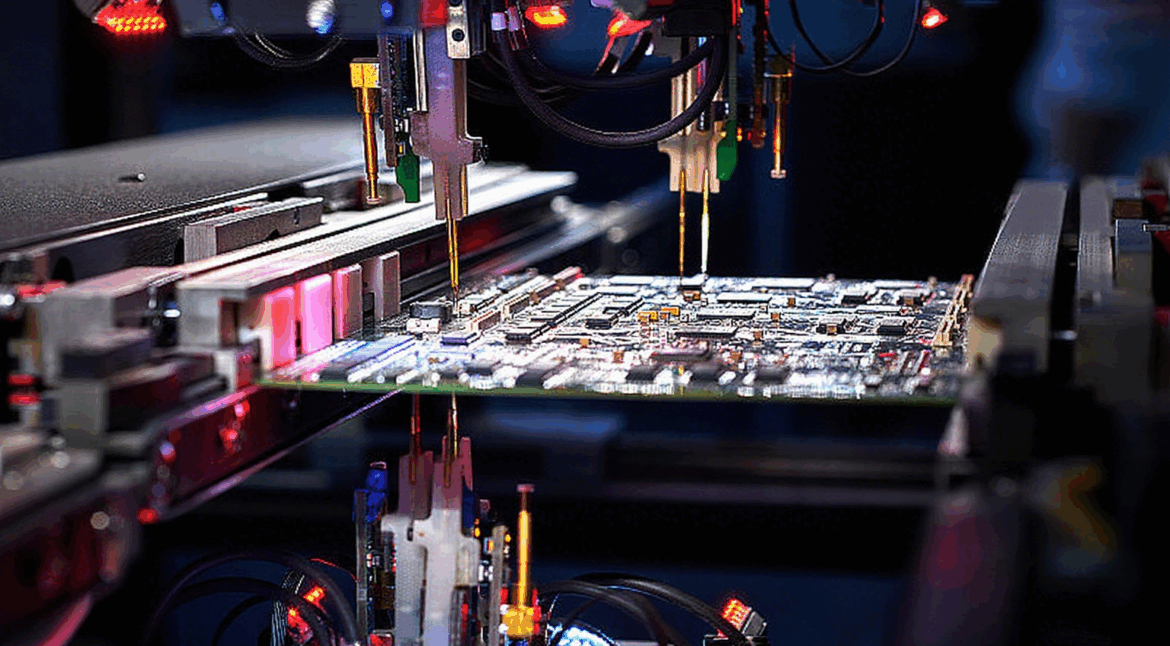
PCBA Assembly Tolerance: Standards, Stacks and Process Capability Assembly tolerance on a PCBA is the accumulated variation between where a component should be and where it actually lands, and it is the sum of several independent contributions rather than a single number. When a fine-pitch assembly fails intermittently, the cause…
Solder Paste Stencil: Thickness and Aperture Design A solder paste stencil is a thin metal sheet with apertures cut at the positions of the component pads, and it is the tool that decides how much paste lands on each pad. It is also the least glamorous and most frequently neglected…
Gaming Monitor PCB: A Complete Technical Guide A gaming monitor is a display that has been pushed in one direction further than an office monitor: it must update faster, respond faster and stay accurate while doing so. That single emphasis changes what the board behind the panel has to deliver.…
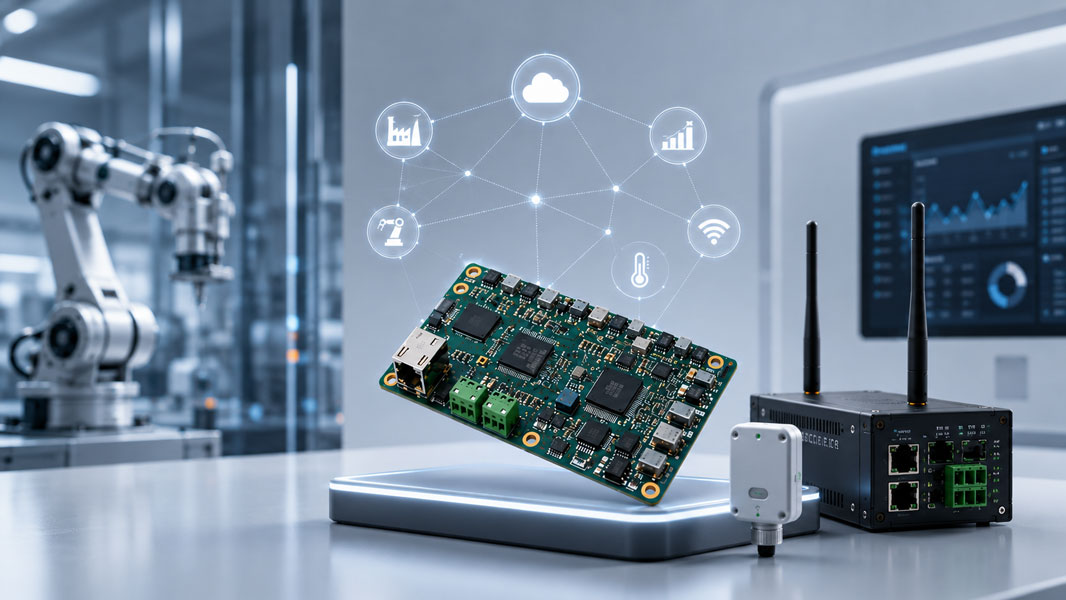
Smart Environment Monitoring PCB: Design Guide An environment monitoring device is a small, often battery-powered product that has to measure a handful of physical quantities accurately, report them over a wireless link, and run for months or years without attention. Those three requirements pull against each other, and the board…
Metal Stiffener PCB: Reinforcement for Flex Circuits A metal stiffener is a piece of stainless steel or aluminium bonded to a flexible circuit to give it rigidity where rigidity is needed. In the flex PCB world the stiffener is the component that turns a compliant substrate into something that can…
PCB Creepage and Clearance on A Board: Key Process and Quality Checks Buyers and engineers often focus on the finished product and forget the production line behind it. In practice, most field failures can be traced back to process decisions made during assembly. Understanding PCB creepage and clearance on a…
PCB Castellated Edge for Modules: Key Process and Quality Checks Modern electronics depend on boards that are assembled correctly the first time. Every product – a phone, a charger, a medical instrument or an industrial controller – relies on thousands of solder joints that must conduct current for years. This…
LTCC vs HTCC vs FR-4: How to Choose a Substrate Co-fired ceramics are the quiet workhorses of high-frequency and high-reliability electronics. LTCC and HTCC are both ceramic substrates built from stacked, printed layers fired as one body, and they differ from each other mainly in firing temperature and conductor metallurgy.…
Single Layer PCB Fabrication: Process and Where It Wins A single layer PCB is the simplest board that can be manufactured, and it remains in production in enormous volumes. Lighting drivers, power adapters, simple consumer devices, appliance controls and a long list of industrial modules are all built on one…
PCB Flux Residue and Ionic Contamination: From Design to Repeatable Production Electronics manufacturing has become a discipline of small details. Solder paste volumes, placement accuracy, temperature profiles and inspection limits all add up to the final result. This guide looks at PCB flux residue and ionic contamination from the perspective…