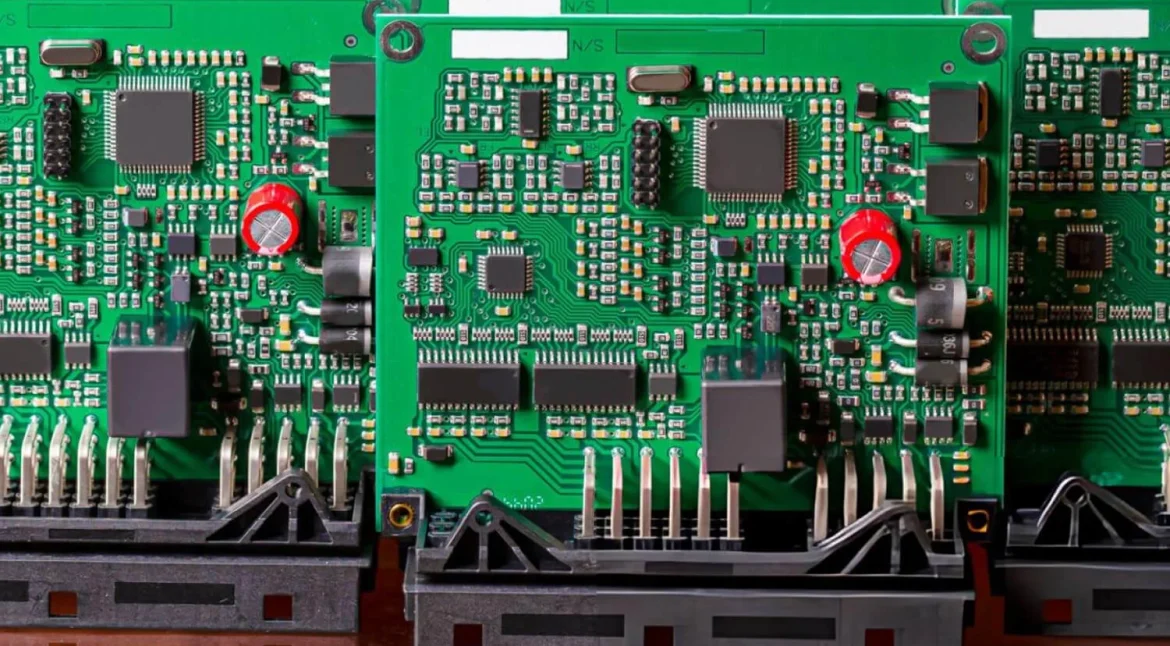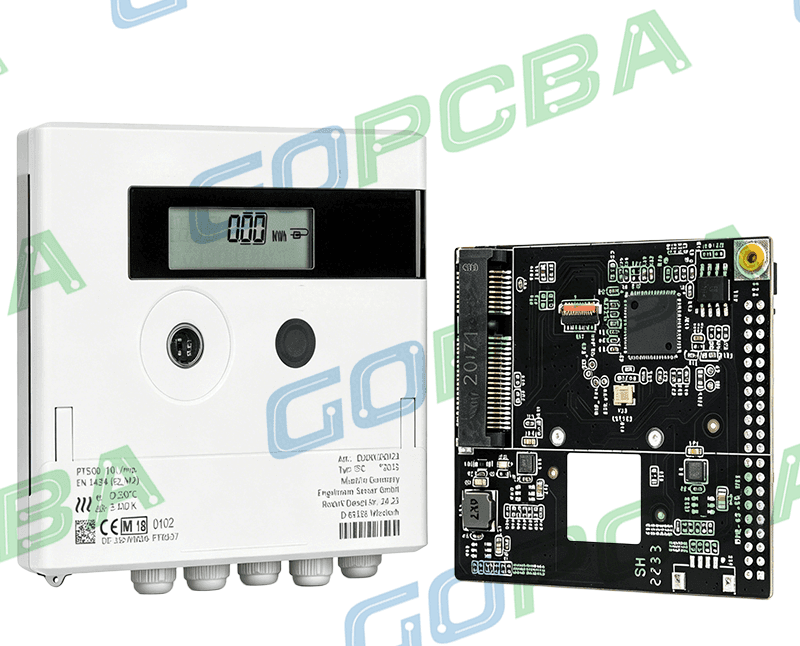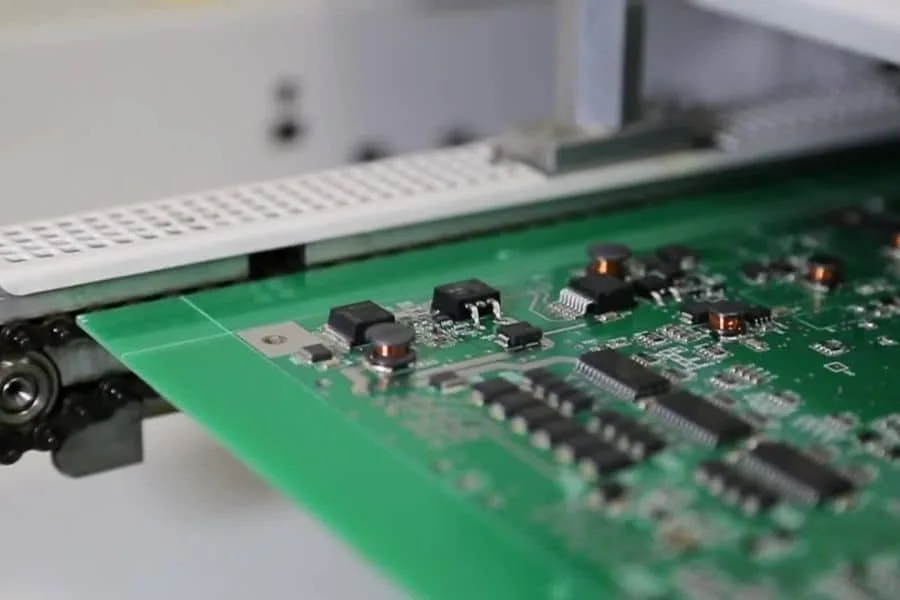
Security System PCB: Basic Knowledge Explained A security system is defined by the fact that it must work when everything else has failed. The power may be out, the network may be down, a cable may have been cut deliberately, and the system still has to detect, record and report.…
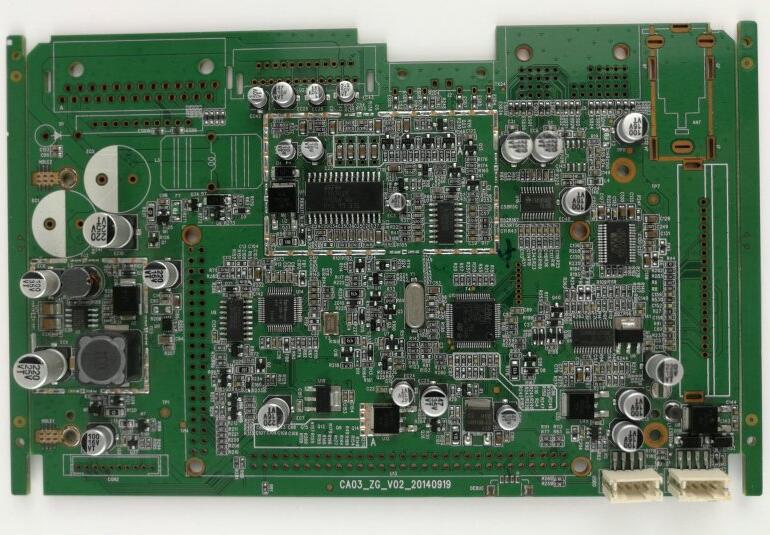
Radar System PCB: A Beginner Guide to Design Radar is one of the few applications where the printed circuit board is part of the radio itself. At the frequencies involved, the wavelength is comparable to the dimensions of the board, the traces behave as transmission lines with measurable loss, and…
PCB Sampling Plan for Outgoing Quality: From Design to Repeatable Production Electronics manufacturing has become a discipline of small details. Solder paste volumes, placement accuracy, temperature profiles and inspection limits all add up to the final result. This guide looks at PCB sampling plan for outgoing quality from the perspective…
PCB Control Chart in the Shop: What Buyers and Engineers Should Check Electronics manufacturing has become a discipline of small details. Solder paste volumes, placement accuracy, temperature profiles and inspection limits all add up to the final result. This guide looks at PCB control chart in the shop from the…
PCB Corrective Action Closure: What Buyers and Engineers Should Check Electronics manufacturing has become a discipline of small details. Solder paste volumes, placement accuracy, temperature profiles and inspection limits all add up to the final result. This guide looks at PCB corrective action closure from the perspective of a PCBA…
Server PCB: Architecture, Materials and Manufacturing Requirements A server PCB is a large, high-layer-count board that must deliver enormous current to a processor and move data at rates that leave very little margin in the channel. It is fabricated in small volumes compared with consumer products, and the tolerance for…
Microwave PCB Materials and Fabrication: A Practical Overview A microwave PCB is defined by controlled electrical properties rather than by a frequency label. At microwave frequencies, the laminate’s dielectric constant, the loss tangent and the roughness of the copper all contribute to insertion loss, and the geometry of every transition…
Surface Finish Comparison: ENEPIG, OSP, Immersion Tin and HASL Surface finish selection is one of the few decisions that affects fabrication, assembly and field reliability at the same time. There are six common options, and each is the right answer for a specific combination of pitch, storage period, assembly method…
PCB Assembly Drawing Notes: Design and Assembly Considerations Electronics manufacturing has become a discipline of small details. Solder paste volumes, placement accuracy, temperature profiles and inspection limits all add up to the final result. This guide looks at PCB assembly drawing notes from the perspective of a PCBA factory floor,…
HDI PCB Prototyping: Microvia Stackup and Design Rules HDI PCB prototyping is the stage where a dense design is proven on real laminate before tooling and volume commitments are made. A prototype run has to answer three questions at once: can the microvia stack be drilled and filled reliably, does…