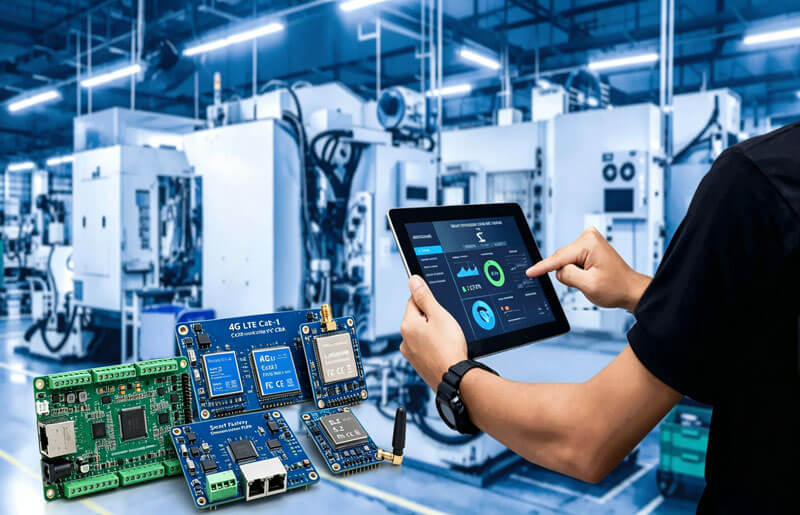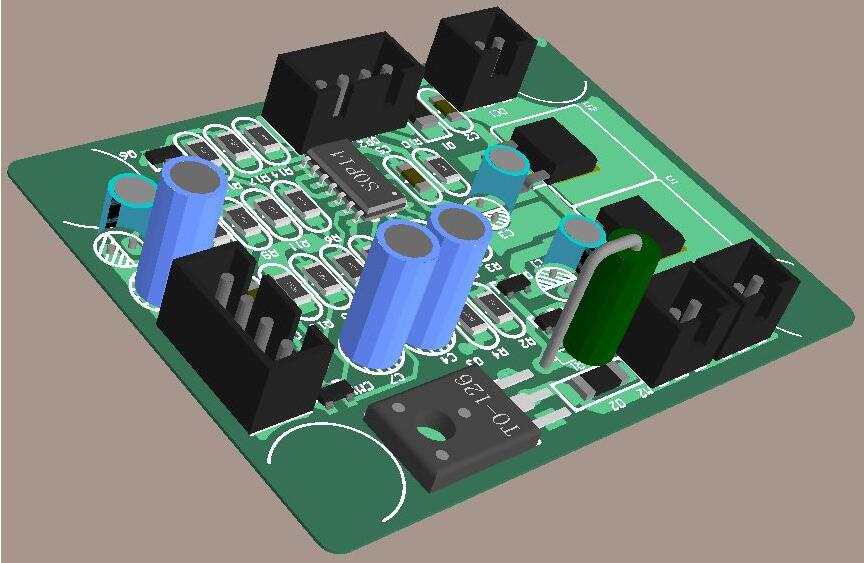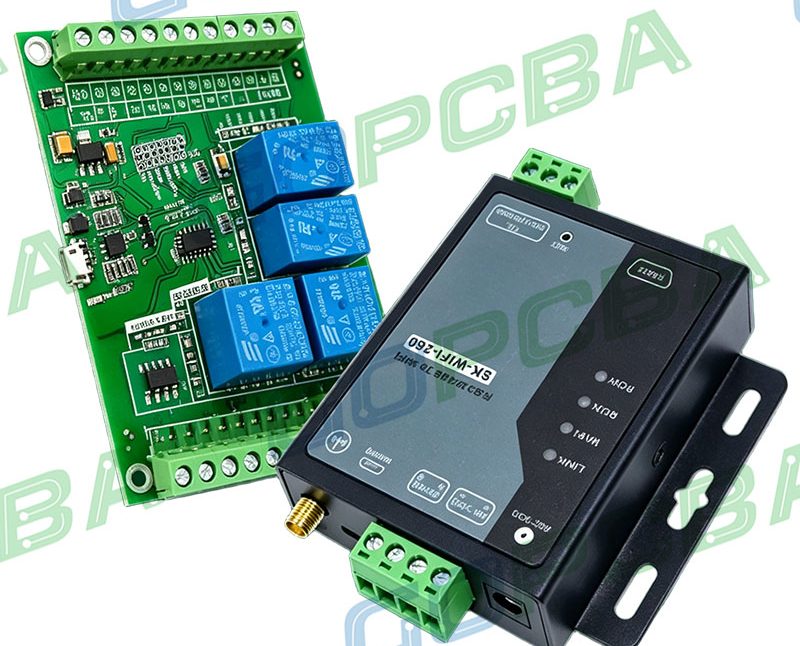
Automotive Control PCB: Reliability Rules for Vehicle Electronics An automotive control PCB has to work in conditions that would end the life of a consumer board. It sees ambient temperatures from well below freezing to over a hundred degrees, it is mounted on a structure that vibrates continuously, it is…
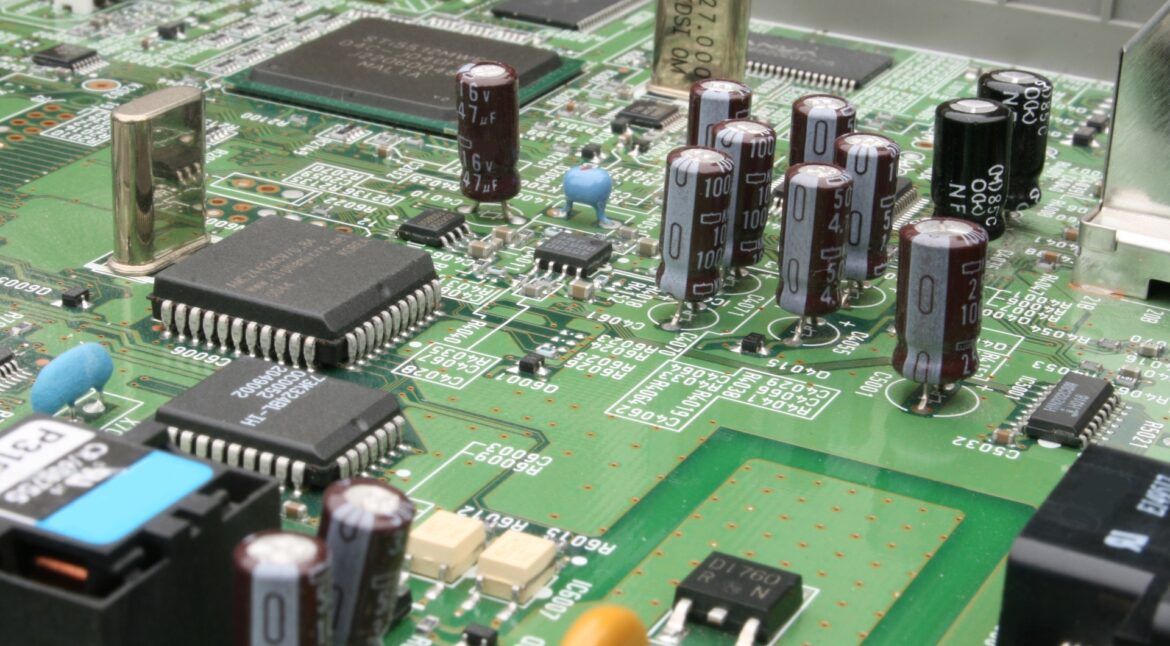
DVD Player PCB: Structure, Function and Repair Guide A DVD player is one of the last mass-market products built around a mechanical system that must be controlled to microscopic precision, and the board that does the controlling is a useful case study in mixed-signal design. A DVD player PCB reads…
PCB Immersion Silver Storage: Design, Process, and Quality Notes Electronics manufacturing has become a discipline of small details. Solder paste volumes, placement accuracy, temperature profiles and inspection limits all add up to the final result. This guide looks at PCB immersion silver storage from the perspective of a PCBA factory…
PCB Trace Fusing Current: Design, Process, and Quality Notes Modern electronics depend on boards that are assembled correctly the first time. Every product – a phone, a charger, a medical instrument or an industrial controller – relies on thousands of solder joints that must conduct current for years. This article…
DVR PCB: Structure, Function and Key Components A digital video recorder is a device that must accept several camera streams at once, compress them, store them continuously and serve them back to a viewer who may be anywhere on the network. The DVR PCB is where all of that happens,…
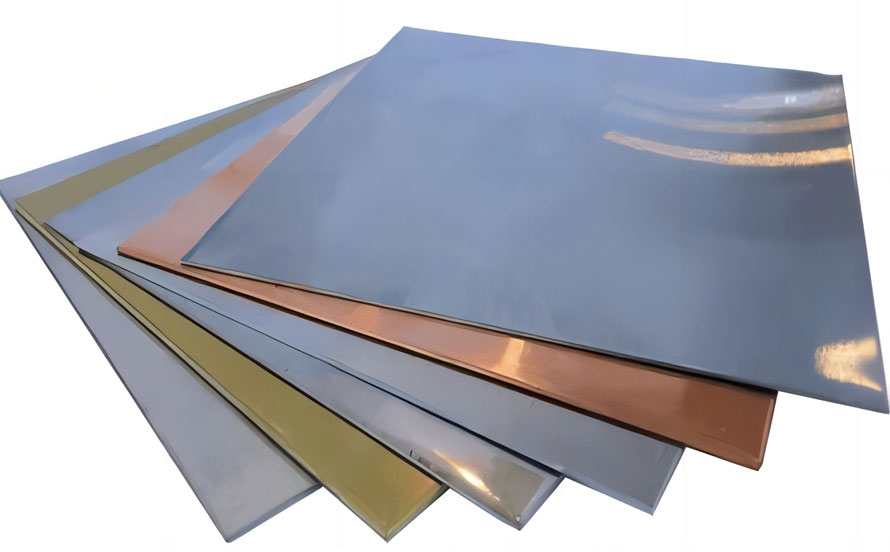
MCPCB Thickness: How Board Thickness Affects Thermal Performance MCPCB thickness determines two things at once: how well the board removes heat from a component, and whether the assembly survives the mechanical and thermal stress of manufacturing and use. The two requirements often pull in opposite directions. A metal core printed…
PCB ENIG Black Pad Failure: Process Details and Inspection Points Modern electronics depend on boards that are assembled correctly the first time. Every product – a phone, a charger, a medical instrument or an industrial controller – relies on thousands of solder joints that must conduct current for years. This…
OSP PCB: Organic Solderability Preservative Explained An organic solderability preservative is the least visible of the common finishes. It adds no measurable thickness, leaves no metal on the pad and costs less than any of the alternatives, yet it is the standard choice for a large share of fine pitch…
PCB Nitrogen Reflow Benefits: Ovens With Less Oxygen Electronics manufacturing has become a discipline of small details. Solder paste volumes, placement accuracy, temperature profiles and inspection limits all add up to the final result. This guide looks at PCB nitrogen reflow benefits from the perspective of a PCBA factory floor,…
LED Strip PCB: Voltage Drop, Segments and Thermal Design An LED strip is a long, narrow circuit board with LEDs mounted at regular intervals along its length. The design looks simple, and that is the trap. Over a length of several metres the copper resistance accumulates, the voltage at the…