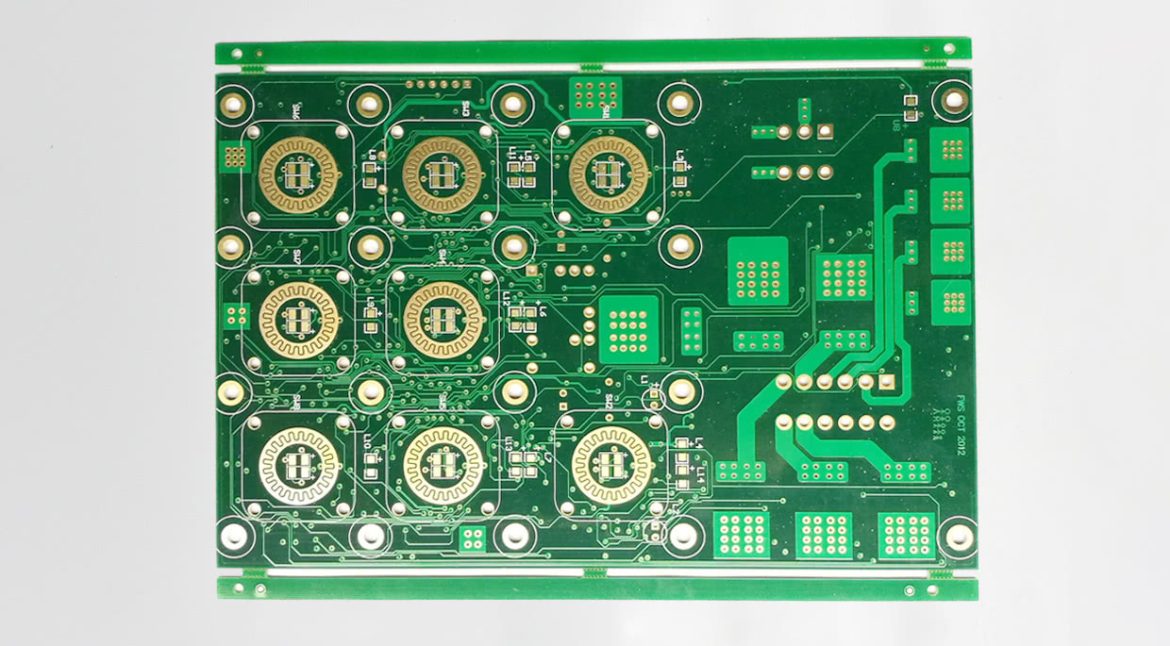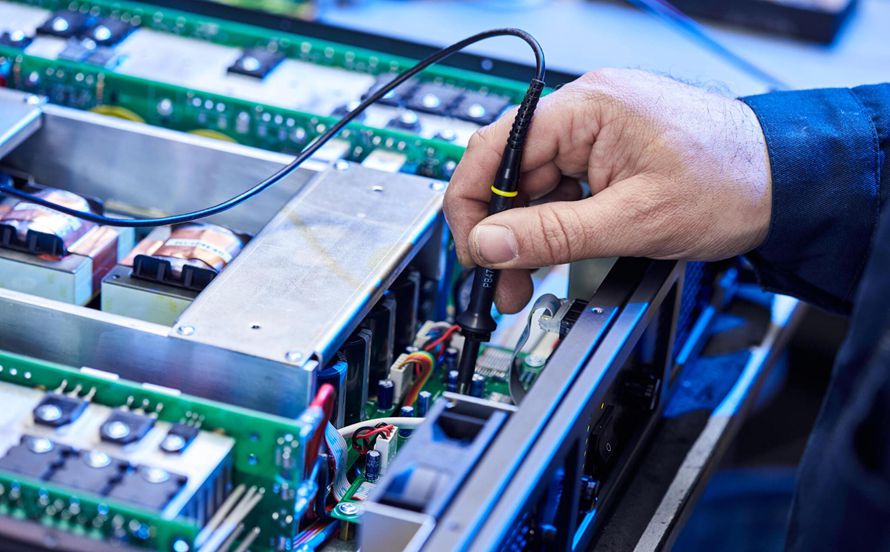
Air Conditioner PCB: Isolation, Relays and Inverter Drive An air conditioner contains at least two boards that talk to each other, and between them they switch mains voltage, run a variable-speed compressor and read a handful of sensors. The result is a control design with an unusual combination of constraints:…

Fiberglass PCB: The FR-4 Substrate Explained Almost every rigid circuit board in production is a fiberglass PCB, even when nobody uses that term. The familiar green or blue board is a composite of woven glass cloth and epoxy resin, with copper foil bonded to the faces, and the properties of…
94V-0 PCB: What the Flammability Rating Means A flammability rating appears on almost every fabrication drawing and is rarely understood by the people who specify it. A 94V-0 PCB is not a board that cannot burn; it is a board whose laminate, tested in a standardised way, stops burning within…
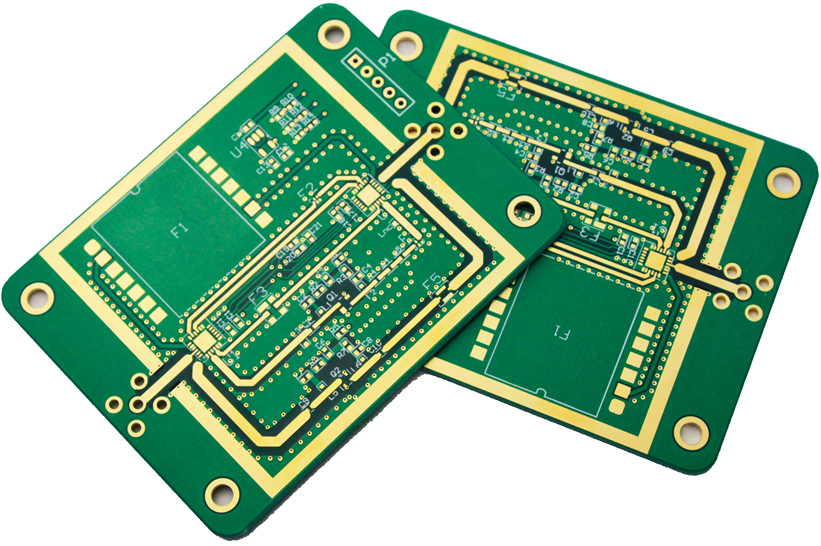
PCB Hard Gold Versus ENIG: Covering a Contact Finger Edge fingers and contact pads face a different life from the rest of the board. They slide into sockets, rub against spring contacts and survive repeated insertions. The finish on those surfaces decides how long the connection stays clean. Hard gold…
PCB Gold Finger Bevel: Practical Process Controls Buyers and engineers often focus on the finished product and forget the production line behind it. In practice, most field failures can be traced back to process decisions made during assembly. Understanding PCB gold finger bevel gives you a practical advantage when you…
PCB Soak Zone in the Profile: Practical Process Controls Buyers and engineers often focus on the finished product and forget the production line behind it. In practice, most field failures can be traced back to process decisions made during assembly. Understanding PCB soak zone in the profile gives you a…
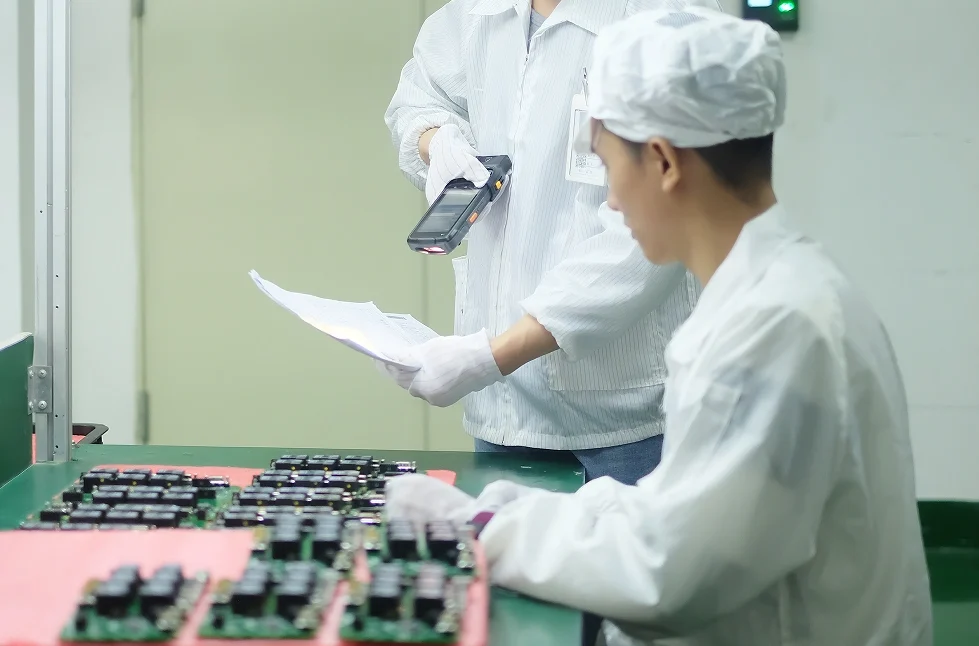
PCB Voiding in Thermal Pads: A Factory-Floor Review Electronics manufacturing has become a discipline of small details. Solder paste volumes, placement accuracy, temperature profiles and inspection limits all add up to the final result. This guide looks at PCB voiding in thermal pads from the perspective of a PCBA factory…
Drone PCB: A Beginner Guide to Design and Layout A drone is a flying machine that happens to contain a computer, and its circuit board is judged by different standards from a board that sits on a desk. It has to be light, it has to tolerate vibration and the…
Drone PCB Design: Weight, Vibration and Power A drone is a flying vibration environment with a battery attached. Every design decision on its board is weighed against mass, and the board must simultaneously survive continuous vibration, deliver tens of amps to the motors and keep a radio link working next…
PCB Trace Design: Types, Materials, and Width Rules Every circuit is only as good as the copper that connects it. A PCB trace carries both power and signal, and its geometry decides whether a design performs as intended or behaves differently on every board. The parameters involved, width, spacing, copper…