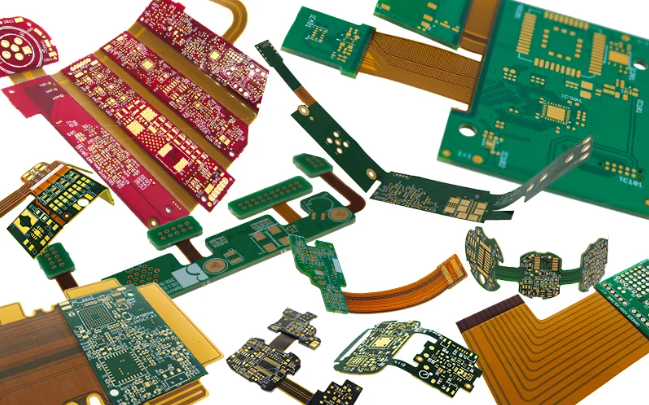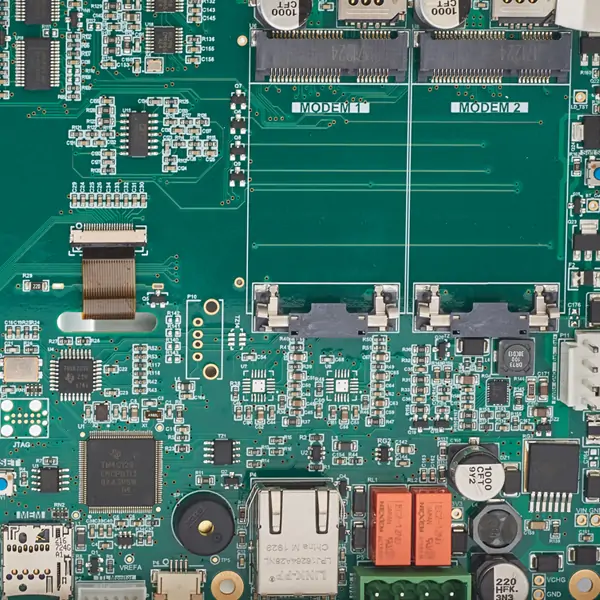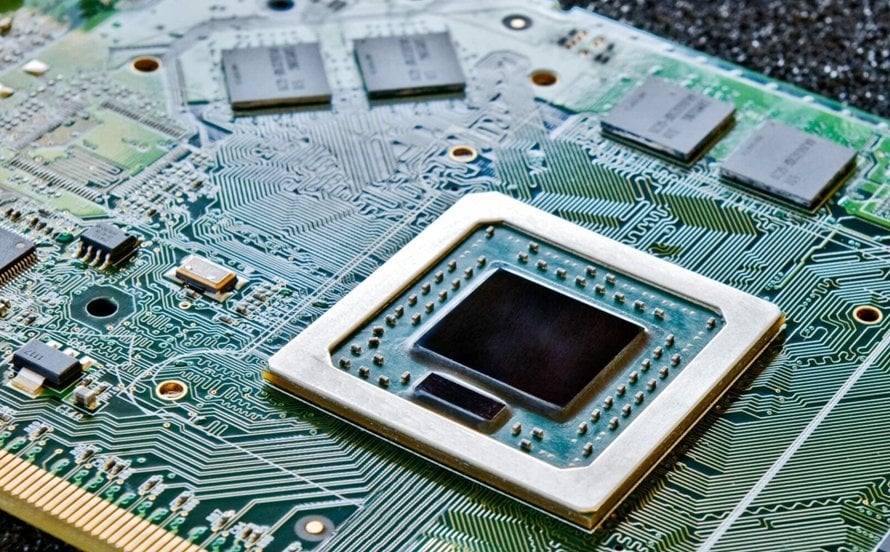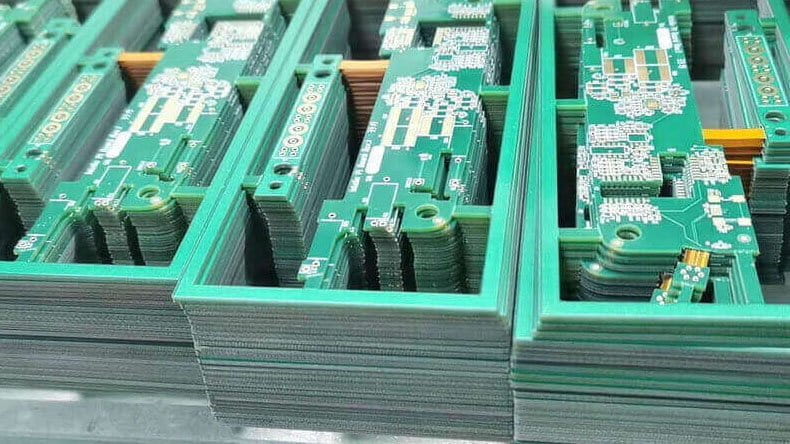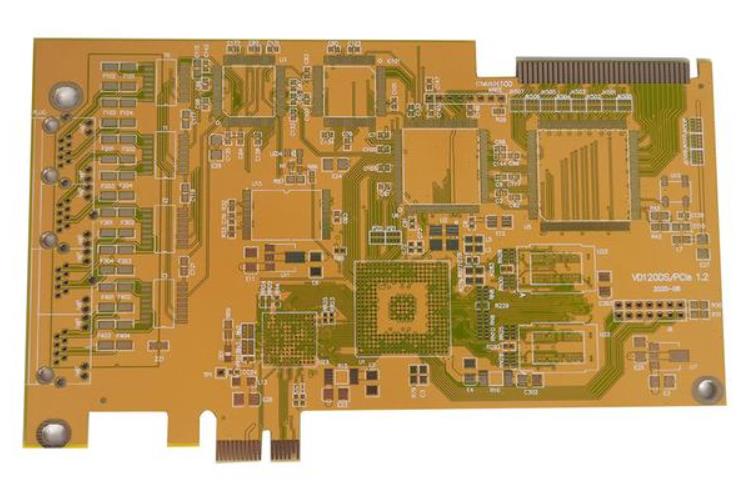
High Tg PCB: Advantages, Applications, and Materials Thermal performance decides how long a circuit board survives, and the threshold that describes it is the glass transition temperature. A high Tg PCB is one built on laminate whose glass transition sits well above the standard range, which lets the board keep…
PCB Blind Via Cost: What Drives the Price A blind via is one of the few design features whose cost is set almost entirely by how the fabricator has to build the board rather than by the amount of material it consumes. A single blind via adds almost nothing; the…
PCB Test Points: Design, Placement and Best Practices PCB test points are the least glamorous features on a board and the ones most often deleted when space gets tight. That deletion is usually regretted, because a net that cannot be probed has to be diagnosed through the components attached to…
PCB Standard Work Instruction Sheet: Key Process and Quality Checks Buyers and engineers often focus on the finished product and forget the production line behind it. In practice, most field failures can be traced back to process decisions made during assembly. Understanding PCB standard work instruction sheet gives you a…
PCB Inkjet Marking on Solder Mask: From Design to Repeatable Production Buyers and engineers often focus on the finished product and forget the production line behind it. In practice, most field failures can be traced back to process decisions made during assembly. Understanding PCB inkjet marking on solder mask gives…
PCB A3 Report for An Improvement: Design, Process, and Quality Notes Buyers and engineers often focus on the finished product and forget the production line behind it. In practice, most field failures can be traced back to process decisions made during assembly. Understanding PCB A3 report for an improvement gives…
PCB Mistake Proofing on the Line: What Buyers and Engineers Should Check Electronics manufacturing has become a discipline of small details. Solder paste volumes, placement accuracy, temperature profiles and inspection limits all add up to the final result. This guide looks at PCB mistake proofing on the line from the…
PCB Poka Yoke in Assembly: Making the Wrong Move Impossible Most assembly defects are not caused by careless people. They are caused by processes that allow a wrong move to succeed quietly. Poka yoke, or error proofing, changes that balance. It makes the incorrect part, the wrong orientation or the…
PCB Visual Management on the Floor: Design, Process, and Quality Notes Electronics manufacturing has become a discipline of small details. Solder paste volumes, placement accuracy, temperature profiles and inspection limits all add up to the final result. This guide looks at PCB visual management on the floor from the perspective…
Where PCB Lead Time Comes From: Tooling, Panels and Press Cycles PCB manufacturing lead time is a sum of queue time, process time and inspection time, and only one of those is under the fabricator’s direct control. Engineers tend to picture a production line where a board enters at one…