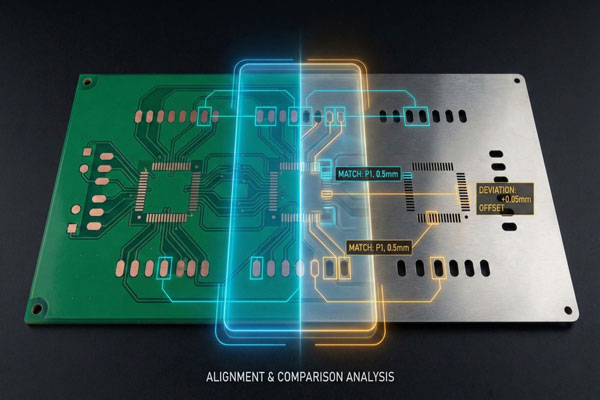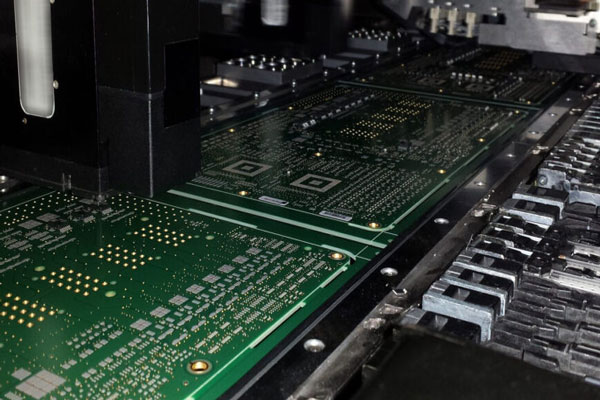
Five Factors That Shape a PCB Manufacturing Order Two boards with identical schematics can differ threefold in price, and the reason is never the circuit. The variables that decide what a PCB manufacturing order costs and how long it takes are settled long before the order is placed, during design…
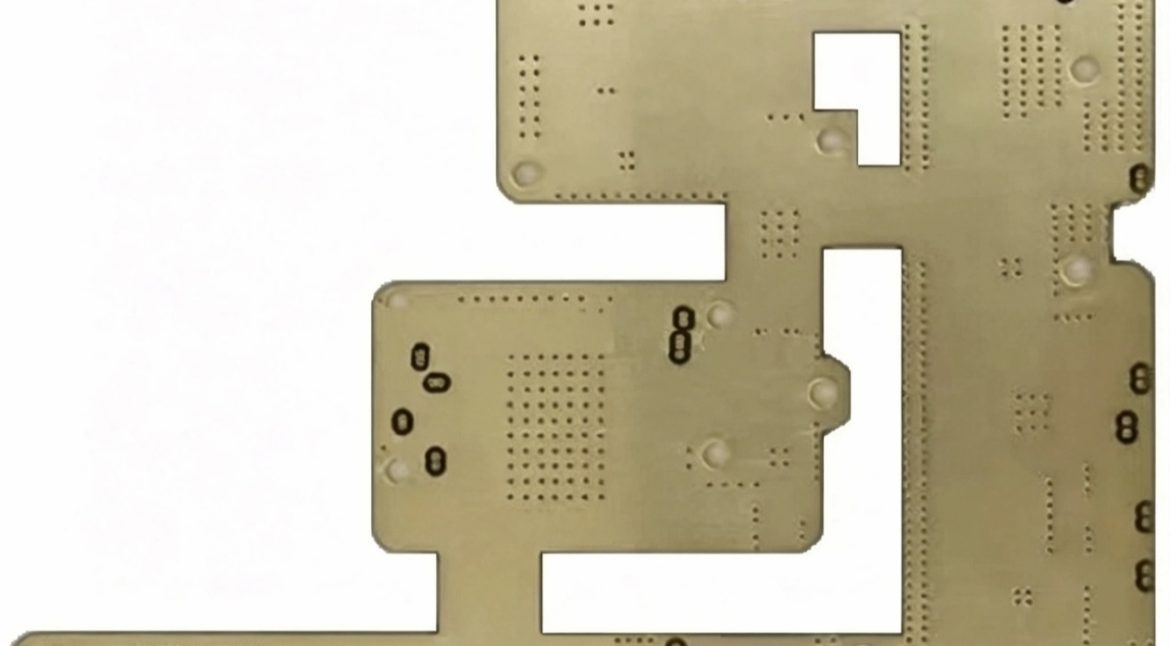
What Drives Flexible PCB Cost Flexible printed circuits are the default interconnect in products where space is tight and the harness has to bend. They are light, thin, and can be shaped to follow an enclosure, which is why they appear in phones, wearables, cameras, and instrument clusters. The cost…
PCB Gold Fingers: Plating Stack, Bevel and Wear Life PCB gold fingers are the plated strips along a board edge that slide into a socket and carry power and signals between the board and the system. They look simple, and that is why they are often specified carelessly. The plating…
PCBs With Blind and Buried Vias: Design and Applications A through hole is the simplest interconnect in a printed circuit board and, on a dense design, also the most wasteful. It occupies a footprint on every layer it passes through, whether or not it connects anything there, and a cluster…
HDI PCB vs Standard PCB: Differences and Selection Not every board has to be built the same way, and the gap between a conventional board and a high density interconnect board has widened to the point where they are almost different products. Choosing between them is not a matter of…
PCB PPAP Submission for Automotive: Design and Assembly Considerations Modern electronics depend on boards that are assembled correctly the first time. Every product – a phone, a charger, a medical instrument or an industrial controller – relies on thousands of solder joints that must conduct current for years. This article…
PCB Control Plan Writing: Design and Assembly Considerations Modern electronics depend on boards that are assembled correctly the first time. Every product – a phone, a charger, a medical instrument or an industrial controller – relies on thousands of solder joints that must conduct current for years. This article explains…
PCB FMEA for A Process: Process Details and Inspection Points Modern electronics depend on boards that are assembled correctly the first time. Every product – a phone, a charger, a medical instrument or an industrial controller – relies on thousands of solder joints that must conduct current for years. This…
FFC vs FPC: Choosing a Flexible Interconnect Two flat cables look almost identical on a drawing, yet one is a set of parallel conductors laminated between plastic films and the other is a printed circuit patterned on a flexible substrate. The difference decides cost, tooling, bend behaviour and how much…
PCB IPC Class Selection: Choosing How Strict to Be Electronics manufacturing has become a discipline of small details. Solder paste volumes, placement accuracy, temperature profiles and inspection limits all add up to the final result. This guide looks at PCB IPC class selection from the perspective of a PCBA factory…