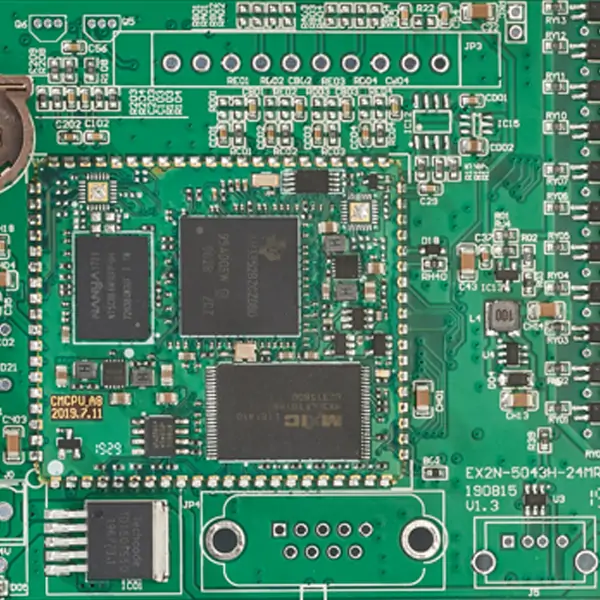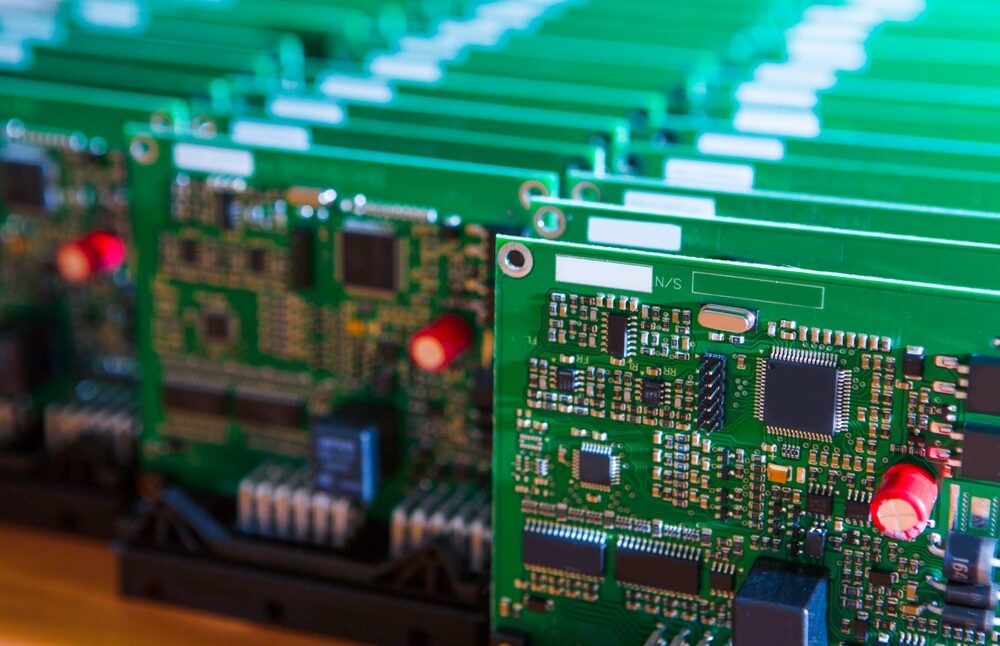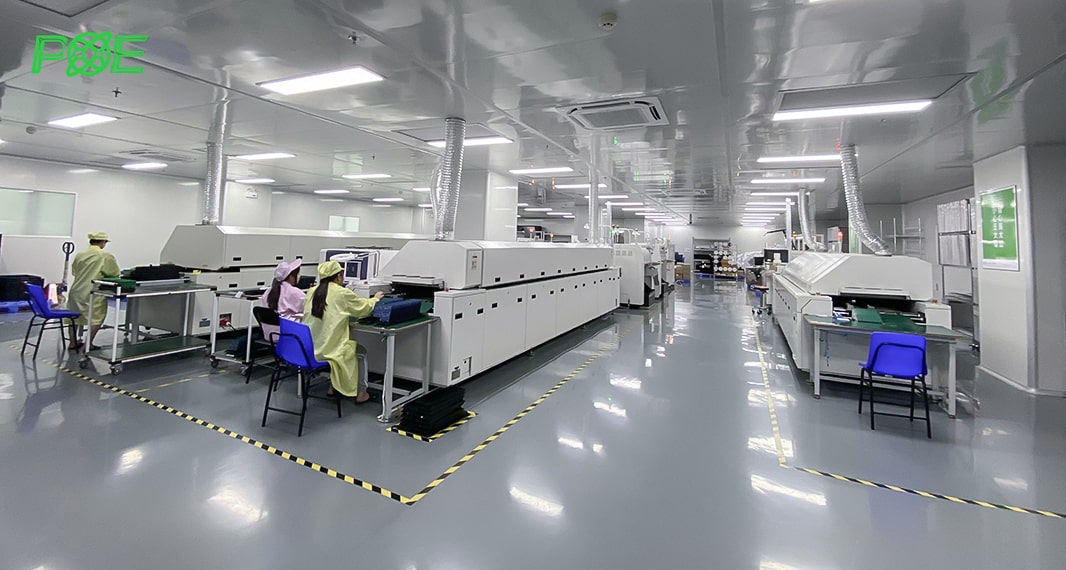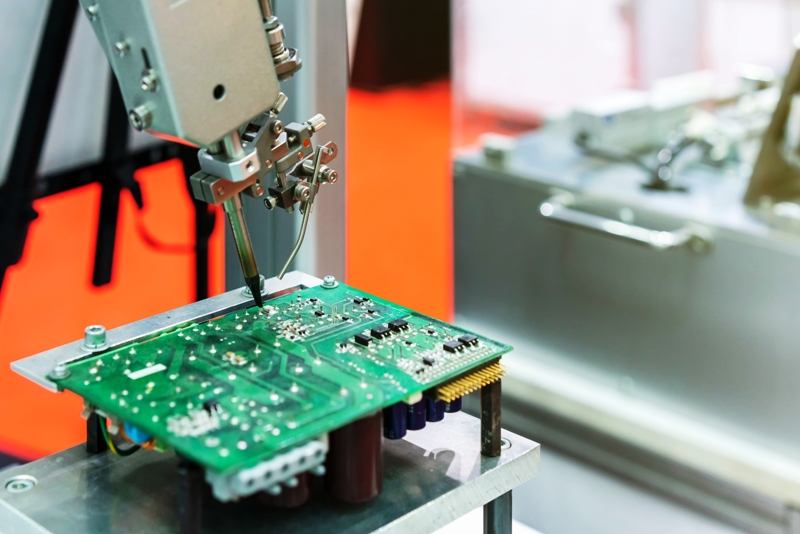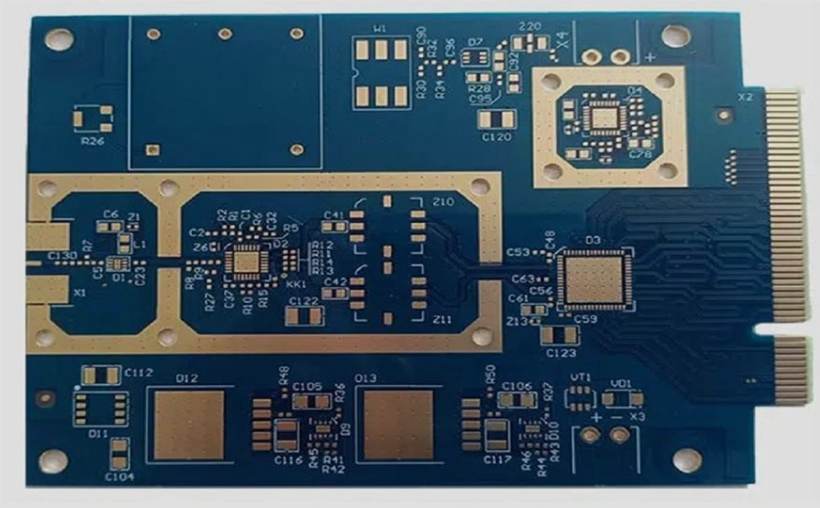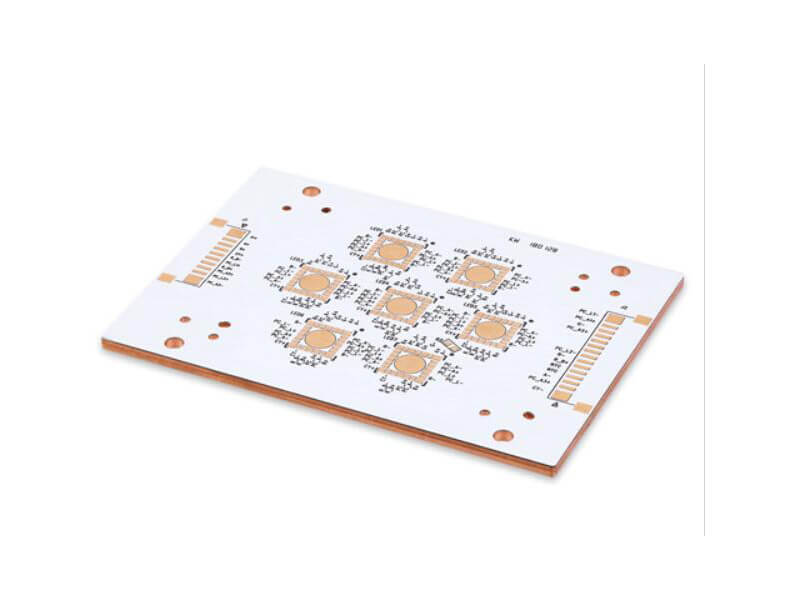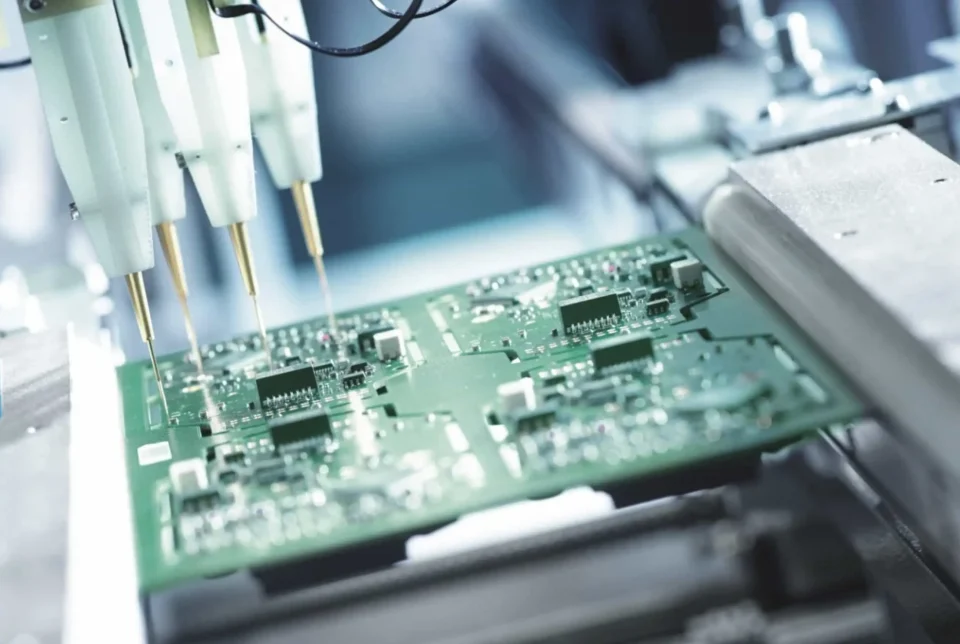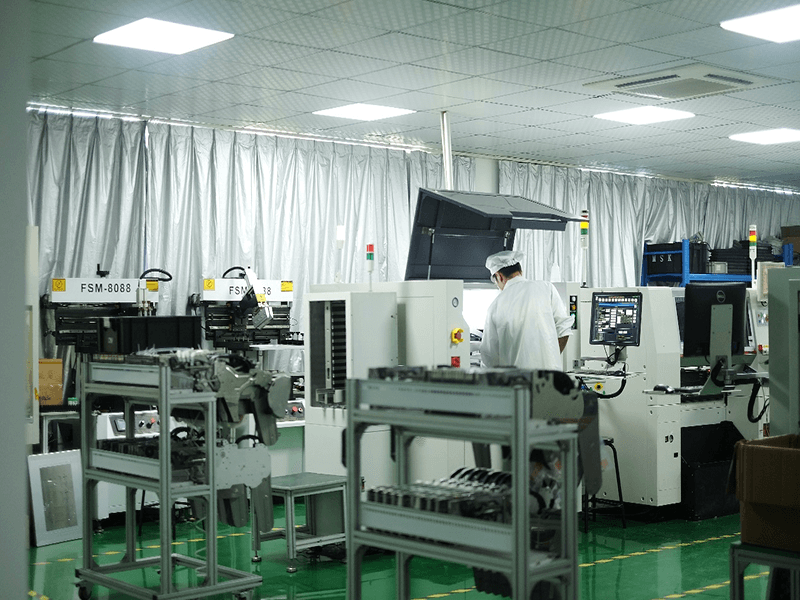
PCB Prototype Production Flow: Cutting, Drilling and Plating A prototype order moves through the same production line as a volume order, but with different economics. Setup dominates, quantities are small, and the process has to be flexible enough to handle a design that has never been built before. Understanding the…
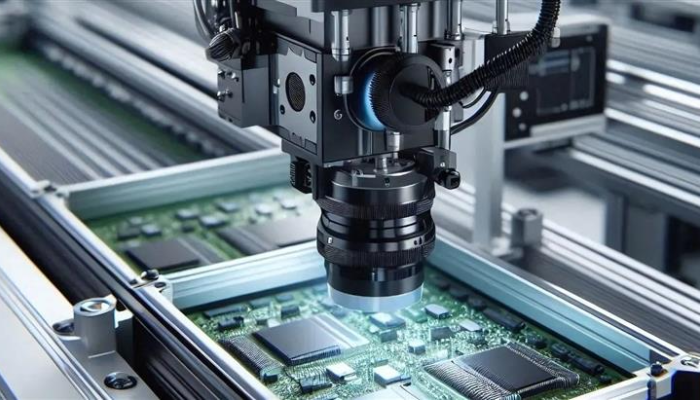
PCB Anode Bag Maintenance: The Bag Around the Anode Plating lines fail quietly, and the anode bag is often the last place anyone looks. The bag wraps the anode and traps sludge before it drifts into the bath. When the cloth tears or clogs, particles reach the cathode and plate…
PCB Plating Rectifier Ripple: What Buyers and Engineers Should Check Buyers and engineers often focus on the finished product and forget the production line behind it. In practice, most field failures can be traced back to process decisions made during assembly. Understanding PCB plating rectifier ripple gives you a practical…
Resistor Selection for PCB Design: Power, Voltage and 0 Ohm Uses Choosing a resistor looks like the simplest task in a schematic, and it is where a surprising number of reliability problems begin. Two engineers can specify the same 10 k value and end up with one circuit that works…
Panel and Fiducial Design Rules for Automated SMT Assembly An automated surface mount line can place tens of thousands of parts an hour, but only if the board presents itself to the machine in a form the machine can handle. Panel geometry, edge conditions, fiducial placement and tooling holes are…
PCB Electroless Copper Bath Control: A Practical Manufacturing Guide Modern electronics depend on boards that are assembled correctly the first time. Every product – a phone, a charger, a medical instrument or an industrial controller – relies on thousands of solder joints that must conduct current for years. This article…
PCB Desmear for Multilayer: A Practical Manufacturing Guide Modern electronics depend on boards that are assembled correctly the first time. Every product – a phone, a charger, a medical instrument or an industrial controller – relies on thousands of solder joints that must conduct current for years. This article explains…
PCB Plating Rack Contact Points: Design and Assembly Considerations Buyers and engineers often focus on the finished product and forget the production line behind it. In practice, most field failures can be traced back to process decisions made during assembly. Understanding PCB plating rack contact points gives you a practical…
Flexible Circuit Board Types: Single-Sided to Rigid-Flex A flexible circuit is not simply a thin rigid board. It is built on a different material system, assembled with a different set of processes, and available in several constructions that trade flexibility against wiring density and cost. Knowing which construction suits a…
PCB Plating Throwing Power: Process Details and Inspection Points Modern electronics depend on boards that are assembled correctly the first time. Every product – a phone, a charger, a medical instrument or an industrial controller – relies on thousands of solder joints that must conduct current for years. This article…