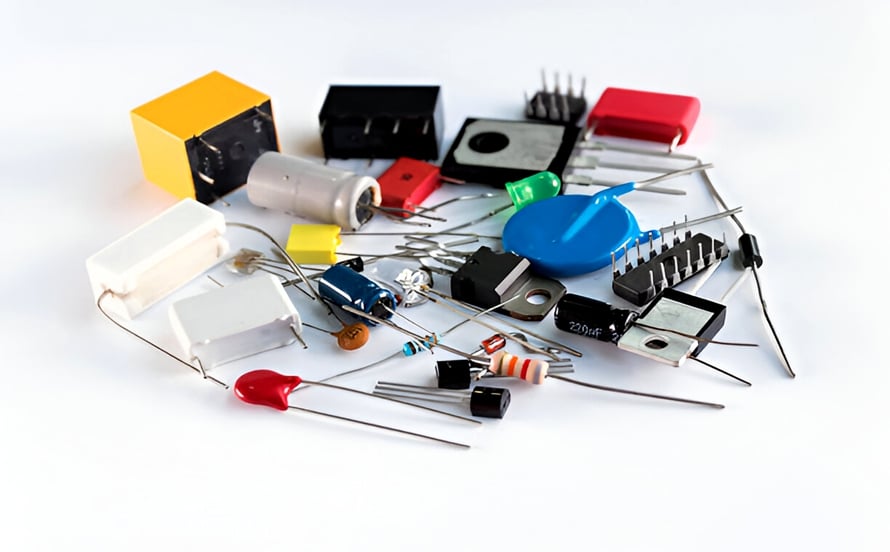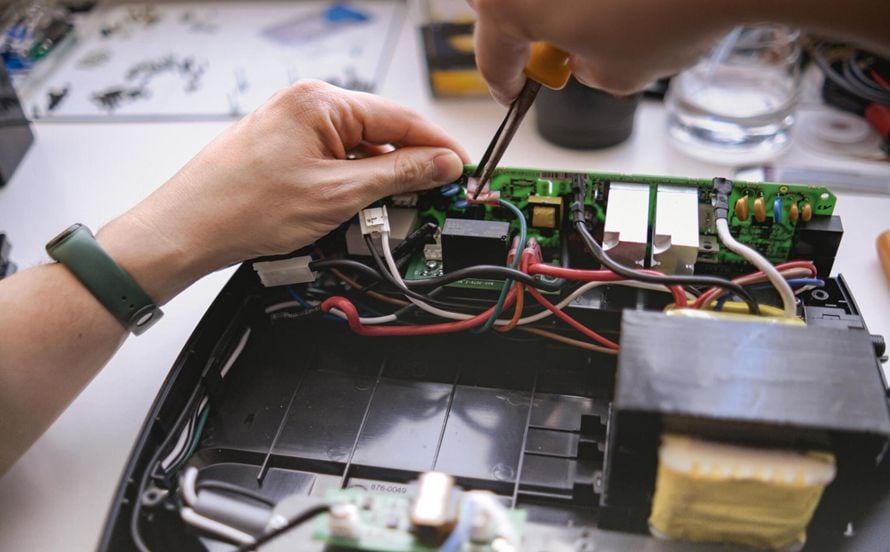
Component Selection for PCB Prototypes: ESD and Latch-Up A prototype board is only as robust as its most fragile component. Electrostatic discharge sensitivity, latch-up susceptibility and the behaviour of floating inputs are properties of the device selection and the surrounding network, not of the layout alone, and they mostly appear…

Good PCB Design Practice: Noise, Impedance and Clock Routing Connecting every net so that the board passes a continuity test is the beginning of layout, not the end of it. The difference between a board that works on the bench and one that works everywhere is made up of a…
Diagnosing a Via Plating Defect in Production An intermittent communication fault on a small percentage of units is one of the harder problems to solve, because the board passes its functional test when it is cold and fails after it has been running for a while. The case below describes…
High-Speed PCB Design Basics: Stackup, Bends, and Via Transitions High-speed design is often presented as a collection of rules without an explanation of why they exist. The underlying model is straightforward: a conductor carrying a fast edge is a transmission line, its return current follows the reference plane beneath it,…
PCB Drill Wear and Hole Quality: Key Process and Quality Checks Electronics manufacturing has become a discipline of small details. Solder paste volumes, placement accuracy, temperature profiles and inspection limits all add up to the final result. This guide looks at PCB drill wear and hole quality from the perspective…
PCB Hole Wall Roughness: Key Process and Quality Checks Electronics manufacturing has become a discipline of small details. Solder paste volumes, placement accuracy, temperature profiles and inspection limits all add up to the final result. This guide looks at PCB hole wall roughness from the perspective of a PCBA factory…
FPC Stiffeners and Auxiliary Materials: What Each One Does A flexible circuit is not simply a thin rigid board. It is built on a polymer base that can bend, and it depends on a set of auxiliary materials that provide stiffness where components are soldered, protection where the circuit is…
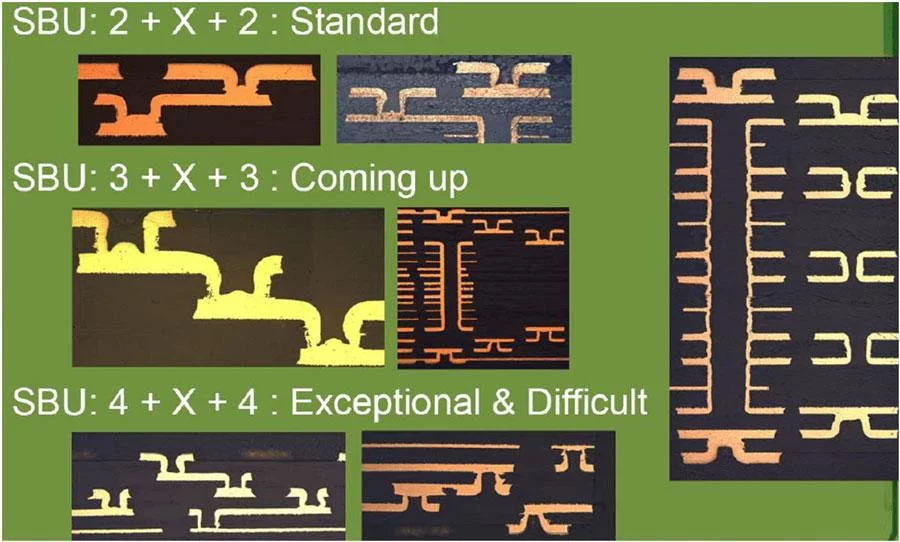
PCB Laser Drilling Through Dielectric: Holes for the Dense Boards Buyers and engineers often focus on the finished product and forget the production line behind it. In practice, most field failures can be traced back to process decisions made during assembly. Understanding PCB laser drilling through dielectric gives you a…
PCB Drilling Entry and Exit Material: What Buyers and Engineers Should Check Buyers and engineers often focus on the finished product and forget the production line behind it. In practice, most field failures can be traced back to process decisions made during assembly. Understanding PCB drilling entry and exit material…
PCB Etching Uniformity Across Panel: The Same Depth Everywhere Electronics manufacturing has become a discipline of small details. Solder paste volumes, placement accuracy, temperature profiles and inspection limits all add up to the final result. This guide looks at PCB etching uniformity across panel from the perspective of a PCBA…