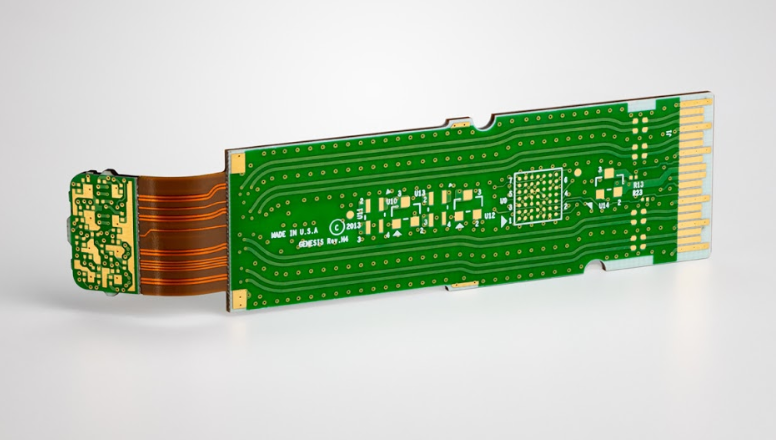
PCB Rigid Flex Assembly Handling: Keeping Both Parts Happy Modern electronics depend on boards that are assembled correctly the first time. Every product – a phone, a charger, a medical instrument or an industrial controller – relies on thousands of solder joints that must conduct current for years. This article…

Factory Size and Fit: Which Tier Suits Your Order Assembly businesses fall into recognisable groups, and the grouping is not a ranking. A factory organised around very large orders is not better or worse than one organised around many small ones; it is a different instrument, and the question is…
PCB Flexible Sensor Integration: Sensing on a Flex Buyers and engineers often focus on the finished product and forget the production line behind it. In practice, most field failures can be traced back to process decisions made during assembly. Understanding PCB flexible sensor integration gives you a practical advantage when…
Order Visibility: Knowing Where the Batch Is An order that disappears into a factory for two weeks creates its own problems, and they are not only emotional. A customer who does not know whether the material has arrived cannot decide whether to tell their own customer that the date is…
PCB Flexible Antenna Design: An Aerial You Can Bend Electronics manufacturing has become a discipline of small details. Solder paste volumes, placement accuracy, temperature profiles and inspection limits all add up to the final result. This guide looks at PCB flexible antenna design from the perspective of a PCBA factory…
PCB Flexible Heater Design: Heat on a Flex Buyers and engineers often focus on the finished product and forget the production line behind it. In practice, most field failures can be traced back to process decisions made during assembly. Understanding PCB flexible heater design gives you a practical advantage when…
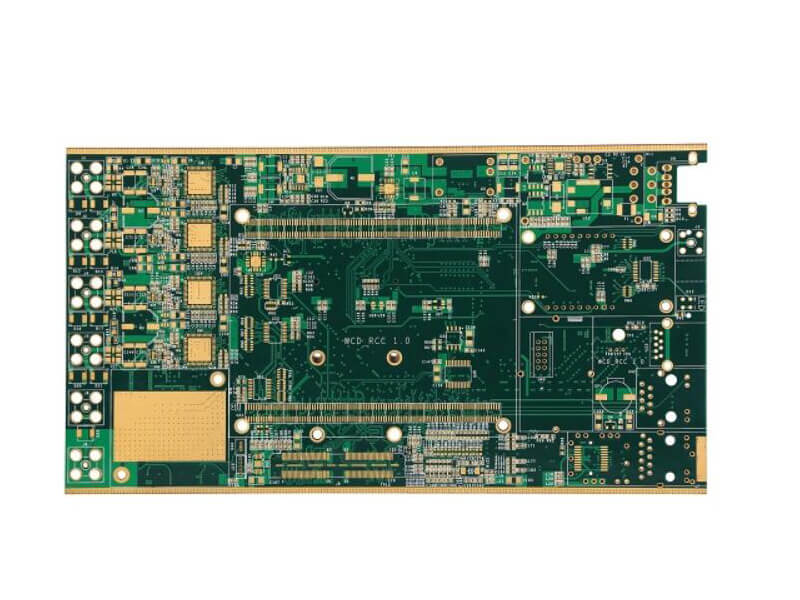
Lamination, Drilling and Plating on a Deep Stack A board with thirty or more layers is not simply a taller version of a six-layer one. The processes are the same in name, but each of them is performed under tighter conditions, and the tolerances accumulate in a way that makes…
PCB Flex Assembly Handling: Holding a Flex A flex circuit fails in ways a rigid board never does. Bend it once in the wrong place and the copper trace cracks, even though the surface looks fine. Handling is therefore a process step, not a matter of care. It starts at…
Large Thick Boards: Warpage Control in Reflow A board that is large and thick behaves differently from a small one at every stage of assembly. It carries more thermal mass, it distorts more readily under heat, and the accuracy of placement has to be maintained over a longer distance. Boards…
PCB Flex Coverlay Lamination: Pressing the Cover On Modern electronics depend on boards that are assembled correctly the first time. Every product – a phone, a charger, a medical instrument or an industrial controller – relies on thousands of solder joints that must conduct current for years. This article explains…