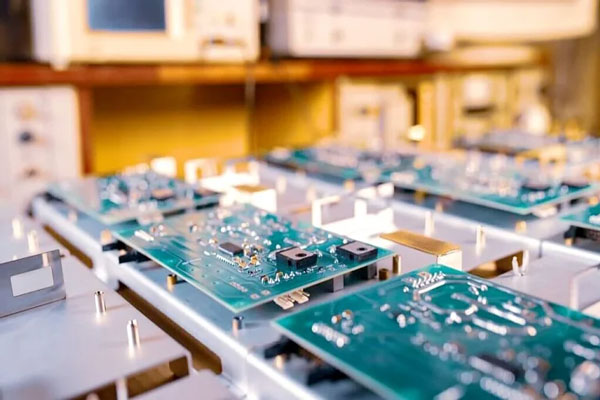
PCB Wave Solder Wave Height: Key Process and Quality Checks Modern electronics depend on boards that are assembled correctly the first time. Every product – a phone, a charger, a medical instrument or an industrial controller – relies on thousands of solder joints that must conduct current for years. This…
Five Thousand Robot Units: What the Electronics Chain Scales First In early September 2026, reports indicated that a major electric vehicle manufacturer had placed a batch purchase order for humanoid robot components in the order of five thousand units with suppliers in its core chain. Previous orders had been in…
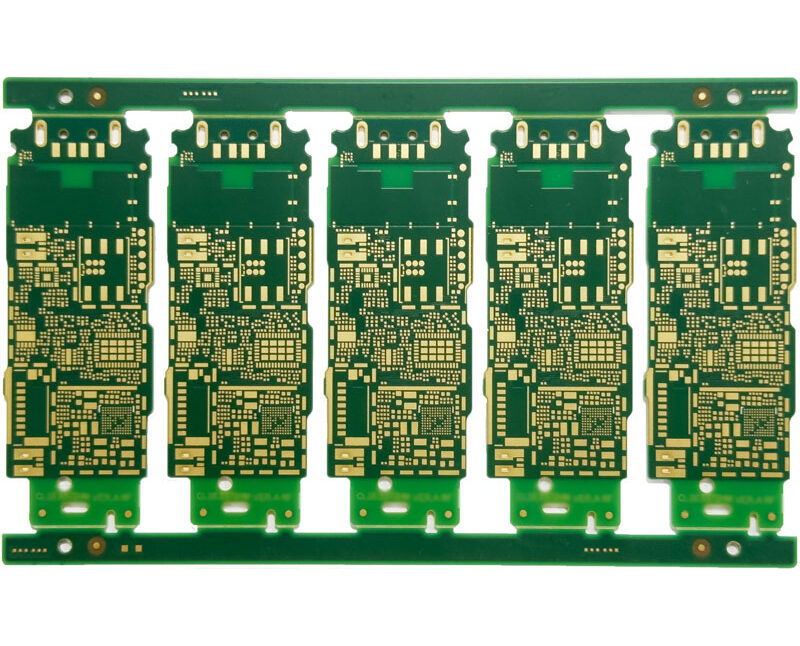
PCB Manufacturing: Rigid, Flexible, and HDI Types Board type decides almost every process decision before the first panel is cut. A rigid board, a flexible circuit and an HDI build share some steps, yet they diverge sharply in materials, tooling and inspection. Buyers who understand those differences can ask better…
Humanoid Robots Under 10,000 Yuan: What Budget Hardware Demands In September 2026, a regional humanoid robot innovation centre demonstrated thirty wheeled-arm robots operating cooperatively at an investment and trade exhibition. The platform uses a largely three-dimensionally printed lightweight body and a self-developed vision-language-action model, and the centre states that the…
PCB Selective Soldering Nozzle: One Joint at a Time A selective soldering nozzle delivers a small fountain of molten solder to one joint or one row. The rest of the board stays cool and untouched. This matters on boards that mix through-hole connectors with surface mount parts. Reflow cannot reach…
PCB Double Sided Reflow Sequence: Practical Process Controls Buyers and engineers often focus on the finished product and forget the production line behind it. In practice, most field failures can be traced back to process decisions made during assembly. Understanding PCB double sided reflow sequence gives you a practical advantage…
Stacked, Staggered and Via-in-Pad: Choosing HDI Via Structures Once a design enters build-up technology, the way microvias are arranged decides almost everything downstream: how much routing area remains, how many sequential laminations are required, how reliably the board survives thermal cycling and how much yield the factory can achieve. Three…
Why 3+N+3 HDI Costs More: The Structure Behind the Price The notation describes a build-up construction. The number before the plus sign is the count of laser-drilled build-up layers on one side, the middle value is the number of conventional core layers, and the number after the plus sign is…
PCB Profile for Heavy Boards: What Buyers and Engineers Should Check Modern electronics depend on boards that are assembled correctly the first time. Every product – a phone, a charger, a medical instrument or an industrial controller – relies on thousands of solder joints that must conduct current for years.…
Cheaper Cars, Harder Boards: Single-Chip Domain Controllers In August 2026 a domestic vehicle model entered the market carrying a cockpit and driving integration platform that places intelligent cabin functions and assisted driving tasks on a single system-on-chip in a native architecture. The processor uses a four nanometre process with a…