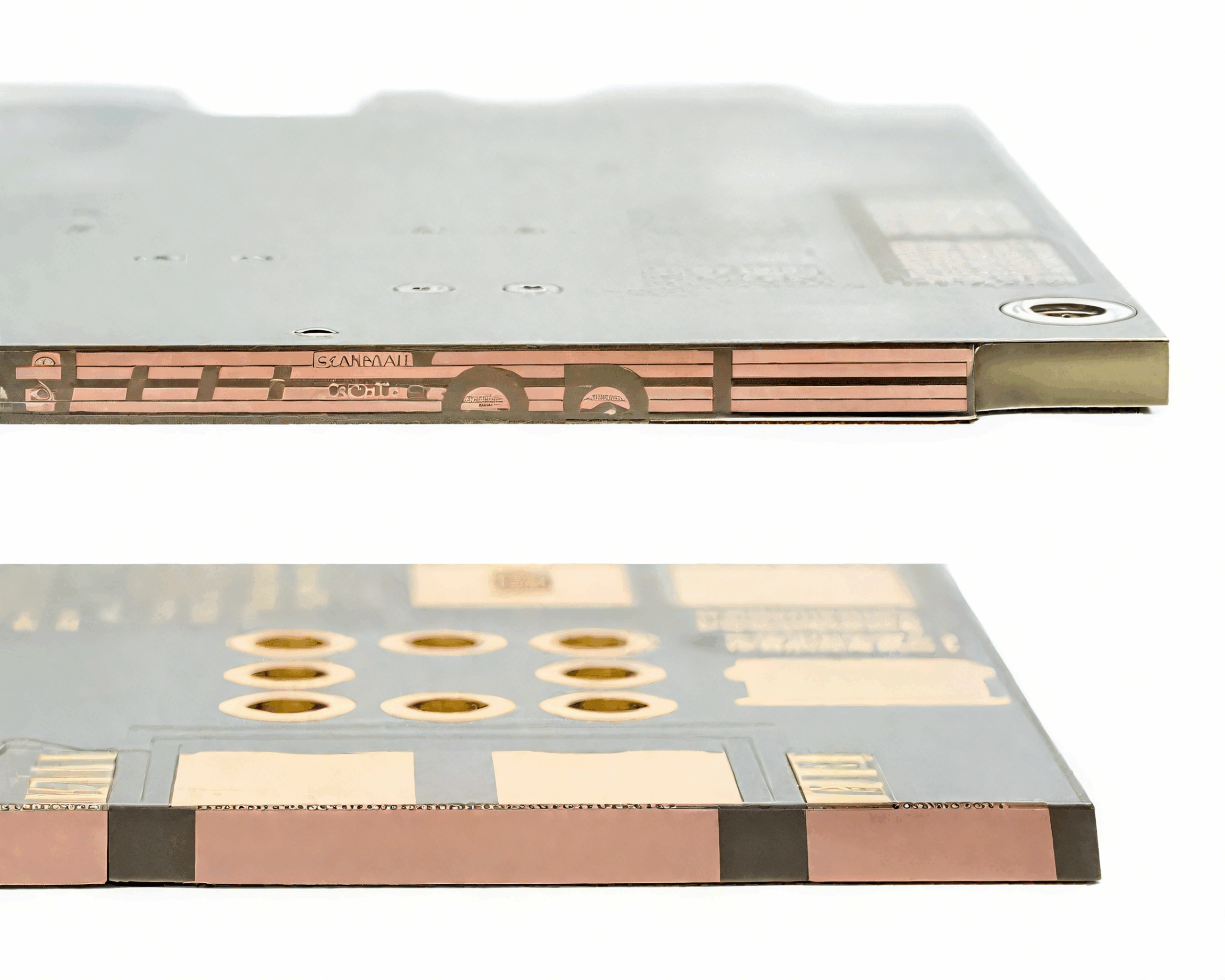
Drill Bit Point Angle and Web Thickness: What the Hole Sees The point of a printed circuit drill bit is a cutting tool with a geometry that is chosen for the laminate, the hole size and the machine. The point angle, the web thickness, the relief and the surface treatment…
Choosing Test Methods From IPC-TM-650 for PCB Quality Control Most of the numbers that appear on a printed circuit specification, from peel strength to moisture absorption, are produced by a named test method. The method fixes the coupon, the conditioning, the sample size and the way the result is calculated,…
Reading IPC-4761: Via Protection Types and What They Deliver Via protection is one of the few areas where a single number on a fabrication drawing commits the supplier to a specific process. The classification system in IPC-4761 describes seven ways of protecting a via, from a solder mask tent over…
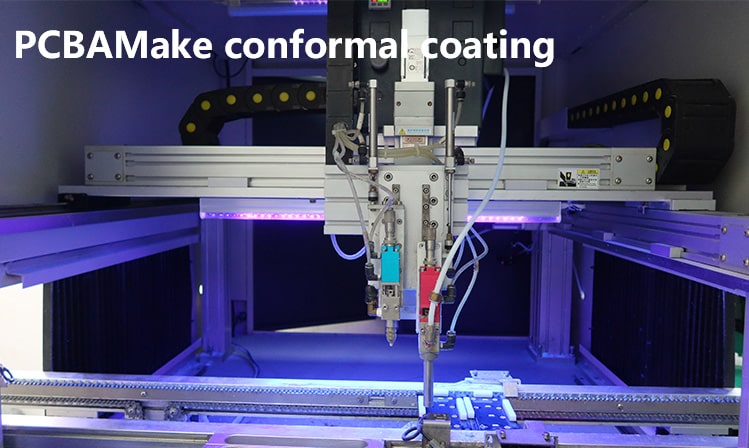
Glob Top Encapsulation: Dispensing and Cure Control A glob top is a dome of filled epoxy dispensed over a bare die or a delicate area of an assembly to protect it from moisture, contamination and mechanical damage. It is the cheapest encapsulation available for a chip on board product, and…
Ion Exchange Water Treatment: 5 Checks for Consistent DI Water Ion exchange water treatment is the quiet utility behind every rinse tank, developer bath and plating line in a PCB shop. When it works, nobody thinks about it. When it drifts, the symptoms appear as stains, residue and plating defects…
PCB Etch Factor Selection: A Practical Review for Manufacturing Teams Buyers and engineers often focus on the finished product and forget the production line behind it. In practice, most field failures can be traced back to process decisions made during assembly. Understanding PCB etch factor selection gives you a practical…
Static Dissipative Workstation: Design Rules and Process Limits A static dissipative workstation is the first line of defence for boards that contain sensitive components, and it is also the easiest thing in a factory to let slide. The damage is invisible at the time: a discharge that a person cannot…
pH Meter Calibration Control: 5 Steps for Trustworthy Readings pH meter calibration is a five minute task that decides whether hours of chemistry decisions rest on a real number or a fiction. Bath additions, developer control and waste neutralization all depend on pH readings, and a probe that has drifted…
Void Measurement by X-Ray: Grey Scale and Acceptance Criteria A void is a bubble of gas trapped inside a solder joint, and X-ray inspection is the standard way of finding and sizing it without destroying the board. The measurement looks simple: an image of the joint is thresholded, the dark…
Solder Pot Contamination: Design Rules and Process Limits A wave soldering pot is an open alloy bath that dissolves a little of everything it touches. Copper from the boards, iron from the pot walls and the pump, and the elements from plated finishes all accumulate in the alloy over time.…