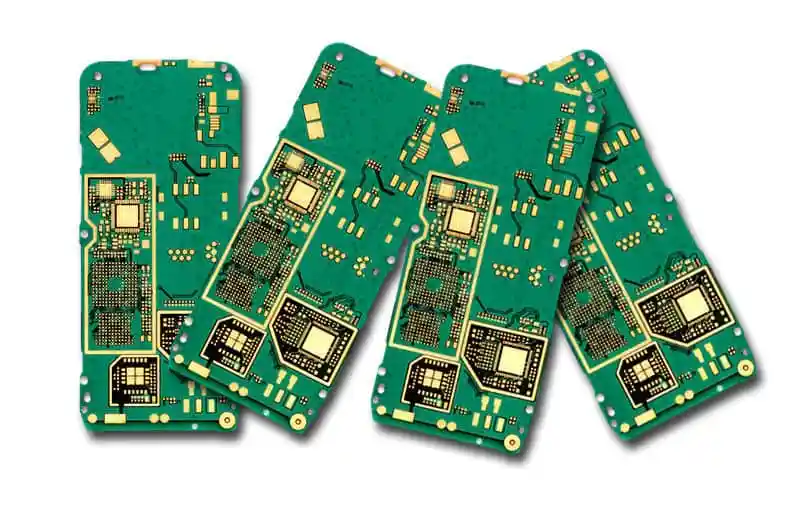
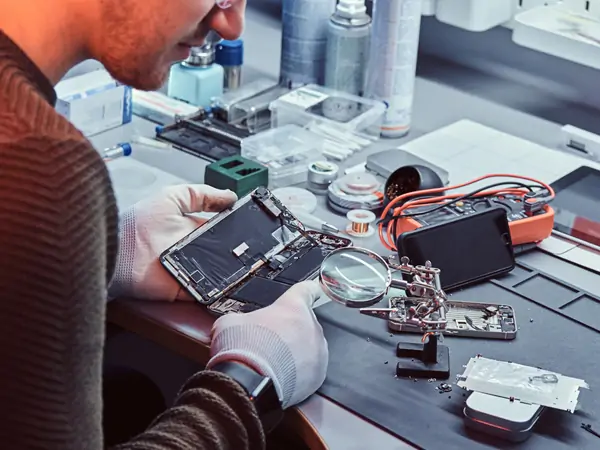
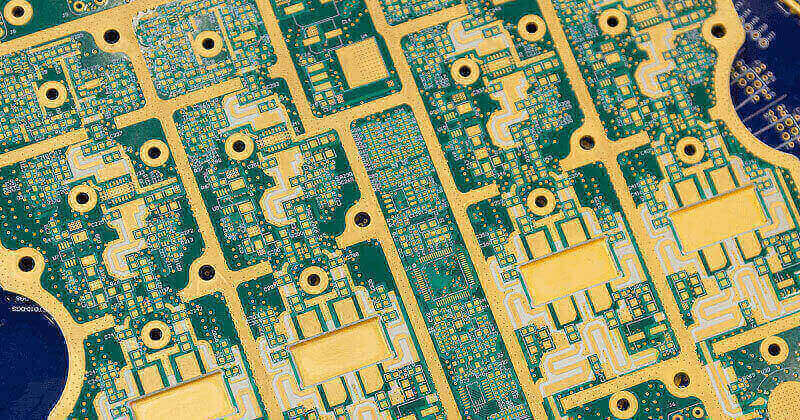
Dye Penetrant Testing for BGA Joint Cracks and Voids Dye penetrant testing is a destructive method in which a coloured fluid is drawn into every crack in a solder joint before the package is separated from the board. When the joint is opened, the stained area is the crack, and…
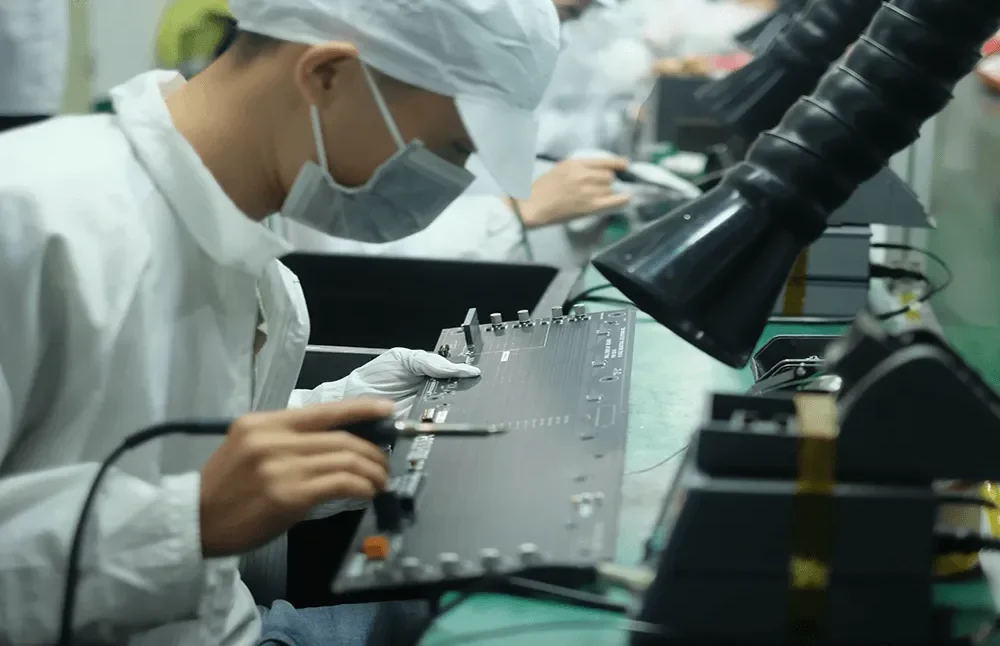
PCB Statement of Work Risks: Process Details and Inspection Points Modern electronics depend on boards that are assembled correctly the first time. Every product – a phone, a charger, a medical instrument or an industrial controller – relies on thousands of solder joints that must conduct current for years. This…
Hole Cleaning After Drilling: 4 Steps Before PTH Hole cleaning after drilling is the step that removes what the bit leaves behind, and it sits between the drilling machine and the PTH line. Dust, resin particles and copper slivers are pushed into the barrel as the drill cuts, and if…
Tin Plating Bath: 4 Checks for a Uniform Etch Resist A tin plating bath deposits the metal that protects the copper while the panel is etched, so the deposit acts as a resist rather than as a finish. Its quality decides whether the tracks leave the etcher with clean edges…
Spray Rinse Design: 4 Ways to Cut Drag-Out on a Plating Line A spray rinse sits between two process tanks and has one job: to remove the chemistry that the panel carries out of the first tank before it reaches the second. It is the cheapest control on a plating…
Rectifier Calibration: 4 Checks for True Plating Current Rectifier calibration is the check that connects the number on the control panel with the current actually flowing through the tank. Every thickness calculation on the line rests on that connection, and when it drifts the error is invisible until the copper…
PCB Statement of Work Review: A Second Look A statement of work for a PCB program is rarely read twice. Buyers sign it, engineers skim it, and the details that decide yield sit unexamined until a batch fails. A second look changes that. It means reading the document against the…
Plating Tank Filtration: 6 Rules for Clean Copper Baths Plating tank filtration is the continuous removal of particles, organic material and debris from a plating solution while the bath is in use. It sits quietly in the background of a PCB plating line, and when it stops working the symptoms…
PCB Statement of Work Plan: A Factory-Floor Review Buyers and engineers often focus on the finished product and forget the production line behind it. In practice, most field failures can be traced back to process decisions made during assembly. Understanding PCB statement of work plan gives you a practical advantage…
Trace Resistance: 6 Rules for Reliable Measurement Trace resistance measurement checks the resistance of a conductor, a plated hole or a solder joint by driving a known current through it and reading the voltage that appears across it. It is the electrical method behind continuity testing, coupon evaluation and joint…