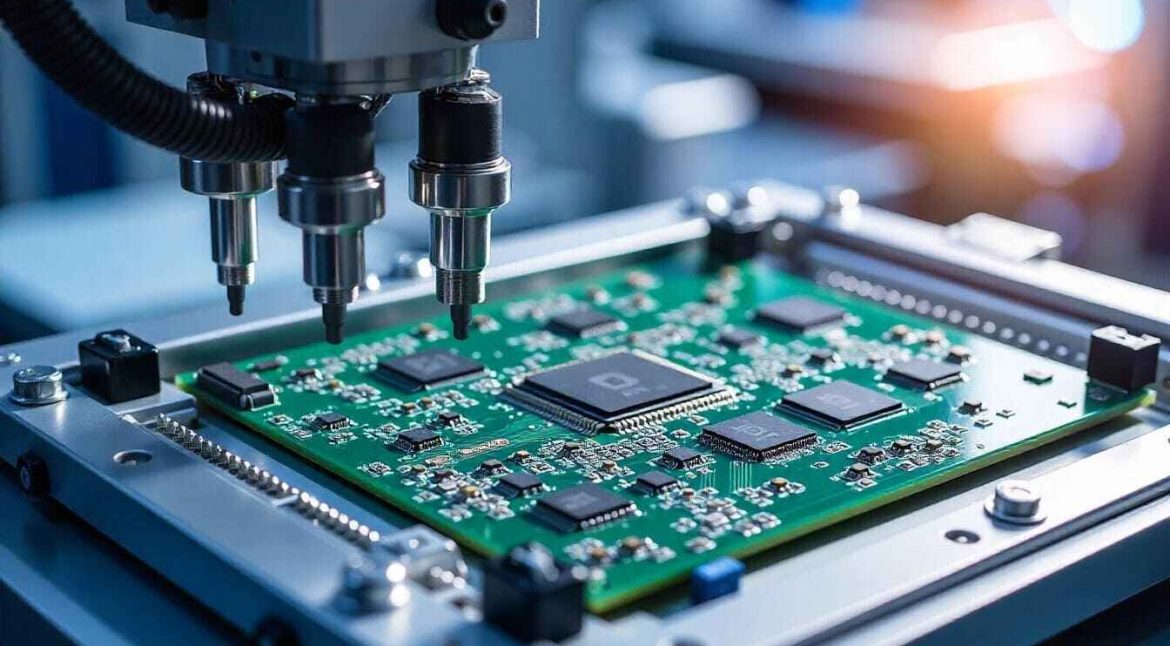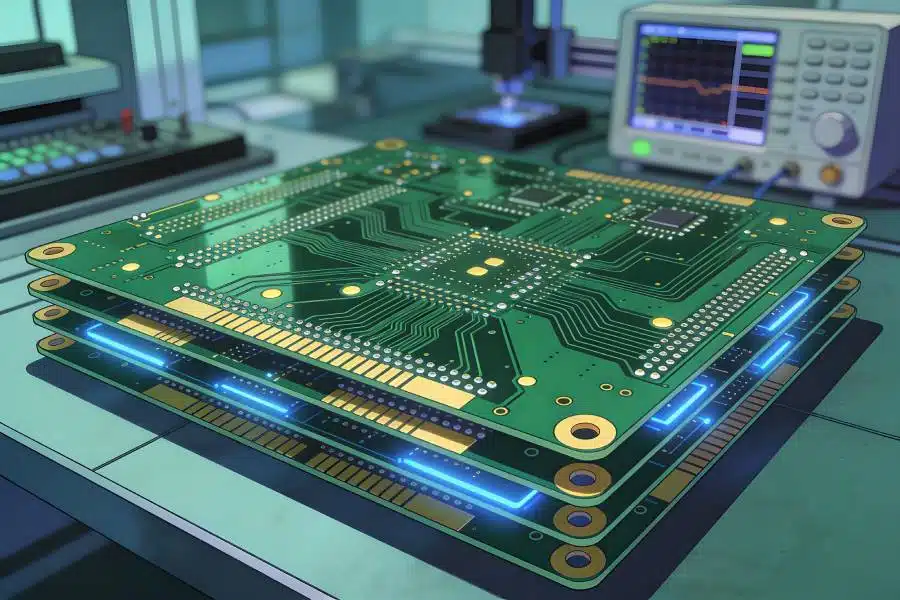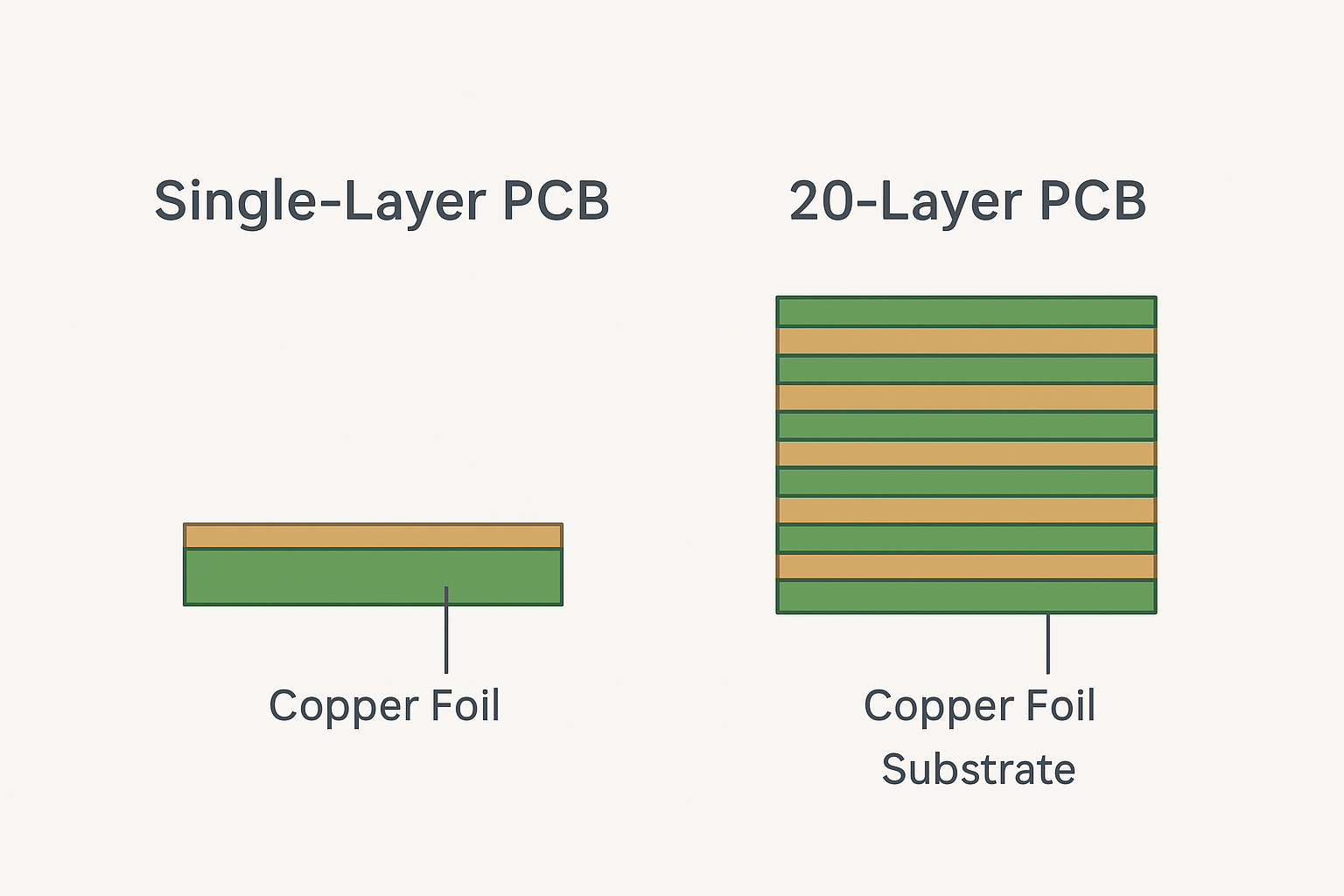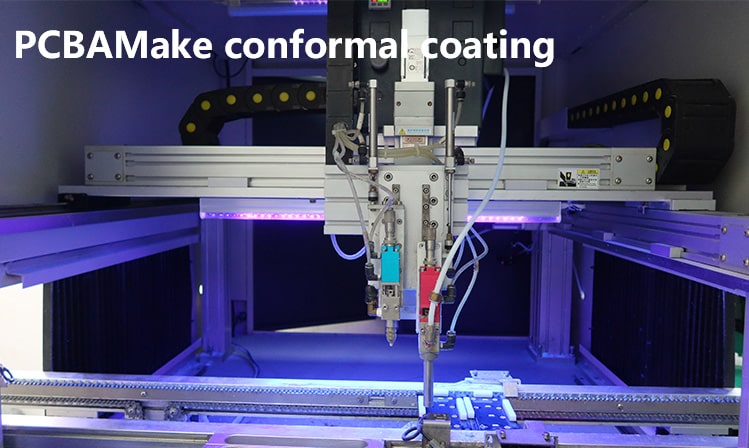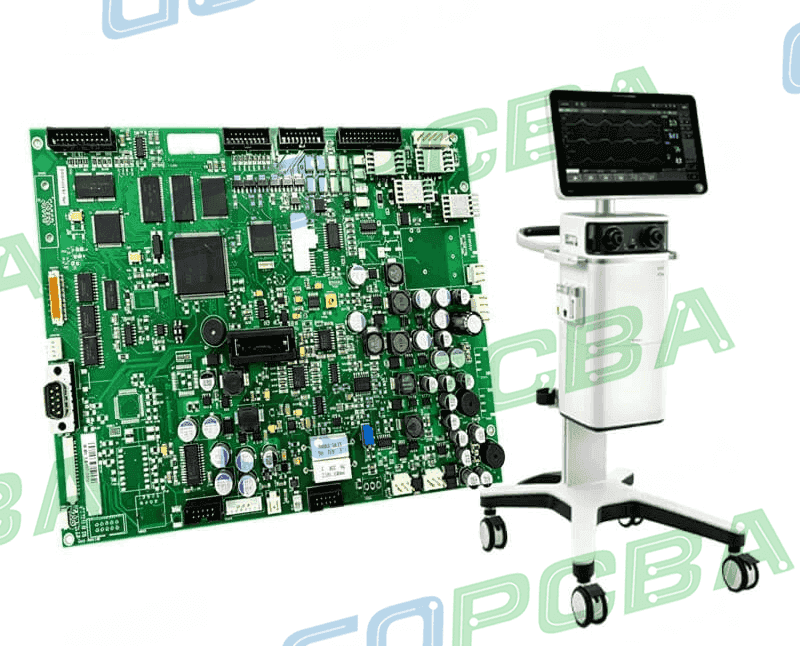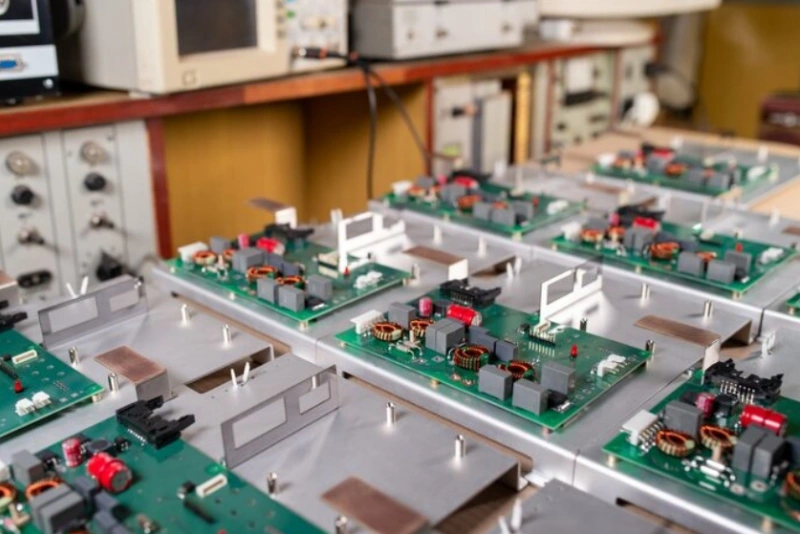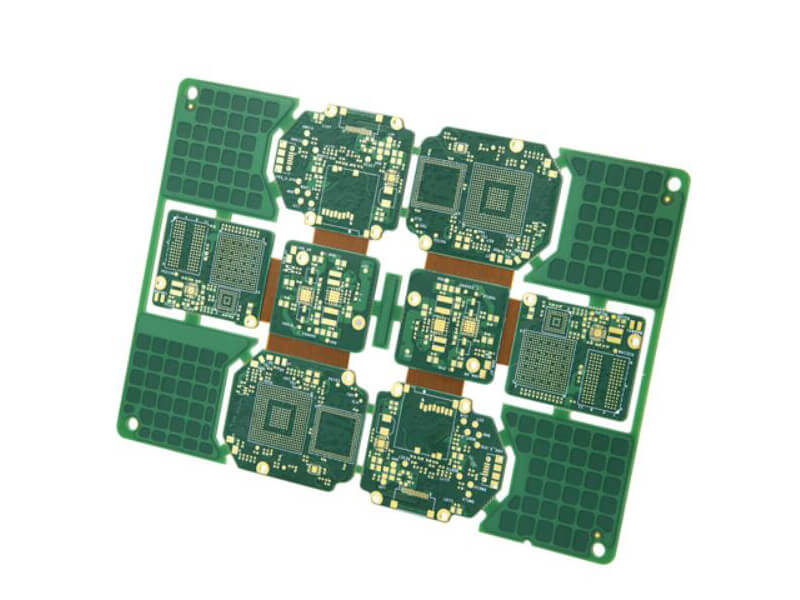
PCB 8D Report Environment: Design, Process, and Quality Notes Electronics manufacturing has become a discipline of small details. Solder paste volumes, placement accuracy, temperature profiles and inspection limits all add up to the final result. This guide looks at PCB 8D report environment from the perspective of a PCBA factory…
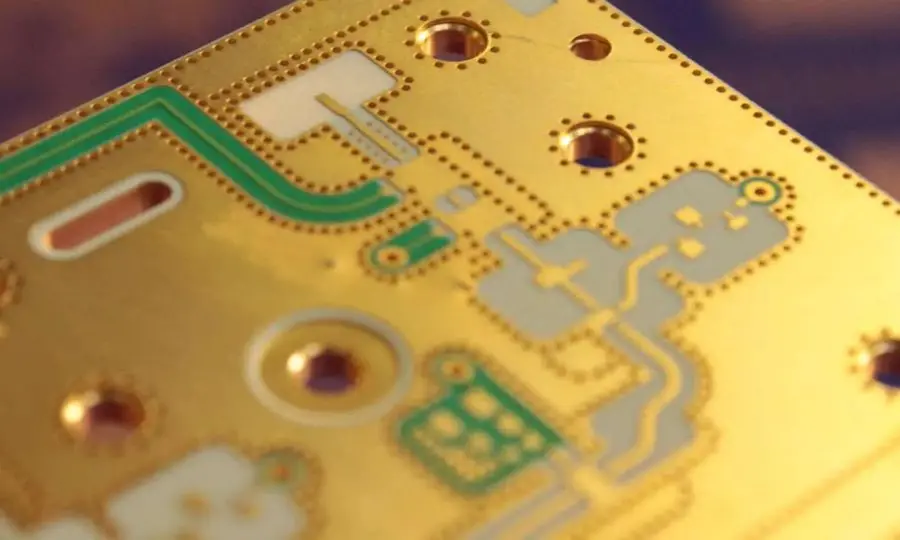
Estimating the cost of a printed circuit board project is an essential part of electronics product development. Engineers and purchasing teams need to balance electrical performance, manufacturing quality, production volume, delivery requirements, and budget constraints before moving a design into production. A PCB cost calculator provides a convenient way to…
Looking for a reliable Korea PCB manufacturer for prototypes, small-batch production, or high-volume manufacturing? Choosing the right PCB supplier requires more than comparing unit prices. Engineering capability, material availability, manufacturing quality, lead time, production capacity, quality control, and technical communication all have a direct impact on project success. South Korea…
Stencil Clamp Force: 5 Checks for a Stable Print Stencil clamp force is what holds the stencil frame down against the printer table while the squeegee pushes paste across it. If the clamp is loose, the stencil moves a fraction of a millimetre under load, the printed pattern shifts with…
Separation Speed: A 4-Rule Guide for Clean Paste Release Separation speed is the rate at which the board drops away from the stencil at the end of the print stroke. It looks like a secondary setting next to pressure and gap, and it is the one that decides whether the…
Snap-Off Settings: A 4-Point Guide for Stencil Printing Snap-off is the small clearance a stencil printer leaves between the underside of the stencil and the surface of the board during the print stroke. The stencil is pressed down locally by the squeegee and lifts back as the blade passes, so…
Print Gap Setting: A 5-Point Guide for Stencil Printers Print gap is the clearance between the stencil and the board surface when the squeegee is not pressing them together, and it decides how the stencil behaves at the start of the stroke, at separation and everywhere in between. On most…
Specific Gravity Control for Liquid Flux: 5 Checks Before the Wave Specific gravity is the oldest measurement in a wave soldering shop and still the one most often taken without a record. A liquid flux changes as solvent evaporates from the tank and as thinners are added, and the change…
HASL Finish Quality: 6 Checks on Hot Air Solder Leveling A HASL finish protects the copper and provides the solderable surface that assembly depends on, and it is judged by how it performs rather than by how it looks. Uneven coating, a thin edge or an intermetallic layer grown during…
Paste Release From Stencil Apertures: 5 Checks for Clean Deposits Paste release is the moment the deposit stops belonging to the stencil and starts belonging to the board, and it is where most fine pitch print defects are decided. Aperture walls, area ratio, coating condition and the speed at which…