Engineering Change Management in PCB Production An engineering change is a decision to make the product different, and change management is the work of making sure the difference reaches every place it needs to reach. In a board shop a change rarely stops at the drawing. It moves through the…
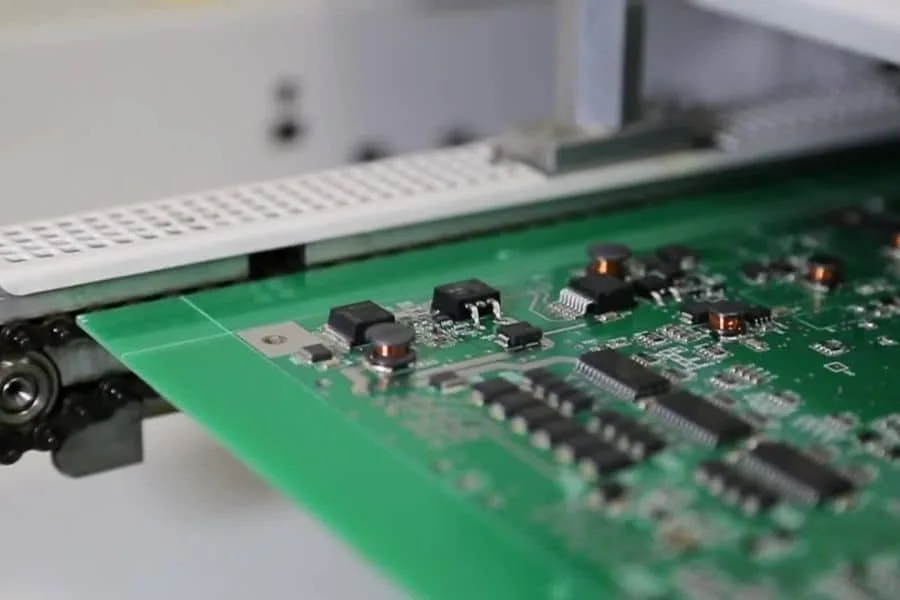
Mixed Model Production in PCB Manufacturing Mixed model production is the practice of running many different products through the same line in short succession, and a board shop is a natural example of it. Orders differ by layer count, material, finish, thickness and size, and they arrive in quantities that…
Tooling Pin Wear and Panel Location Accuracy on PCB Lines Tooling pins are the small features that decide where a panel sits. They locate the panel in the drill, in the exposure unit, in the press and in the assembly machine, and every layer that is stacked has to be…
Copper Trace Width Tolerance and Etching Control on PCBs Trace width is one of the first dimensions a designer specifies and one of the last to be measured properly. The number on the drawing is a target, and what arrives on the board depends on the imaging, the etching, the…
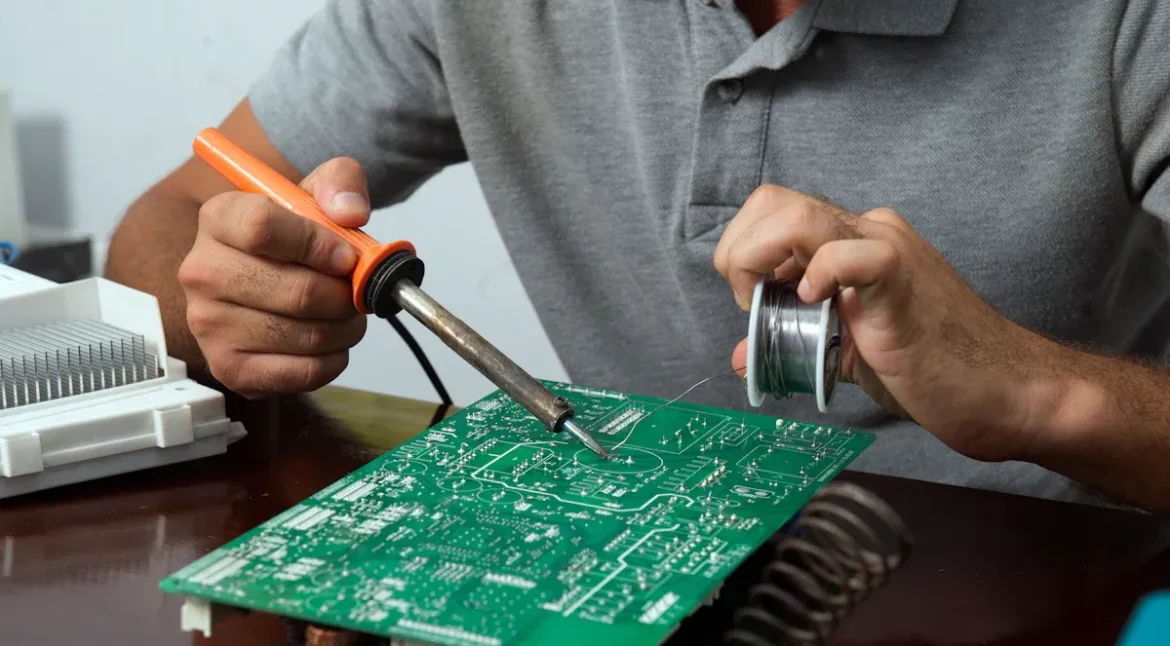
PCB Selective Solder Selection: Choosing What Fits Selective soldering fills the gap that reflow cannot reach. Through-hole connectors, power terminals and tall parts often need a second joining step after SMT reflow. The choice is not one machine but a set of decisions about nozzle size, flux chemistry, preheat and…
PCB Document Control Guide Document control is the discipline that makes sure the version of a document being used is the version that the shop intends. In a board shop that means the drawing, the stackup, the drill program, the work instruction, the setup sheet and the inspection criteria all…
PCB Gauge Calibration Guide Gauge calibration is the evidence that the instruments a shop uses to accept or reject product are themselves trustworthy. It is easy to treat as paperwork, and it becomes important the moment a customer asks how a thickness figure was obtained. A calibration system has three…
Copper Balance And Thieving On PCB Layers Copper balance is the degree to which the copper on a layer is distributed evenly across the panel. It affects two things that matter after the board is finished: the uniformity of the plating that is deposited in the holes, and the flatness…
PCB Selective Solder Problems: What Buyers and Engineers Should Check Modern electronics depend on boards that are assembled correctly the first time. Every product – a phone, a charger, a medical instrument or an industrial controller – relies on thousands of solder joints that must conduct current for years. This…
PCB Selective Solder Handover: A Practical Manufacturing Guide Buyers and engineers often focus on the finished product and forget the production line behind it. In practice, most field failures can be traced back to process decisions made during assembly. Understanding PCB selective solder handover gives you a practical advantage when…