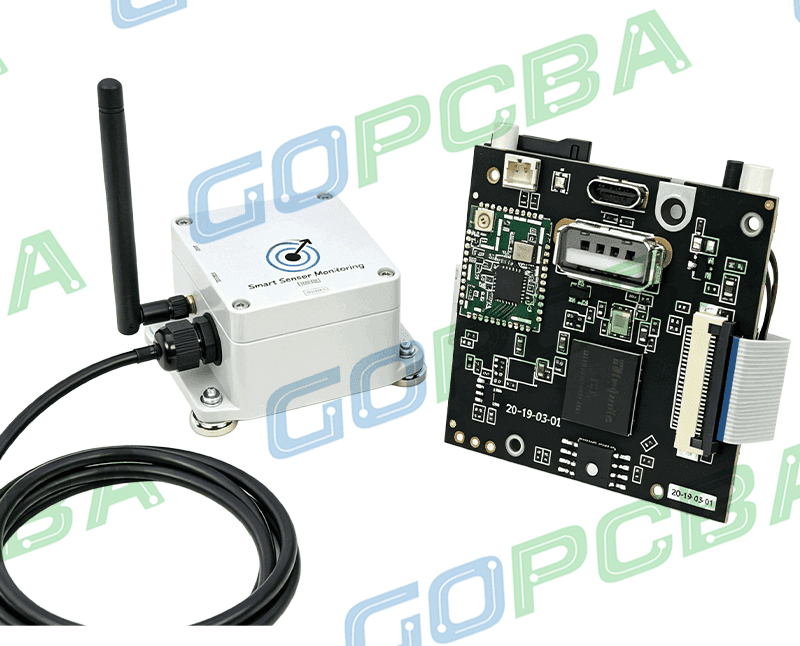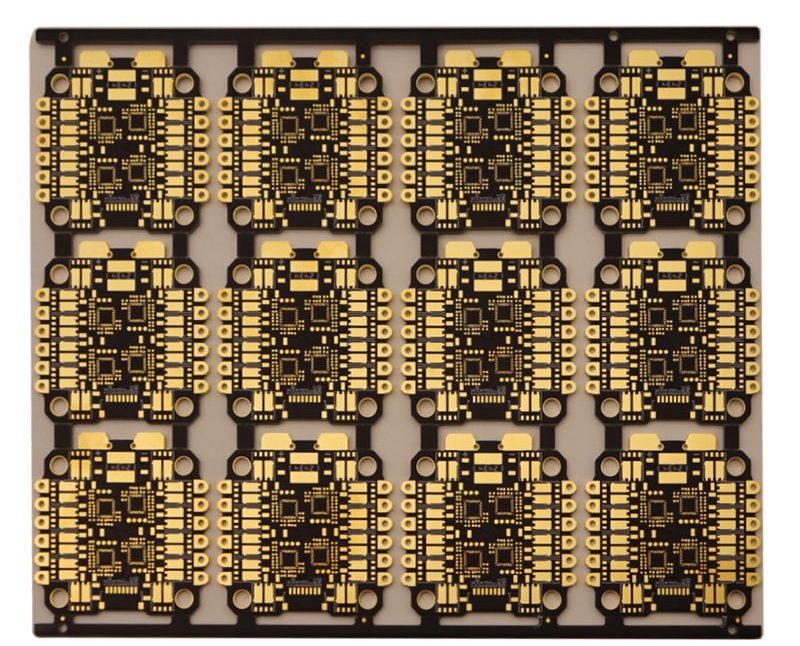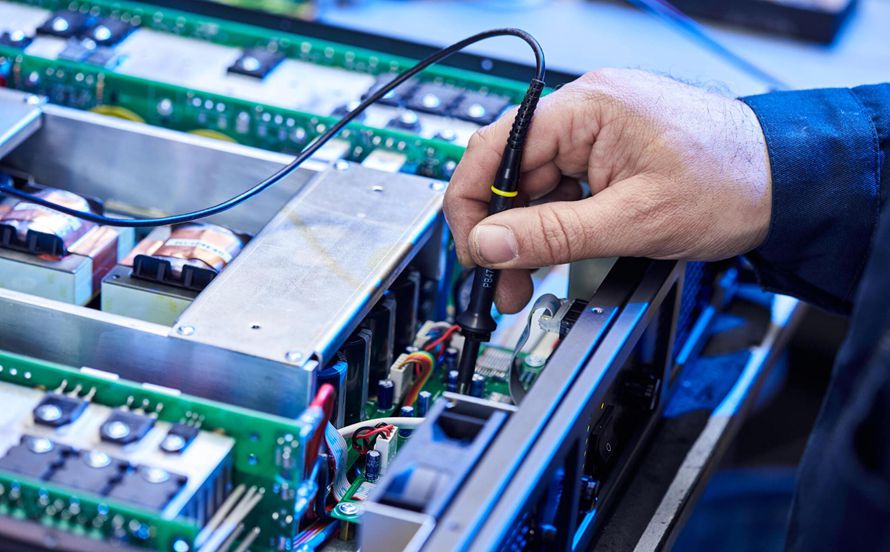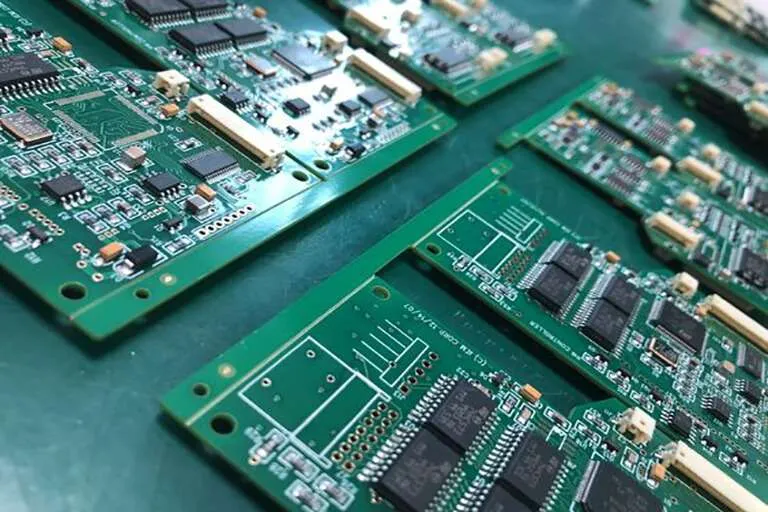
Underfill And Low Temperature Cure Adhesives A module that combines a sensor, a flex circuit and a mechanical frame has joints that a solder alloy alone cannot protect. The components are small, the substrates expand at different rates, and some of the parts are sensitive to heat. An adhesive performs…
Copper Pour: Islands, Minimum Width and Stitching A copper pour fills the empty area of a layer with copper connected to a net. It is usually added for thermal or shielding reasons, and a pour that is drawn without rules produces islands, slivers and thermal problems. What a Pour Is…
Antipad Design: Clearance, Ring and Plane Integrity Every via in a plane requires a clearance hole around it, called an antipad, which removes copper from the plane. The size of that hole determines whether the design works and whether the plane still does its job. What the Antipad Must Guarantee…
PCB Pressure Sensitive Adhesive: From Design to Repeatable Production Modern electronics depend on boards that are assembled correctly the first time. Every product – a phone, a charger, a medical instrument or an industrial controller – relies on thousands of solder joints that must conduct current for years. This article…
PCB Jet Printing Solder Paste: What Buyers and Engineers Should Check Electronics manufacturing has become a discipline of small details. Solder paste volumes, placement accuracy, temperature profiles and inspection limits all add up to the final result. This guide looks at PCB jet printing solder paste from the perspective of…
PCB Cavity in A Board: From Design to Repeatable Production Buyers and engineers often focus on the finished product and forget the production line behind it. In practice, most field failures can be traced back to process decisions made during assembly. Understanding PCB cavity in a board gives you a…
PCB Resin Plugging Vias: From Design to Repeatable Production Buyers and engineers often focus on the finished product and forget the production line behind it. In practice, most field failures can be traced back to process decisions made during assembly. Understanding PCB resin plugging vias gives you a practical advantage…
Schottky Diode Package Selection For Power Paths A Schottky diode is chosen for two properties that a ordinary silicon rectifier cannot match: a low forward voltage drop at moderate current, and a junction that stores almost no charge when it switches. Those properties come from the metal semiconductor junction itself,…
PCB EMC Design: Suppress, Divert, Protect Electromagnetic compatibility is usually treated as a test that happens at the end of a project. It is better understood as three problems that can be solved in the layout: a source that radiates, a path that couples, and a victim that is sensitive.…
Microcontroller Output Modes: Open Drain and Push Pull A microcontroller pin is not a switch. It is a driver with a defined output stage, and whether that stage can pull the line high, sink it low or only do one of the two decides how the net is wired, how…