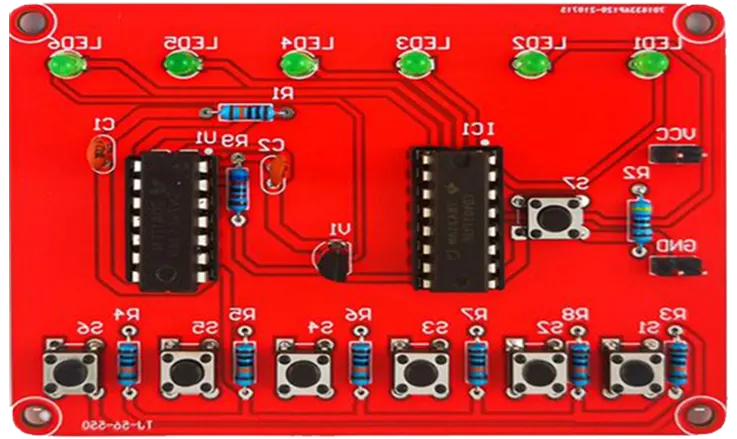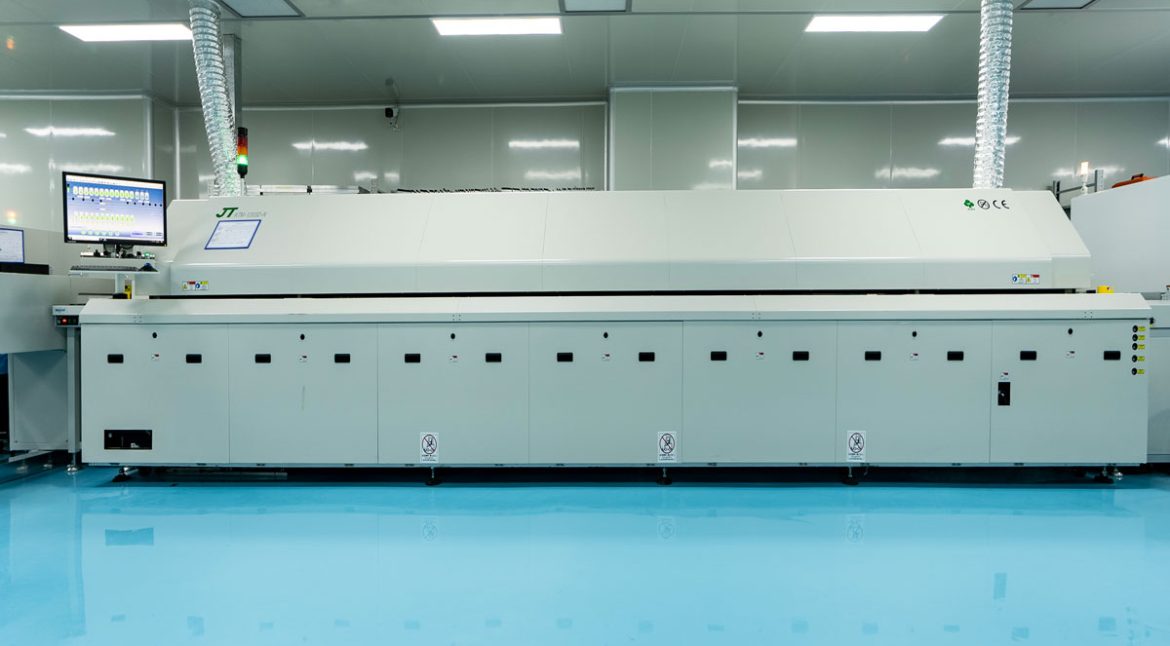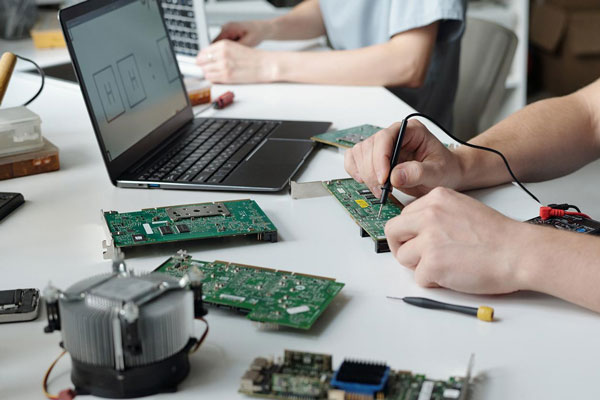
PCB Cost Breakdown Structure: A Practical Manufacturing Guide Modern electronics depend on boards that are assembled correctly the first time. Every product – a phone, a charger, a medical instrument or an industrial controller – relies on thousands of solder joints that must conduct current for years. This article explains…
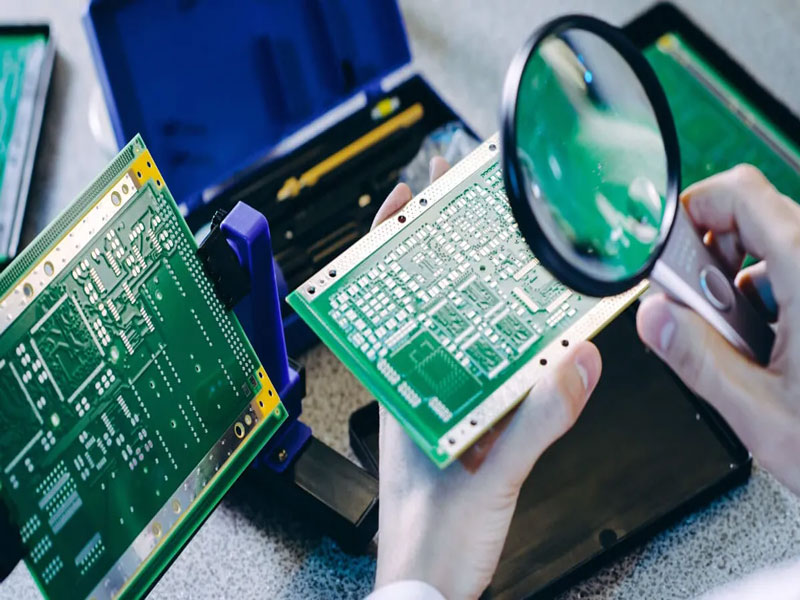
Resin Plugging and Via in Pad: Process and Risks When a ball grid array is dense enough that the escapes cannot fit between the pads, the via has to move into the pad. That decision fixes the routing but changes the fabrication process, because an open hole under a solder…
PCB Component Obsolescence: When a Part Disappears A part that has served a design for years can vanish from distribution with little warning. The manufacturer stops the line, the last reels sell out, and the board still needs to ship. Obsolescence is not a rare event; it is a normal…
Double Sided Aluminium Core Board Structure And Use An aluminium core board replaces the usual insulating laminate with a metal base, and a double sided version sandwiches that base between two copper layers. The arrangement solves a specific problem. Circuits that carry significant current generate heat that has to leave…
PCB Solder Mask Color: Meaning and Limits A green board, a blue board and a black board are the same board. The colour is the solder mask ink printed over the copper, and although the choice has real consequences for inspection and repair, it has almost none for the electrical…
PCB Test Point Coverage: Process Details and Inspection Points Electronics manufacturing has become a discipline of small details. Solder paste volumes, placement accuracy, temperature profiles and inspection limits all add up to the final result. This guide looks at PCB test point coverage from the perspective of a PCBA factory…
PCB ODB++ Versus Gerber: A Practical Review for Manufacturing Teams Modern electronics depend on boards that are assembled correctly the first time. Every product – a phone, a charger, a medical instrument or an industrial controller – relies on thousands of solder joints that must conduct current for years. This…
PCB Controlled Impedance Report: What Matters on the Production Line Modern electronics depend on boards that are assembled correctly the first time. Every product – a phone, a charger, a medical instrument or an industrial controller – relies on thousands of solder joints that must conduct current for years. This…
Trace Width and Current: Sizing for Temperature Rise A trace carrying current dissipates heat, and the heat leaves through the laminate and the air. The temperature rise that results is the quantity that sets the trace width, and it depends on the environment as much as on the current. What…
Printed Electronics: Conductive Inks on PCB Substrates Printed electronics builds circuits by depositing functional materials rather than by etching copper away. A conductive ink is laid down in the required pattern, cured, and the result conducts. The approach removes the etching, plating and lamination steps of conventional fabrication, which makes…