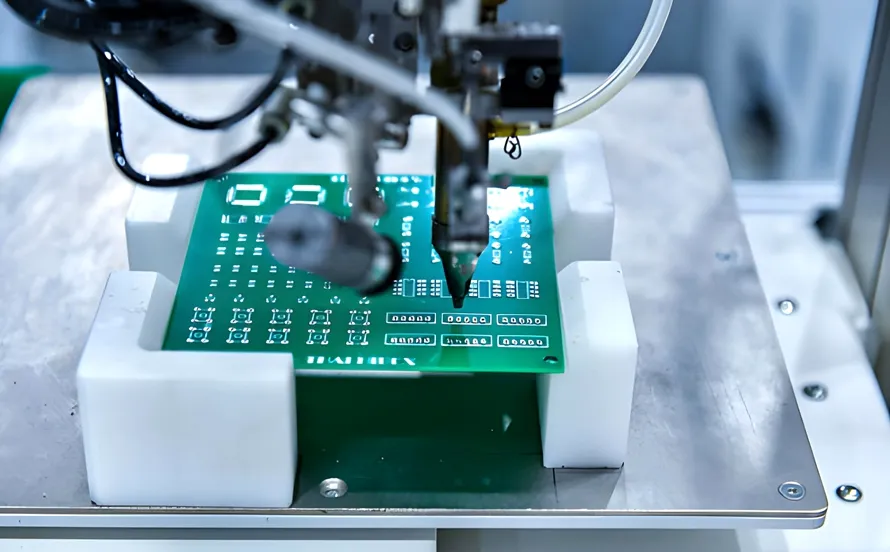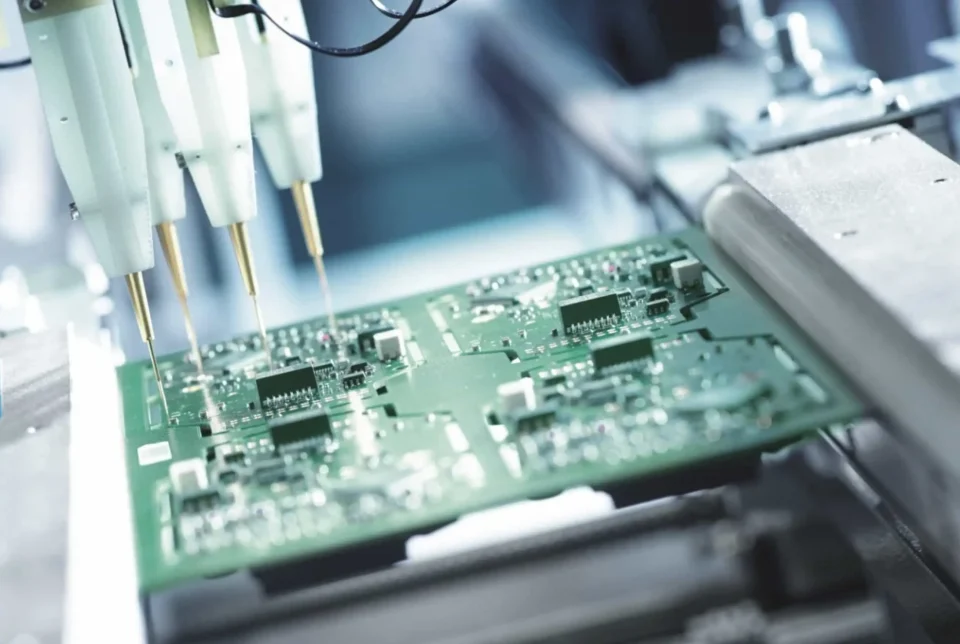
Solder Preforms: Filling Joints That Paste Cannot Some joints cannot receive enough solder from paste. The hole is too large, the board is too thick, the component cannot tolerate the reflow temperature, or the joint is being repaired rather than produced. A solder preform is the answer. What a Preform…
Barrel Cracks in Plated Holes: Causes and Detection A barrel crack is a fracture in the copper that lines a plated through hole, running around the barrel or along its length, and it is the most common way a plated hole fails. The crack may be present when the board…
Board Level EMI Filtering at Connectors and Cables Most emissions and most immunity failures enter or leave a product through its cables. Filtering at the connector is therefore the highest leverage place to act, and it is also the place where a poorly designed filter does nothing at all. Why…
Current Transformer Interface Design Guide A current transformer measures alternating current by producing a smaller current in proportion to the one flowing in a primary conductor. It provides isolation for free, needs no supply of its own and works from the very low currents of a standby load up to…
LED PCB Assembly Process Step by Step A lamp board is simple in principle and unforgiving in production. Polarity, solder volume, cleanliness and a controlled ageing step decide whether the finished assembly survives its first hundred hours, and each of those controls is easy to skip under schedule pressure. Polarity…
PCB Cross Section Polishing: Process Details and Inspection Points Electronics manufacturing has become a discipline of small details. Solder paste volumes, placement accuracy, temperature profiles and inspection limits all add up to the final result. This guide looks at PCB cross section polishing from the perspective of a PCBA factory…
PCB Hipot Test Setup: What Matters on the Production Line Buyers and engineers often focus on the finished product and forget the production line behind it. In practice, most field failures can be traced back to process decisions made during assembly. Understanding PCB hipot test setup gives you a practical…
PCB Impedance Coupon Testing: From Prototype to Volume Production Modern electronics depend on boards that are assembled correctly the first time. Every product – a phone, a charger, a medical instrument or an industrial controller – relies on thousands of solder joints that must conduct current for years. This article…
BGA Solder Joint Repair: Options and Limits A ball grid array hides its solder joints underneath the package, so a joint that is marginal at assembly can survive test and fail in the field. Repair is possible, but the decision to repair depends on what the failure actually is and…
PCB TDR Measurement: Key Process and Quality Checks Electronics manufacturing has become a discipline of small details. Solder paste volumes, placement accuracy, temperature profiles and inspection limits all add up to the final result. This guide looks at PCB TDR measurement from the perspective of a PCBA factory floor, covering…