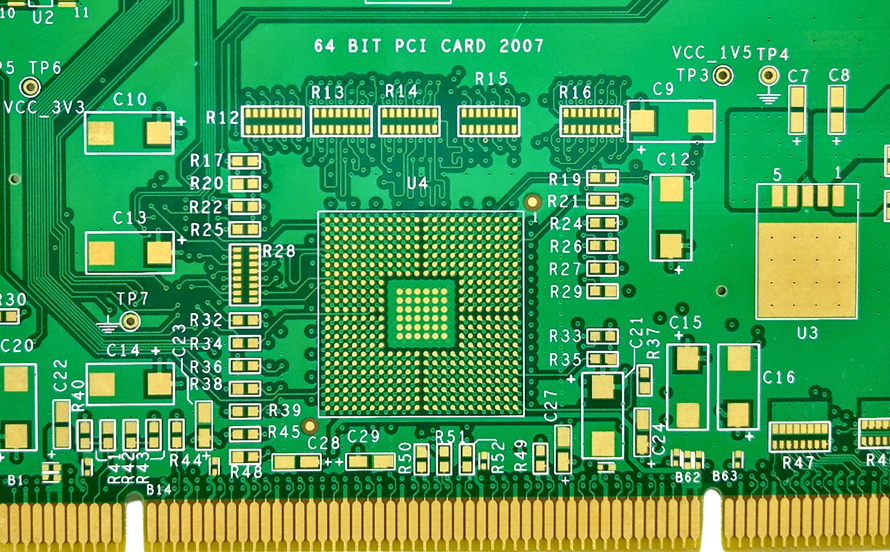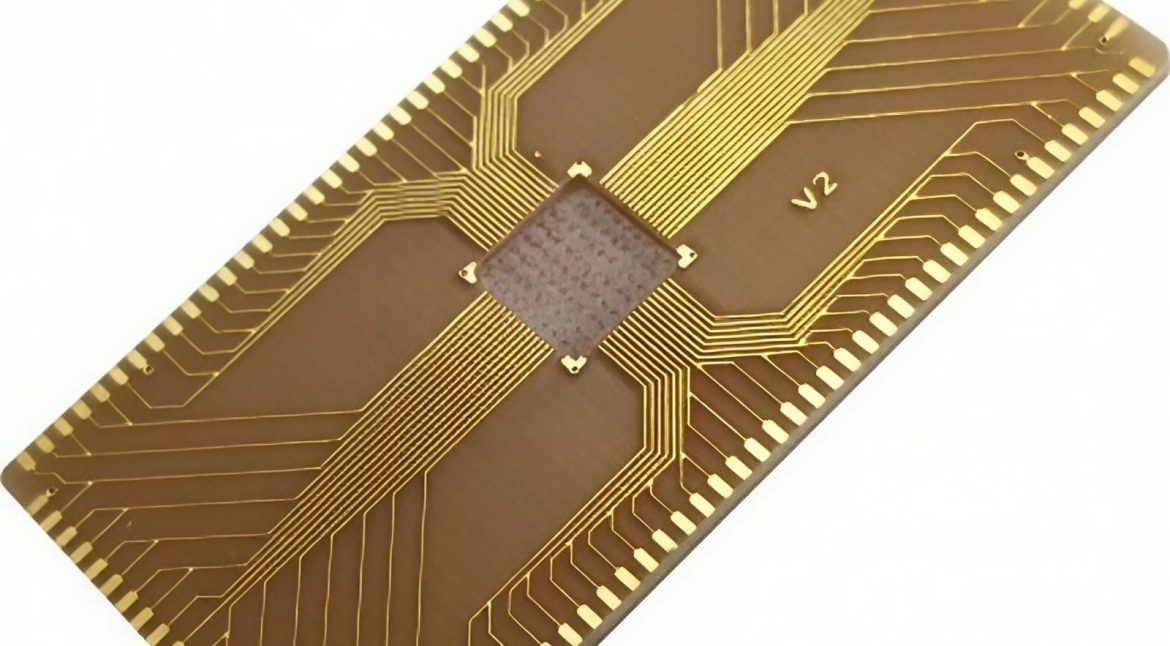
Black Pad in ENIG: Causes and Solder Joint Failure Black pad is the name given to a dark, brittle layer that forms on the nickel surface of an electroless nickel immersion gold finish, and it produces solder joints that look acceptable and fail without warning. The gold itself is not…

PCB Hot Air Leveling Control: Design, Process, and Quality Notes Buyers and engineers often focus on the finished product and forget the production line behind it. In practice, most field failures can be traced back to process decisions made during assembly. Understanding PCB hot air leveling control gives you a…
PCB Paste Release From A Stencil: A Practical Manufacturing Guide Electronics manufacturing has become a discipline of small details. Solder paste volumes, placement accuracy, temperature profiles and inspection limits all add up to the final result. This guide looks at PCB paste release from a stencil from the perspective of…
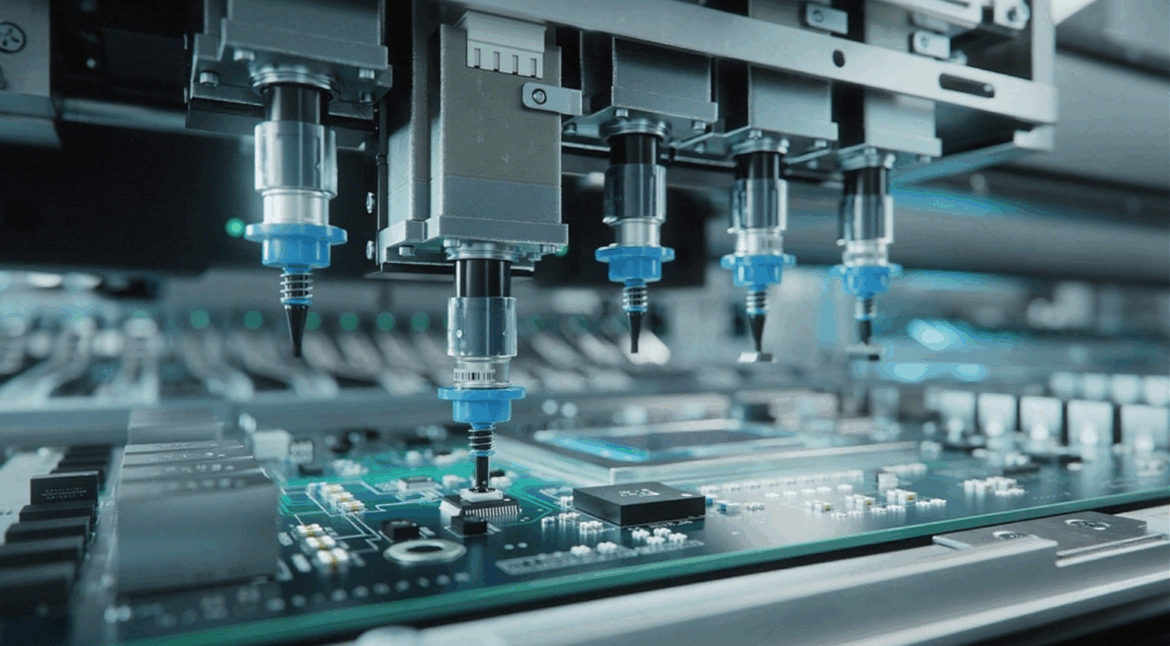
PCB Nozzle Selection for A Part: Picking the Tip Nozzle choice looks trivial until a part starts dropping, rotating or flying off the head. The tip is the last link between the machine and the component, so its size, shape and condition decide whether placement stays repeatable. This guide treats…
Reducing SI/PI Design Iterations On A Wearable Board A wearable device compresses a radio, a processor and a memory interface into a volume smaller than a matchbox, and the memory bus is usually the part that causes the trouble. The interface runs fast, the supply is shared with everything else,…
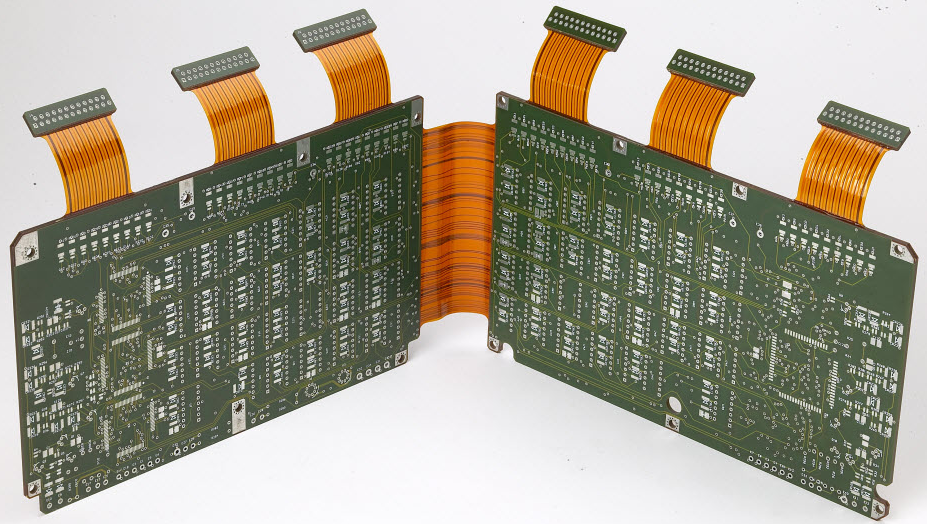
Hot Bar Soldering: Thermode Process Control for FPC Hot bar soldering joins a flex circuit to a rigid board with a heated metal bar pressed onto a row of pads. The process is fast, it can be reworked, and it produces joints that withstand flexing better than a hand soldered…
Pin in Paste Reflow for Through-Hole Parts A through-hole connector can be soldered in the same reflow pass as the surface mount parts if the paste is printed into the hole as well as onto the pad. The technique removes a process step and it depends entirely on getting enough…
Edge Plating and Castellated Holes for Module Edges A small module that must be soldered to a mother board along its edge uses half holes rather than pins. The castellations are drilled and plated as part of the board, then cut in half when the module is separated from its…
PCB Final Rinse Water Quality: What Matters on the Production Line Modern electronics depend on boards that are assembled correctly the first time. Every product – a phone, a charger, a medical instrument or an industrial controller – relies on thousands of solder joints that must conduct current for years.…
PCB Stencil Aperture Ratio: A Practical Review for Manufacturing Teams Electronics manufacturing has become a discipline of small details. Solder paste volumes, placement accuracy, temperature profiles and inspection limits all add up to the final result. This guide looks at PCB stencil aperture ratio from the perspective of a PCBA…