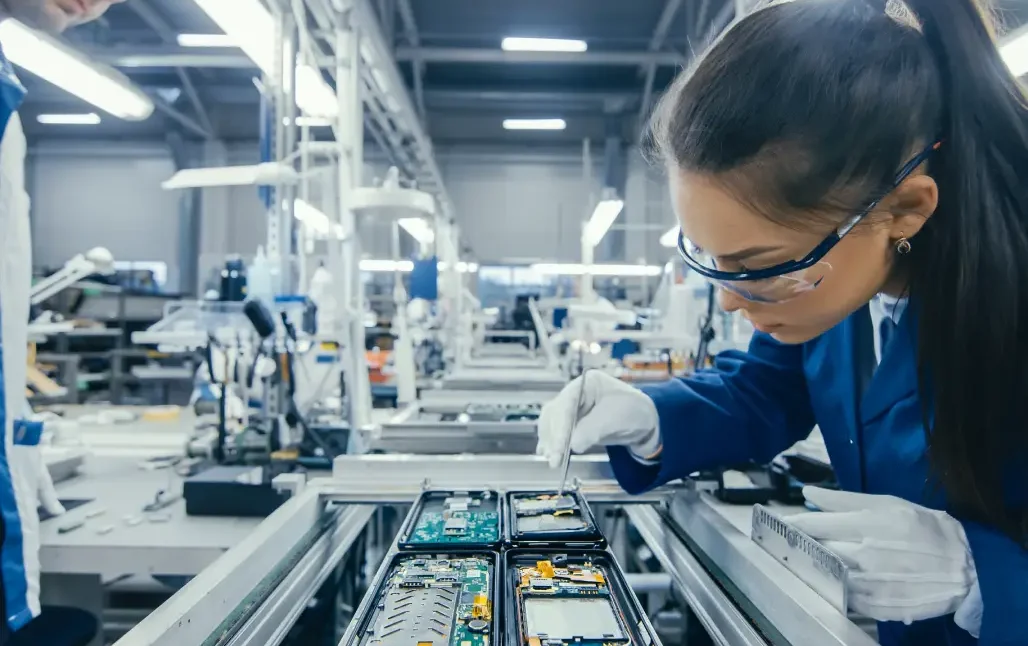
PCB Broken Track Repair: Joining a Cut Conductor A cut conductor stops a board from working, but it rarely ends the board’s life. Repair is a controlled process with real limits, and those limits decide whether the fix holds. Engineers and buyers should understand how a track is exposed, joined…
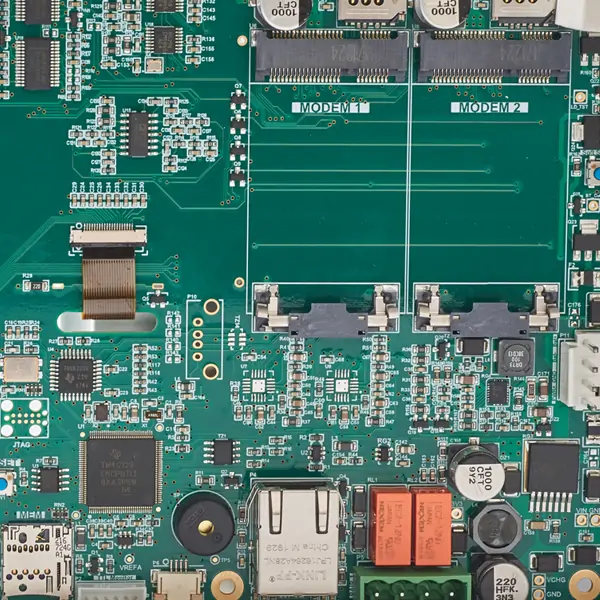
PCB Lifted Pad Repair: What Matters on the Production Line Modern electronics depend on boards that are assembled correctly the first time. Every product – a phone, a charger, a medical instrument or an industrial controller – relies on thousands of solder joints that must conduct current for years. This…
PCB Eyelet Repair: What Matters on the Production Line Modern electronics depend on boards that are assembled correctly the first time. Every product – a phone, a charger, a medical instrument or an industrial controller – relies on thousands of solder joints that must conduct current for years. This article…
Via in Pad and Resin Plugging: Process and Design A via belongs between pads, not inside them. That is the normal rule, and it is the reason a ball grid array with a dense ball pitch can be impossible to escape: there simply is no room left between the pads…
ESD Protection at Board and Enclosure Level Static discharge is a fast, high-current event that lasts nanoseconds and arrives through paths the designer did not draw. It enters through a connector, a keypad, a seam in the enclosure or a metal part, and it leaves through whatever connection to earth…
10-Layer PCB Standard Thickness: What to Specify Ten layers is the point at which a board stops being an ordinary multilayer and starts needing a considered stackup. It offers enough layers for several signal groups, more than one power plane and the reference planes those signals need, and it is…
PCB Conformal Coating After Rework: Coating the Repaired Area Electronics manufacturing has become a discipline of small details. Solder paste volumes, placement accuracy, temperature profiles and inspection limits all add up to the final result. This guide looks at PCB conformal coating after rework from the perspective of a PCBA…
PCB Rework Record Keeping: Practical Process Controls Buyers and engineers often focus on the finished product and forget the production line behind it. In practice, most field failures can be traced back to process decisions made during assembly. Understanding PCB rework record keeping gives you a practical advantage when you…
Grid Control PCB: Isolation, Surge and Reliability Design Equipment connected to an electricity network has to survive conditions that would destroy ordinary industrial electronics. Lightning induced surges, switching transients, voltage sags and faults that drive current far beyond the design value all arrive at the terminals, and the product is…
PCB Silkscreen: Design Rules and Ink Selection The silkscreen is the last process step on most boards and the one that receives the least design attention, which is why it is also a frequent source of manufacturing complaints. Ink printed over a pad ruins solderability, text that is too small…