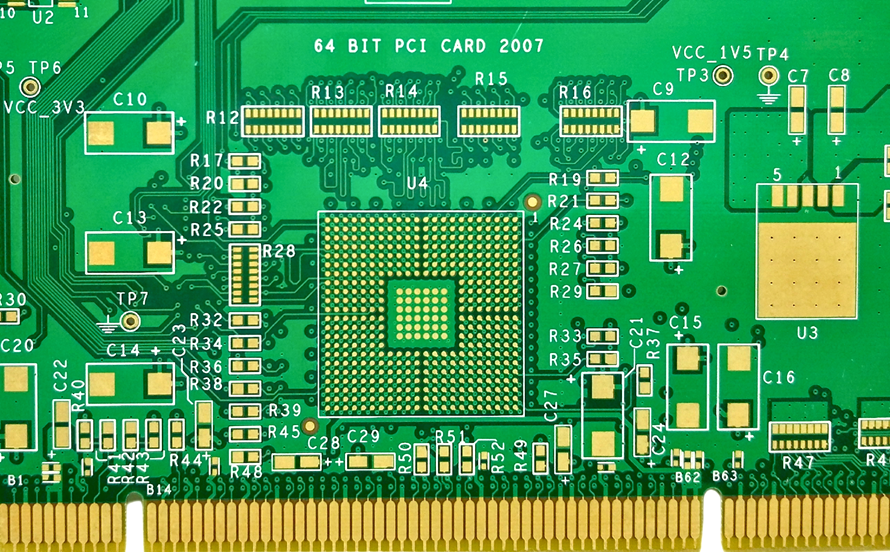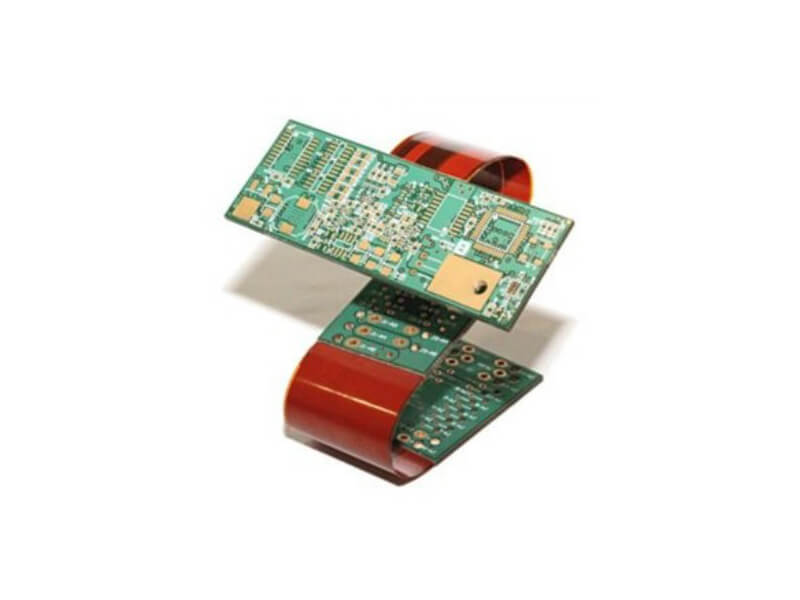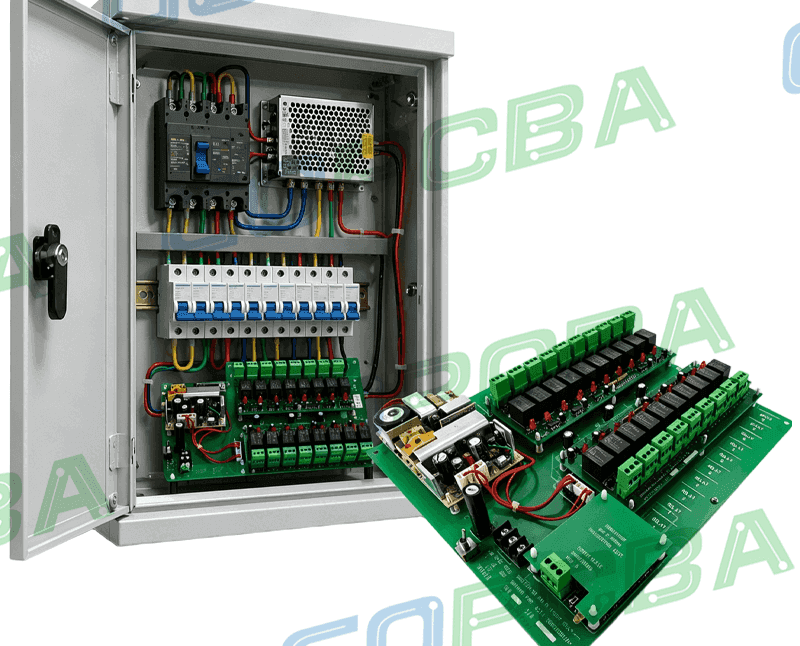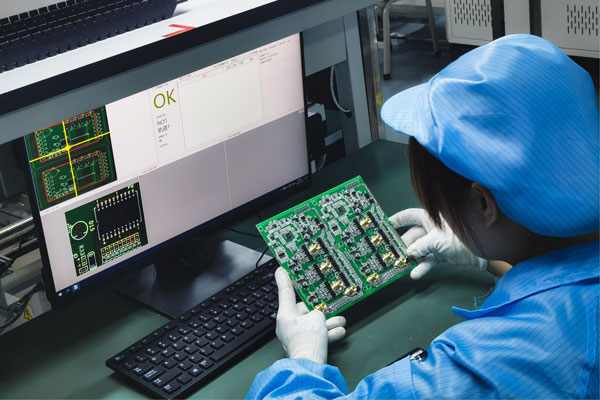
PCB Design Requirements Across Medical, Automotive and Industrial Electronics The same designer can produce a board for a blood pressure monitor and a board for a solar inverter, but not by applying the same rules. PCB design requirements shift with the industry, because each domain is governed by a different…

PCB Laminate Tg and Td Selection: Process Details and Inspection Points Buyers and engineers often focus on the finished product and forget the production line behind it. In practice, most field failures can be traced back to process decisions made during assembly. Understanding PCB laminate Tg and Td selection gives…
PCB In-process Inspection Points: A Practical Review for Manufacturing Teams Modern electronics depend on boards that are assembled correctly the first time. Every product – a phone, a charger, a medical instrument or an industrial controller – relies on thousands of solder joints that must conduct current for years. This…
Consumer Electronics Solution Development for Smart Devices Developing a consumer electronics product is not the same exercise as developing an industrial one, even when the electronics are comparable. A consumer product is measured against a cost target that has been set by the market rather than by the bill of…
PCB Quality System: Certification, Inspection and Traceability PCB fabrication is a long process. Between the cutting of the panel and the dispatch of the finished board there are dozens of operations, and a problem in any one of them can follow the board all the way to the customer. That…
PCB Reflow Carrier Design: What Matters on the Production Line Electronics manufacturing has become a discipline of small details. Solder paste volumes, placement accuracy, temperature profiles and inspection limits all add up to the final result. This guide looks at PCB reflow carrier design from the perspective of a PCBA…
PCB Component Height Clearance: From Prototype to Volume Production Electronics manufacturing has become a discipline of small details. Solder paste volumes, placement accuracy, temperature profiles and inspection limits all add up to the final result. This guide looks at PCB component height clearance from the perspective of a PCBA factory…
Placing 01005 Components: Package Range and Process Control Consumer products keep getting smaller, and the packages on the board keep shrinking with them. The journey from 0805 and 0603 through 0402 to 0201 is familiar, and 01005 is now a routine choice in wearable and compact products rather than an…
PCB Solder Resist Dam Design: Keeping the Pads Separate Modern electronics depend on boards that are assembled correctly the first time. Every product – a phone, a charger, a medical instrument or an industrial controller – relies on thousands of solder joints that must conduct current for years. This article…
Solution Development Across Medical, Automotive and Industrial Products Experience in a domain is not a marketing claim; it changes what the first draft of a schematic looks like. A medical product, an automotive module, an industrial controller and a battery powered sensor share the same basic building blocks, and yet…