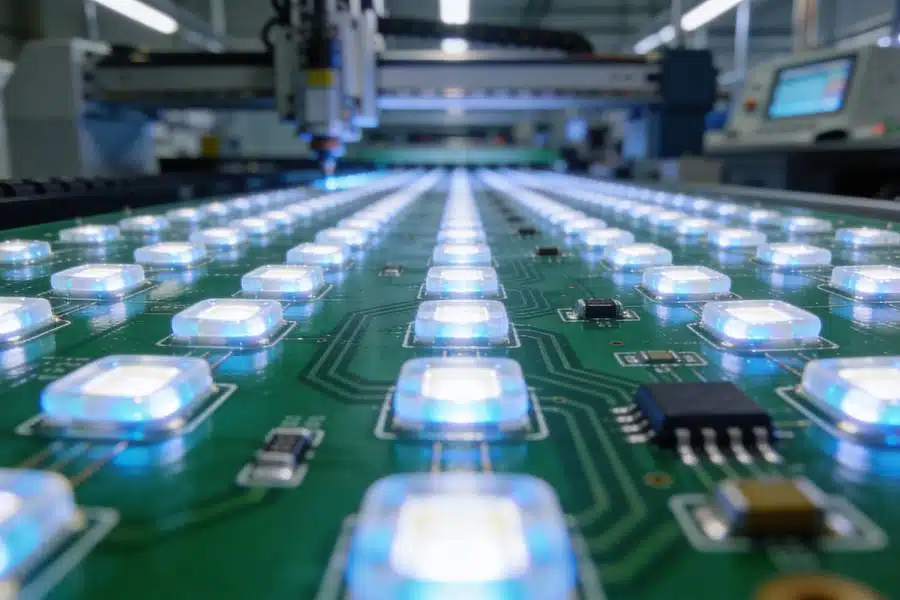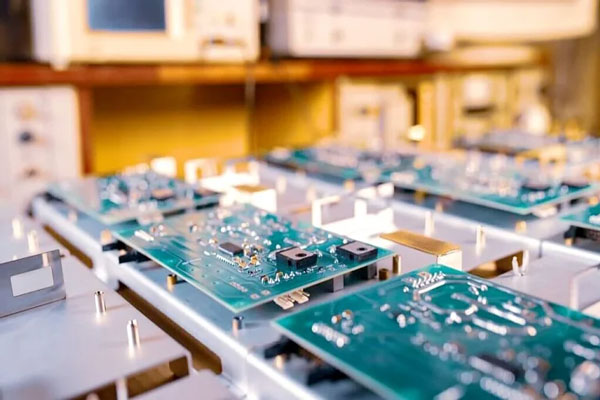
PCB Backlight Driver Layout: Key Process and Quality Checks Buyers and engineers often focus on the finished product and forget the production line behind it. In practice, most field failures can be traced back to process decisions made during assembly. Understanding PCB backlight driver layout gives you a practical advantage…
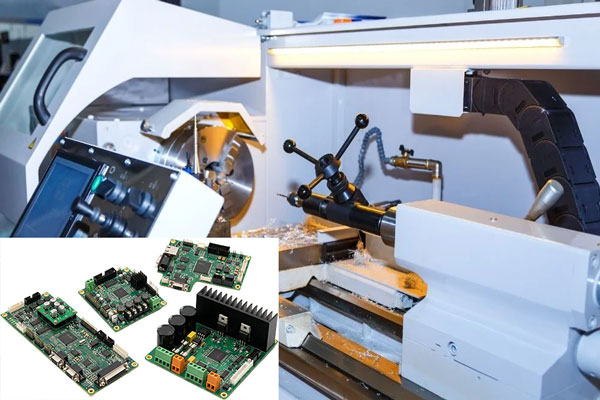
PCB LED Lifetime Derating: Key Process and Quality Checks Electronics manufacturing has become a discipline of small details. Solder paste volumes, placement accuracy, temperature profiles and inspection limits all add up to the final result. This guide looks at PCB LED lifetime derating from the perspective of a PCBA factory…
PCB LED Brightness Matching: Making Every Lamp Look the Same Electronics manufacturing has become a discipline of small details. Solder paste volumes, placement accuracy, temperature profiles and inspection limits all add up to the final result. This guide looks at PCB LED brightness matching from the perspective of a PCBA…
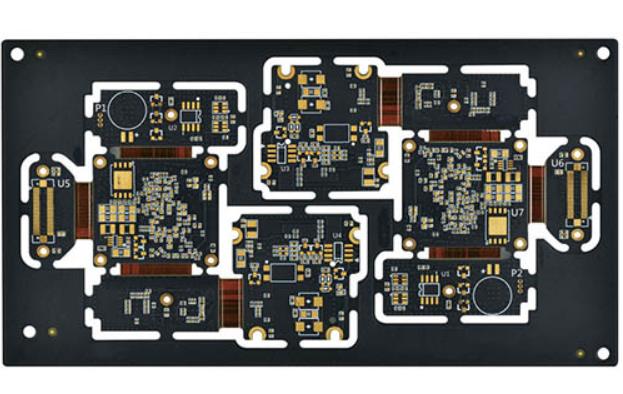
Multi-Layer FPC Reliability Testing: Standards and Methods As flexible circuits move from six layers to eight, ten and twelve, multi-layer FPC reliability testing stops being a final inspection step and becomes a design input. Thinner dielectric layers, denser microvias and larger differences in expansion between base film and coverlay all…
PCB LED Current Setting: Practical Process Controls Electronics manufacturing has become a discipline of small details. Solder paste volumes, placement accuracy, temperature profiles and inspection limits all add up to the final result. This guide looks at PCB LED current setting from the perspective of a PCBA factory floor, covering…
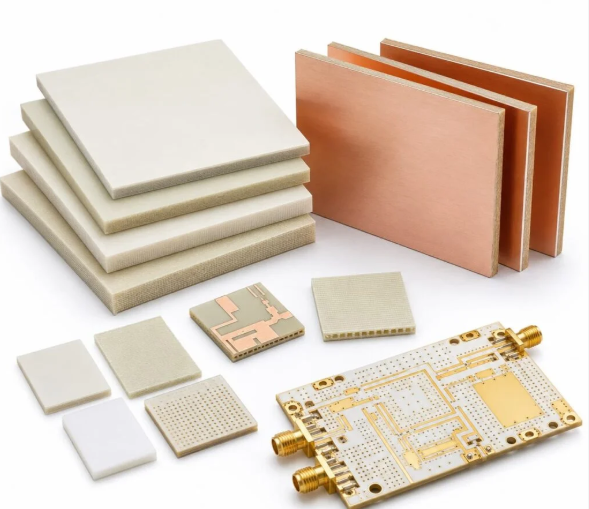
Ultra-Thin FPC Materials: Base Films and Coverlays Guide An ultra-thin FPC is defined less by its total thickness than by the balance of electrical, mechanical and thermal properties its materials can deliver at that thickness. As wearable devices, foldable phones, medical implants and compact industrial sensors shrink, flexible circuits have…
PCB Motor Driver Thermal Design: From Design to Repeatable Production Modern electronics depend on boards that are assembled correctly the first time. Every product – a phone, a charger, a medical instrument or an industrial controller – relies on thousands of solder joints that must conduct current for years. This…
PCB Solid State Relay Switching: From Design to Repeatable Production Electronics manufacturing has become a discipline of small details. Solder paste volumes, placement accuracy, temperature profiles and inspection limits all add up to the final result. This guide looks at PCB solid state relay switching from the perspective of a…
PCB Contactor and High Power Switching: What Buyers and Engineers Should Check Electronics manufacturing has become a discipline of small details. Solder paste volumes, placement accuracy, temperature profiles and inspection limits all add up to the final result. This guide looks at PCB contactor and high power switching from the…
High Layer Count PCB Lamination and Drilling: Manufacturing Guide A high layer count PCB is no longer a niche product. Boards with 16 to 40 layers now sit at the center of AI server racks, automotive domain controllers, telecom base stations and high-end industrial equipment. As layer counts rise, lamination…