Pad Detachment in Volume PCB Production: Causes and Fixes After the reflow oven on an SMT line, a board comes out and components fall off. The pads are torn away with them, exposing the gray-white resin of the substrate. The entire board is scrapped. The prototype worked fine, but once…
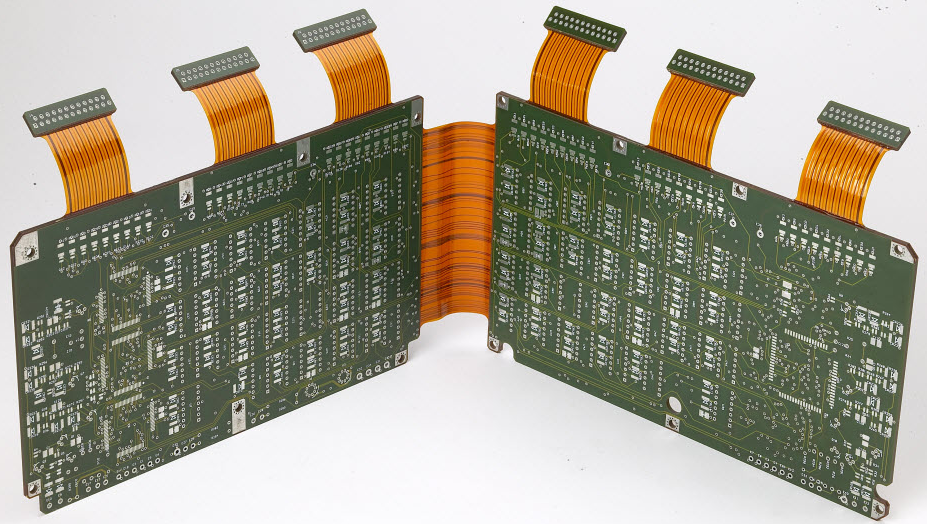
Double-Sided Rigid-Flex PCB: Design and Build What the Double-Sided Construction Adds A rigid flex board combines rigid sections that carry the components with flexible sections that fold, replacing connectors and cables with copper on polyimide. In a single-sided rigid flex construction the flexible part carries one conductor layer, which limits…
PCB Cross Section Sample Preparation: Practical Process Controls Buyers and engineers often focus on the finished product and forget the production line behind it. In practice, most field failures can be traced back to process decisions made during assembly. Understanding PCB cross section sample preparation gives you a practical advantage…
PCB Manufacturing Specification: What to Include Why a Gerber Set Is Not a Specification A Gerber package describes the shape of each layer. It does not say how thick the board is, what the laminate is, how much copper is on each layer, what finish the pads carry, how tight…
PCB Hand Soldering Iron Tip Care: Making the Tip Last Modern electronics depend on boards that are assembled correctly the first time. Every product – a phone, a charger, a medical instrument or an industrial controller – relies on thousands of solder joints that must conduct current for years. This…
Safe PCB Temperature: How Hot Is Too Hot? The Question Behind the Question When an engineer asks what a safe board temperature is, the useful answers are three different numbers. There is the temperature the board may reach without damaging itself, the temperature at which the components on it still…
Stacked Microvias: Design Rules and Reliability What a Microvia Is A microvia is a very small plated hole, conventionally defined as no more than 0.15 millimetres in diameter, that connects two adjacent layers of a board. It is produced by laser drilling rather than by mechanical drilling, because a mechanical…
PCB Wave Solder Pallet Design: A Frame That Carries the Board Modern electronics depend on boards that are assembled correctly the first time. Every product – a phone, a charger, a medical instrument or an industrial controller – relies on thousands of solder joints that must conduct current for years.…
Radio PCB: Designing for RF and Wireless Links What a Radio Board Has to Do A radio board takes a signal from a digital interface, converts it to a radio frequency, amplifies it and delivers it to an antenna, and it does the reverse on the way in. Every stage…
PCB Heatsink Attachment Torque: How Tight the Screws Should Be Buyers and engineers often focus on the finished product and forget the production line behind it. In practice, most field failures can be traced back to process decisions made during assembly. Understanding PCB heatsink attachment torque gives you a practical…