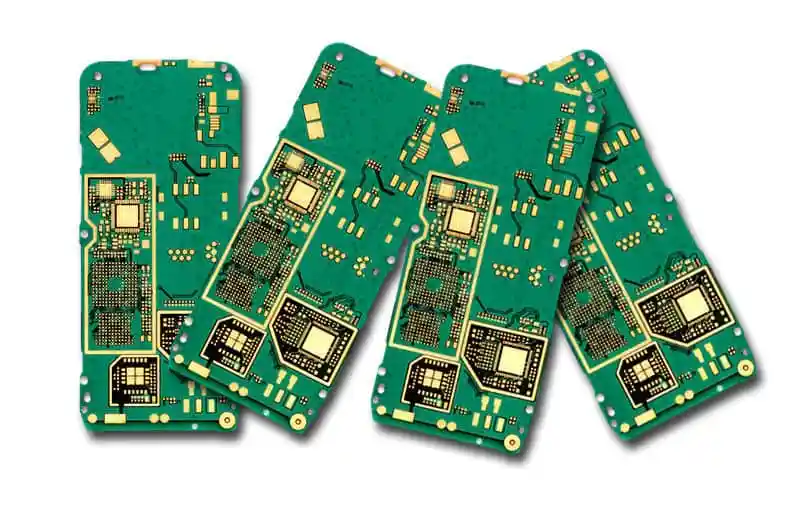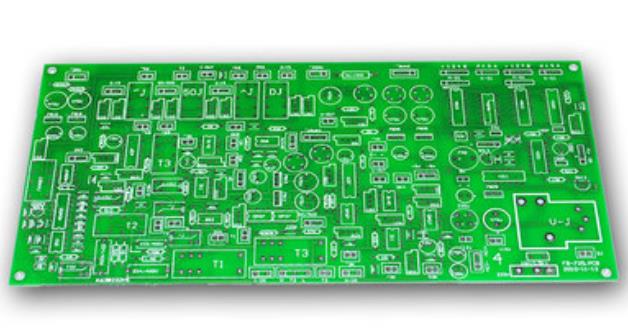
Camera Module PCB: Design and Manufacturing The Board Inside a Camera Module A camera module is a stack of precision parts: the lens, the holder, the actuator that moves the lens for focus or stabilisation, the image sensor, the filter and the printed circuit board that carries the sensor and…
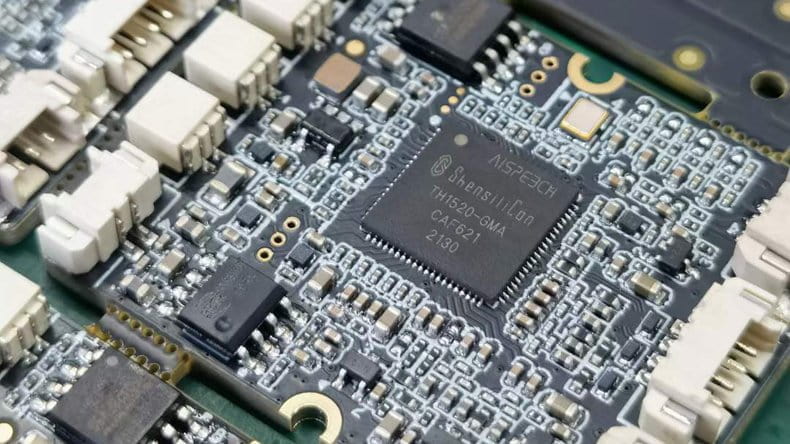
PCB Corner Bond for Large Packages: Process Details and Inspection Points Buyers and engineers often focus on the finished product and forget the production line behind it. In practice, most field failures can be traced back to process decisions made during assembly. Understanding PCB corner bond for large packages gives…
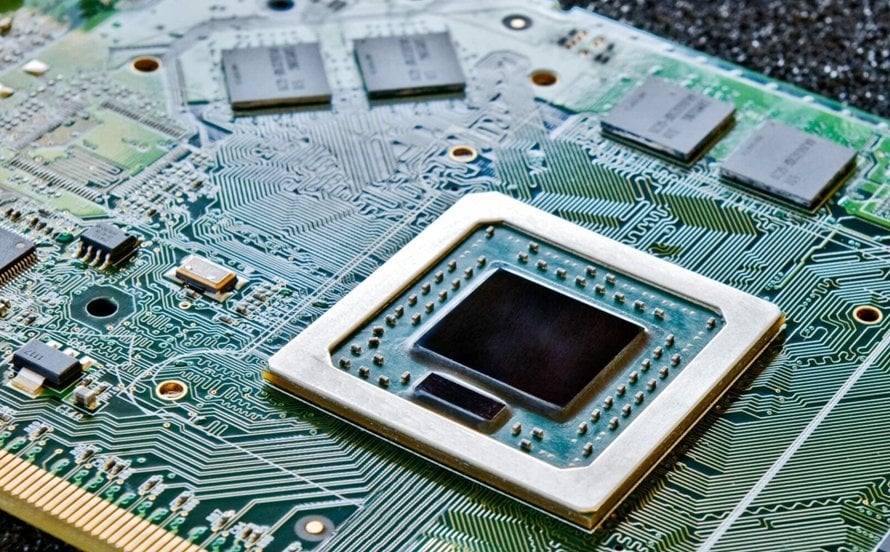
AI Circuit Board: What Accelerator Hardware Needs What Changes When the Board Carries an Accelerator An artificial intelligence accelerator is a large die that draws a lot of power and moves a lot of data. Neither of those facts is new to board design, but the scale is. A training…
Ultra Thick Copper PCB: Design and Manufacturing Where Ordinary Heavy Copper Stops Copper weight is quoted in ounces per square foot, where one ounce corresponds to about 35 micrometres. Ordinary boards use one or two ounces, heavy copper power boards use four, and the class described as ultra thick starts…
PCB Creepage and Clearance Spacing: Distance Rules for High Voltage Buyers and engineers often focus on the finished product and forget the production line behind it. In practice, most field failures can be traced back to process decisions made during assembly. Understanding PCB creepage and clearance spacing gives you a…
PCB Guard Ring for Leakage Current: What Matters on the Production Line Electronics manufacturing has become a discipline of small details. Solder paste volumes, placement accuracy, temperature profiles and inspection limits all add up to the final result. This guide looks at PCB guard ring for leakage current from the…
Battery PCBA: Protection, Balancing and Safety What a Battery Board Does A lithium cell is an excellent energy store with a narrow band of conditions in which it is safe. Exceed the upper voltage and it degrades and can vent; go below the lower limit and the cell is damaged;…
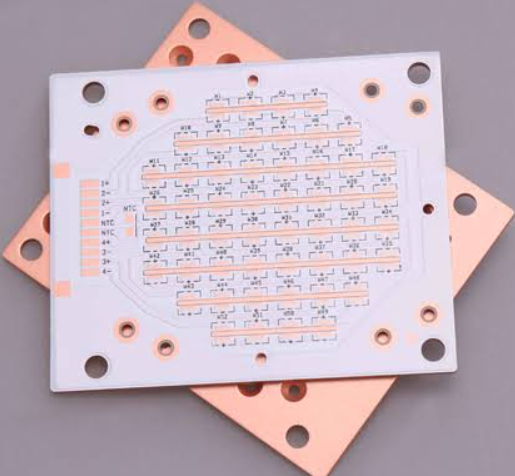
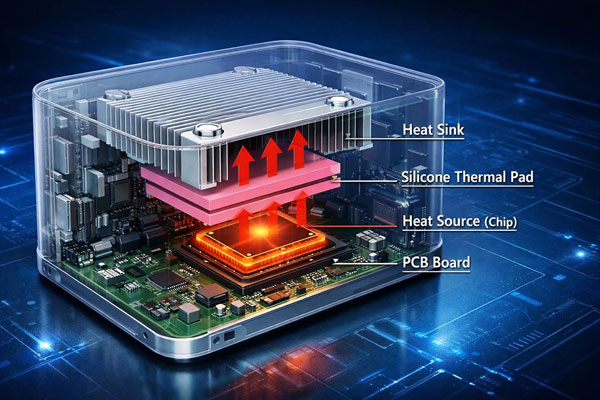
Thermal Conductive Laminate: A Metal Core Alternative The Gap Between FR-4 and Metal Core An ordinary FR-4 board conducts heat at around 0.3 watts per metre kelvin, which is why a hot component on a FR-4 board heats only the copper and the few square millimetres around it. A metal…
PCB Return Path Continuity: The Current Has to Come Back Electronics manufacturing has become a discipline of small details. Solder paste volumes, placement accuracy, temperature profiles and inspection limits all add up to the final result. This guide looks at PCB return path continuity from the perspective of a PCBA…
Protel PCB: A Practical Guide for Beginners What Protel Is Protel is a family of printed circuit board design tools that originated in Australia in the late 1980s and grew into one of the most widely used packages in the industry. For a generation of engineers, learning PCB design meant…